The Architecture of Digital Isolation
Every time a user fills out an online registration form, a silent transaction occurs. Personal contact details are traded for immediate access. This continuous exposure leaves digital identities profoundly vulnerable, transforming private information into a highly tradable commodity. The modern internet operates on a massive web of interconnected databases. A single exposed credential on an obscure website can unlock a cascade of privacy violations across multiple platforms. The most effective defense mechanism against this systemic overexposure relies on architectural isolation.
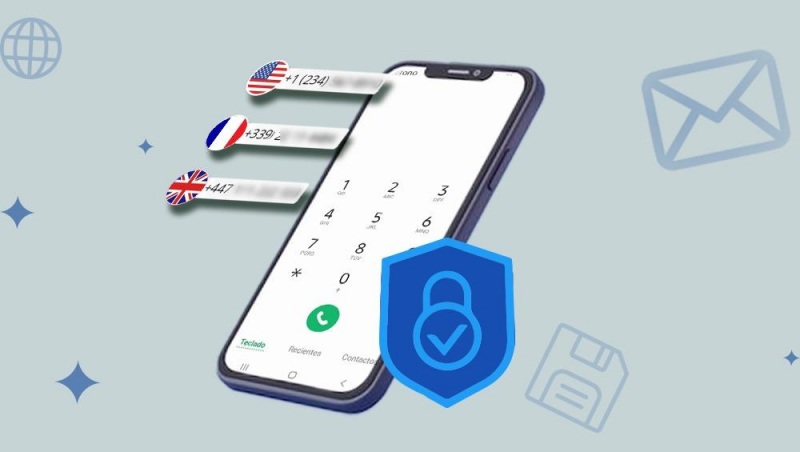
By utilizing a temporary number service, individuals can fulfill mandatory verification prompts without surrendering their actual contact information. This strategic separation acts as a digital firewall. It allows seamless access to the desired platform but completely severs the cord connecting the user's permanent identity to the service provider. If a security breach occurs on that specific platform, the attackers steal a virtual credential. The compromised database yields a dead end. This fundamental shift in strategy moves digital security from a passive state of hope into an active state of defense.
The Silent Machinery of Data Brokers
The modern digital economy is entirely fueled by the relentless aggregation of user behavior. Contact details act as the master keys that link disparate datasets together. When a professional registers for an industry webinar or downloads a whitepaper, that information rarely stays within the confines of the host organization. A shadow economy operates beneath the surface. Data brokers constantly scrape, purchase, and cross-reference these entries to build exhaustive behavioral profiles. These detailed profiles ultimately dictate the flow of targeted advertising, promotional emails, and unsolicited communications that flood personal devices daily.
Consider the intricate mechanics of this ecosystem. A temporary communication tool disrupts this entire supply chain at its origin. It satisfies the immediate logistical requirement of receiving a confirmation code and then simply ceases to exist. The data broker is left holding a disconnected thread. Because the virtual contact point cannot be tied back to a permanent identity, the subsequent marketing campaigns become entirely useless. The tracking mechanism is broken. The professional’s primary inbox and main device remain pristine, completely insulated from the aggressive tactics of the digital marketing industry.
The Expanding Blast Radius of Compromised Data
Unwanted marketing is merely the surface level of the problem. The deeper, more critical threat lies in severe identity compromise. Malicious actors actively leverage exposed contact information to orchestrate highly sophisticated social engineering campaigns. A compromised central communication channel often acts as a direct gateway to secondary financial, medical, and personal applications. The architecture of modern digital security demands that users proactively limit this exposure.
Authoritative cybersecurity bodies, including the Federal Trade Commission, consistently warn organizations and consumers about the severe implications of data overexposure. These institutions emphasize the critical need to minimize the footprint of sensitive information to combat identity theft effectively. Employing isolated verification tools ensures that a data leak at a third-party vendor remains a strictly contained incident. Without a permanent contact anchor, the leaked database yields absolutely nothing actionable for the attackers. The blast radius of the breach is effectively reduced to zero.
Strategic Deployment Across Digital Environments
Implementing virtual communication tools is not an extreme measure reserved for security specialists. It is a fundamental best practice for navigating routine digital interactions. The primary objective is establishing a rigid, impermeable boundary between trusted core services and unverified third-party applications. E-commerce storefronts, local classified boards, and social networks frequently demand verification simply to inflate their internal user metrics or satisfy aggressive compliance algorithms. Fulfilling these demands with permanent details unnecessarily widens the attack surface of the individual.
A strategic defense involves categorizing online interactions based on verifiable trust. Evaluating a new software platform during a trial period does not warrant a permanent entry in a corporate database. Facilitating a transaction on a local marketplace requires communication, but it certainly does not require lifelong visibility to an unknown buyer. By generating distinct, virtual channels for these transient interactions, individuals maintain absolute control over their accessibility. The user dictates the terms of engagement, granting and revoking access instantly.
Neutralizing E-Commerce Surveillance
The global retail sector represents one of the most aggressive environments for automated data harvesting. Vendors meticulously track purchasing habits, geographic locations, and logistics to optimize their predictive revenue models. While receiving delivery notifications is an undeniable logistical necessity, maintaining a permanent, open communication channel with every single vendor is entirely unnecessary.
Take the scenario of purchasing a specialized item from an international distributor. The vendor genuinely needs a method to transmit shipping updates and customs clearances. By deploying a temporary communication channel, the buyer receives all critical alerts precisely when needed. However, once the package arrives safely and the transaction concludes, the channel is permanently deactivated. The vendor is structurally prevented from monetizing the buyer's profile or subjecting them to perpetual remarketing loops. The power dynamic shifts back entirely to the consumer, neutralizing the surveillance architecture of the e-commerce platform.
Applying Zero Trust to Personal Privacy
Enterprise cybersecurity heavily relies on the Zero Trust model. The core philosophy is elegantly simple. No entity, whether internal or external, should ever be trusted by default. Every access request must be strictly verified, and permissions are granted only on an absolute need-to-know basis. This exact philosophy must be translated directly to personal digital privacy. When an obscure mobile application requests a phone verification, the default assumption must be that the application will eventually suffer a security breach.
Providing permanent contact details directly violates Zero Trust by establishing unwarranted, permanent trust with an unknown entity. Virtual verification tools align perfectly with this modern security paradigm. They grant the requesting application the exact minimum level of access required to function without exposing the underlying permanent identity. It is a momentary confirmation signal. Nothing more. This microscopic level of access control empowers users to navigate the modern web without leaving a permanent, trackable wake.
The Art of Digital Compartmentalization
Compartmentalization is a cornerstone of advanced operational security. It dictates that critical assets must be divided into distinct, isolated segments. If one segment is compromised by an external threat, the infection cannot spread to the rest of the system. Applying this logical framework to digital privacy means systematically refusing to use a single master identifier for every online activity.
Utilizing the exact same contact details for healthcare portals, social media accounts, and casual discussion forums creates a massive single point of failure. A vulnerability in the weakest link immediately threatens the most critical assets. Virtual communication solutions provide the exact infrastructure needed to enforce strict compartmentalization. Users can seamlessly dedicate specific, isolated channels for high-risk registrations or temporary digital explorations. This architectural approach drastically reduces the potential impact of any single security incident, ensuring that a compromised forum account never jeopardizes a primary financial login.
Constructing a Resilient Digital Blueprint
Protecting a digital identity requires abandoning the passive hope that platform operators will secure sensitive data. The persistent reality of corporate breaches and aggressive data brokering demands active, robust defensive strategies. Relying on privacy policies and user agreements provides a false sense of security in an ecosystem designed to monetize attention and identity.
By systematically integrating virtual communication protocols into daily digital interactions, individuals actively fortify their perimeters. This methodology effectively neutralizes the tracking mechanisms employed by data aggregators and significantly mitigates the risks of targeted cyber exploitation. The ultimate objective is to construct a resilient digital architecture where permanent details remain strictly confidential, and all public or unverified interactions are routed through secure proxies. Maintaining this strict separation is no longer an optional privacy measure. It is the definitive standard for surviving and operating securely within the modern digital landscape.
Post Comment
Share your thoughts about this article.
Be the first to post a comment!