AI image generators have changed how creators design visuals, marketing graphics, and concept art. Instead of relying only on traditional design software, users can now generate high-quality images from simple text prompts.
One popular tool in this space is Leonardo AI, known for its powerful AI image generation models, game asset creation, and creative tools for artists and designers.
However, Leonardo AI is not always the best choice for every workflow. Some creators look for alternatives that offer different art styles, better customization, easier interfaces, or specialized features such as text rendering or open-source control.
Fortunately, the AI image generation ecosystem now includes several powerful tools that can serve as excellent alternatives.
In this guide, we explore some of the best Leonardo AI alternatives that creators, designers, and marketers can use to generate professional visuals.
Quick List: Top Leonardo AI Alternatives
If you are looking for quick options, here are some of the most popular alternatives to Leonardo AI:
- Midjourney
- Stable Diffusion
- Adobe Firefly
- DALL·E 3
- Ideogram AI
- Playground AI
Each tool offers a different approach to AI image generation, depending on whether you prioritize artistic quality, customization, or simplicity.
1. Midjourney
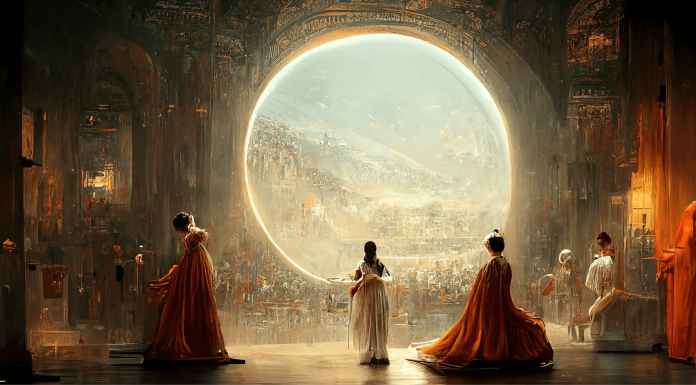
Midjourney is widely recognized for producing highly detailed and cinematic visuals. Many digital artists and concept designers prefer this platform because of its strong artistic output and unique aesthetic style.
Unlike many AI tools that operate through traditional web interfaces, Midjourney is primarily accessed through Discord. Users enter prompts to generate images and can refine them through variations and upscale options.
Because of its advanced rendering quality, Midjourney is commonly used for concept art, fantasy illustrations, and creative design projects.
Key Features
- High quality artistic image generation
- Advanced prompt customization
- Style and lighting control
- Strong community of creators
Best For
Artists, designers, and creators looking for visually striking AI art.
2. Stable Diffusion
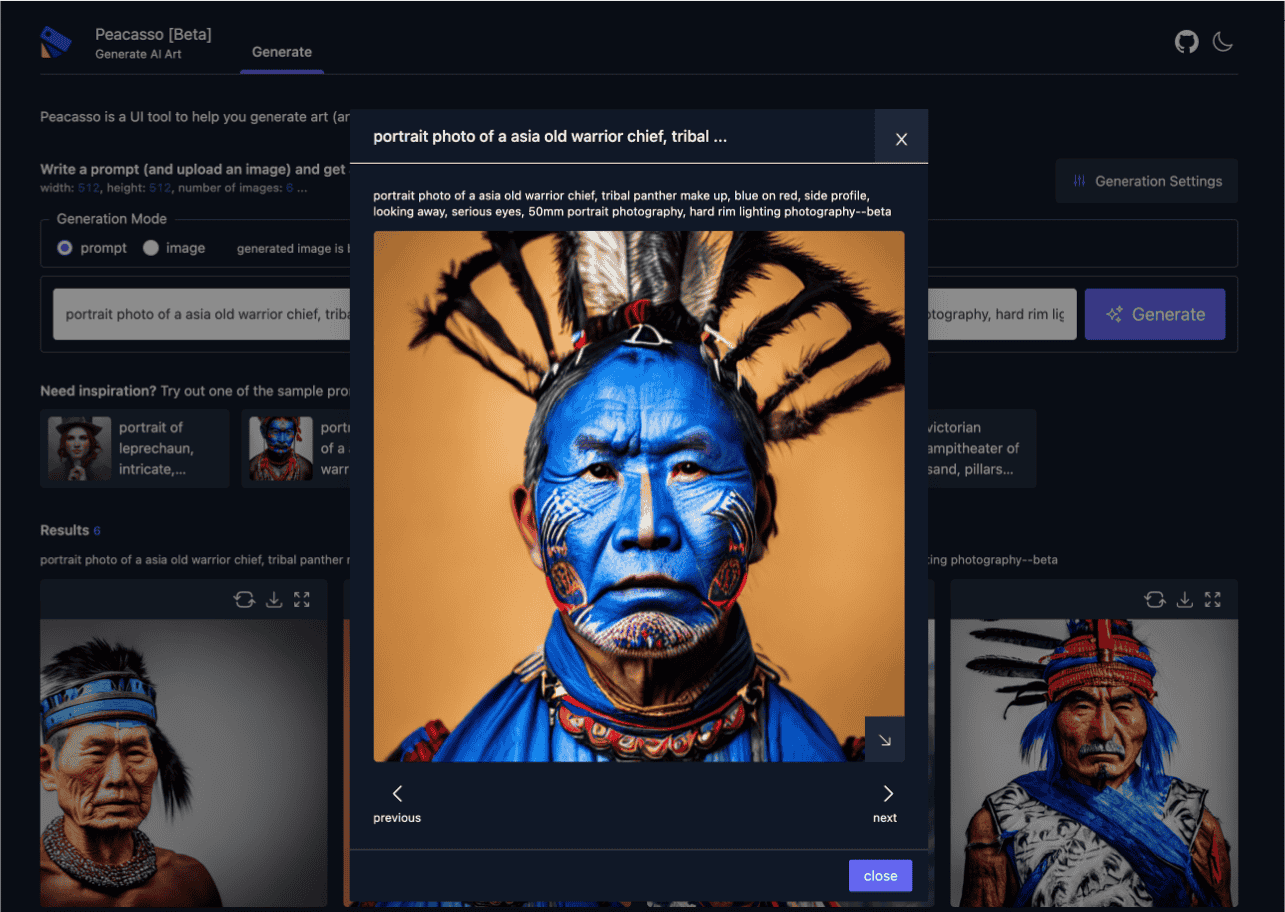
Stable Diffusion is one of the most flexible AI image generation models available. Unlike many closed platforms, Stable Diffusion is open source, allowing users to run it locally and customize their workflows.
This flexibility has made Stable Diffusion extremely popular among developers and technical artists who want full control over their AI image generation pipeline.
Many third-party tools and creative platforms are also built on top of Stable Diffusion.
Key Features
- Open-source AI image model
- Local installation support
- Custom training and models
- Highly customizable generation workflows
Best For
Developers, AI artists, and users who want maximum customization.
3. Adobe Firefly
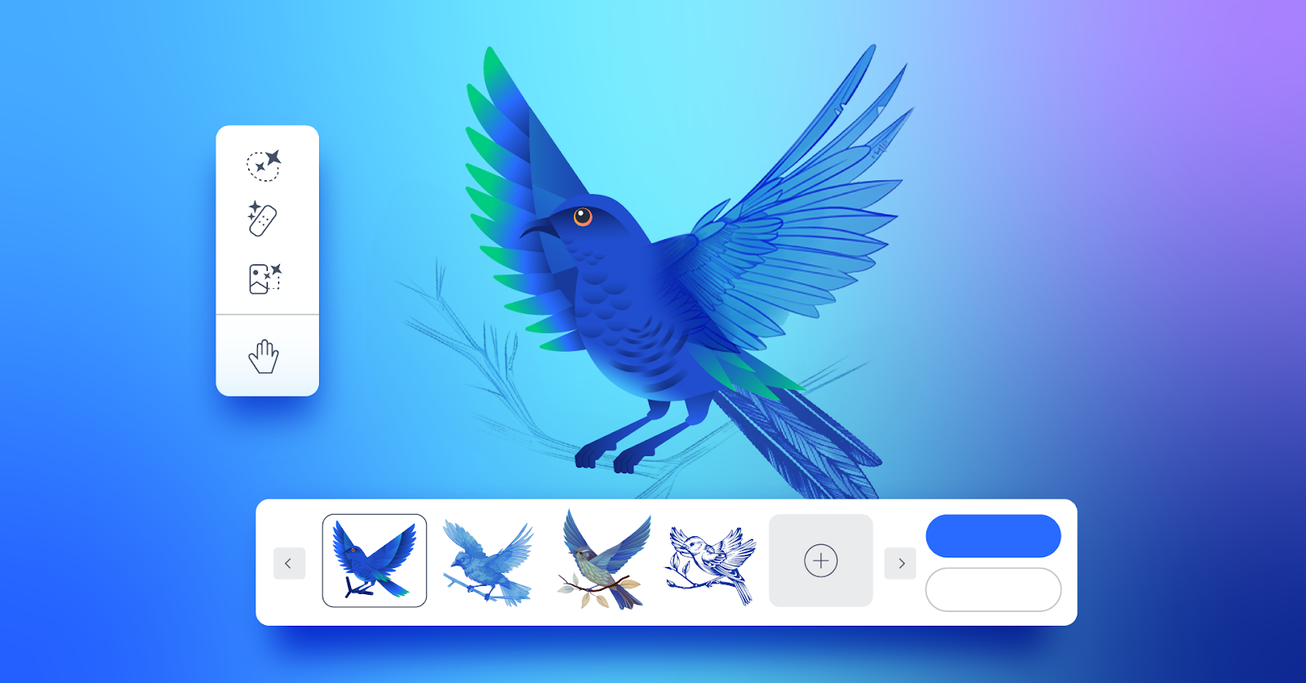
Adobe Firefly is Adobe’s generative AI platform designed for creative professionals. It integrates with popular tools like Photoshop and Illustrator, allowing designers to generate images directly within their existing workflow.
One of Firefly’s most important advantages is its focus on commercial safety. Adobe trains its AI models using licensed datasets, which helps businesses confidently use generated images in commercial projects.
Key Features
- Generative fill and editing tools
- Integration with Adobe Creative Cloud
- Commercially safe training datasets
- Style and lighting adjustments
Best For
Designers and creative teams using the Adobe ecosystem.
4. DALL·E 3

DALL-E 3 is known for its strong understanding of natural language prompts. The model can generate images from detailed descriptions while maintaining visual coherence and accurate scene composition.
One of the advantages of DALL·E 3 is its conversational workflow. Users can refine images through follow-up prompts, making it easier to experiment with different creative ideas.
Because of its intuitive prompt handling, the platform is particularly accessible for beginners.
Key Features
- Natural language prompt understanding
- High quality image generation
- Iterative editing through prompts
- Simple user experience
Best For
Creators who want easy prompt-based image generation.
5. Ideogram AI
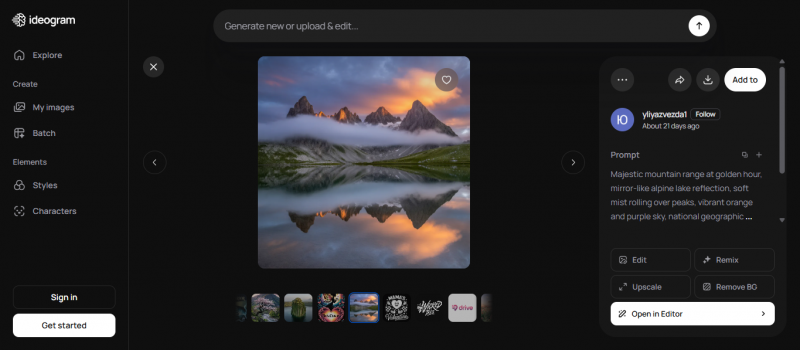
Ideogram AI stands out for a feature many AI image generators struggle with: accurate text inside images.
Traditional AI image models often generate distorted or unreadable typography. Ideogram solves this problem by producing images where text is clear and readable.
This makes the platform particularly useful for marketing graphics, posters, and logo design.
Key Features
- Accurate text generation in images
- Poster and logo creation
- High resolution outputs
- Fast image generation
Best For
Designers creating social media graphics and marketing visuals.
6. Playground AI

Playground AI is a beginner-friendly AI art generator that focuses on accessibility and ease of use.
The platform allows users to generate images, edit visuals, and experiment with different styles without requiring advanced prompt engineering.
Another advantage is that Playground AI offers free image generation with daily limits, making it a good option for creators who want to experiment with AI art tools.
Key Features
- Free AI image generation plan
- Image editing and styling tools
- Commercial use support
- Easy to learn interface
Best For
Beginners exploring AI art generation.
Leonardo AI vs Alternatives
| Feature | Leonardo AI | Midjourney | Stable Diffusion | Adobe Firefly |
|---|---|---|---|---|
| Image Quality | High | Very High | High | High |
| Customization | Medium | Medium | Very High | Medium |
| Ease of Use | Easy | Medium | Technical | Easy |
| Editing Tools | Yes | Limited | Depends on tools | Advanced |
| Best For | Designers | Artists | Developers | Creative professionals |
How to Choose the Right Leonardo AI Alternative
Choosing the right AI image generator depends on your creative goals.
If your focus is artistic visuals, Midjourney is often the preferred option. Developers and advanced users may prefer Stable Diffusion because of its customization capabilities.
Designers working in professional creative workflows may benefit from Adobe Firefly, especially if they already use Adobe tools. Meanwhile, beginners often find DALL·E 3 easier to use due to its natural language prompt system.
Understanding your workflow and creative requirements will help determine the best platform.
Final Thoughts
Leonardo AI is a powerful creative platform, but the AI image generation landscape is expanding rapidly. Today, creators can choose from multiple tools that specialize in different areas such as artistic rendering, customization, and marketing graphics. Platforms like Midjourney and Stable Diffusion focus on creative flexibility and advanced control, while tools like Adobe Firefly and DALL·E 3 prioritize usability and workflow integration.
Exploring these alternatives can help creators find the tool that best fits their creative process and design needs.
Post Comment
Share your thoughts about this article.
Be the first to post a comment!