Residential proxies bring the most value when commercial teams need market-level visibility at scale. Pricing teams, SEO agencies, ad operations teams, travel analysts, social QA teams, and security reviewers use them when location, IP reputation, and session behavior affect the data they collect.
What Makes a Residential Proxy Use Case High Value
A high-value proxy use case has a clear business output: a pricing report, a search visibility dashboard, a campaign evidence file, a fare comparison, or a regional QA record. Teams evaluating https://dataimpulse.com/residential-proxies/ for commercial workflows need location coverage, stable sessions, rotation control, request logs, and usage reporting that connects every check to a market, timestamp, and task.
Scale changes the buying decision fast. A small brand checking 300 pages monthly has different requirements from a pricing team reviewing 80,000 URLs daily across several countries. Professional buyers care about consent-based IP sourcing, city targeting, concurrency, sticky sessions, pool quality, support speed, and predictable cost per gigabyte.
Six Commercial Use Cases That Produce Measurable Value
Residential proxies work best when the company already knows which business decision the data will support. A proxy network supplies regional access and session behavior, while the team still needs clean field definitions, validation samples, and compliance boundaries for handling cyber threats, ad evidence, pricing, local rankings, and market research outputs.
1. Localized Data Access
Localized data access matters when websites change content by country, city, language, currency, or device. A retailer who is looking for availability in Los Angeles, Toronto, London and Sydney requires local availability, not one office-based answer. This principle is true of any cookie banners, shipping notices, pickup details, tax details and regional offers.
2. Regional Campaign Proof
Regional campaign proof matters when brands buy media across several markets and need evidence that each ad appears in the right country, language, publisher environment, and landing path. A campaign running in Mexico, Colombia, Spain, and the United States needs screenshots, URLs, campaign IDs, and placement notes.
The table shows how campaign teams turn regional proxy access into usable verification records:
| Verification task | Proxy setting | Business record |
| Creative review | Country-level IP | Screenshot with campaign name |
| Affiliate path check | Stable session | Redirect chain and landing URL |
| Publisher audit | Residential IP in target region | Placement record with timestamp |
| Geo mismatch review | City or country targeting | Exception note for media team |
3. Ecommerce Price Tracking
Ecommerce price tracking is one of the clearest high-volume proxy cases. A marketplace analytics team tracking 120,000 listings needs base price, coupon price, shipping fee, stock status, seller name, delivery window, and product condition in separate fields.
Residential proxies help pricing teams see local offers where websites adjust prices by region or delivery area. A grocery bundle, sneaker, hotel appliance, or electronics item can show different delivery costs, pickup messages, or seller availability depending on location.
A reliable price program includes checks that protect data quality:
- SKU matching across marketplaces, sellers, and product variants.
- Separate fields for coupon price, shipping fee, and tax estimate.
- Alerts for stock changes, missing listings, and duplicate products.
- Review samples that compare automated output with manual page checks.
- Currency timestamps for cross-border price comparisons.
4. SEO Rank Checks
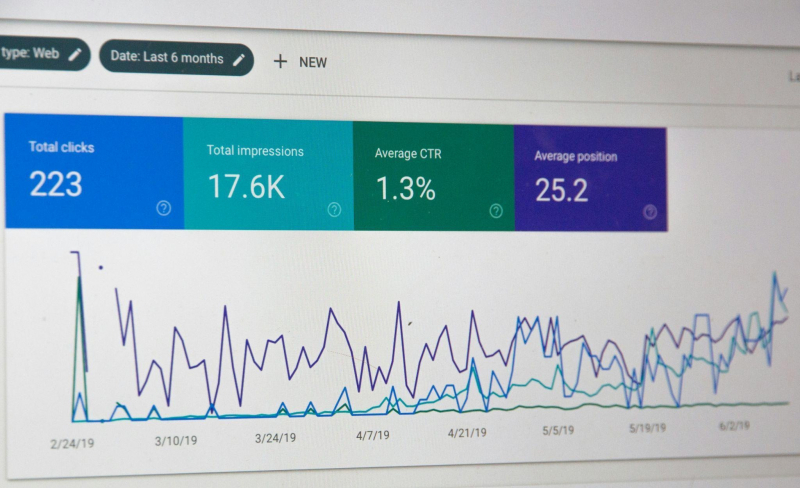
SEO teams use residential proxies when rankings need city-level or country-level evidence. A national ranking view is weak for local services, franchises, clinics, law firms, hotels, and retail chains. Search results change by location, device, language, and visible SERP features.
A commercial SEO setup might check 10,000 keywords each week across 40 cities and three device profiles. The output needs query, city, timestamp, language, device, rank, landing page, map result, shopping unit, image result, or AI summary visibility.
5. Social Media Testing

For businesses handling regional campaigns, app flows, partnerships with creators, and localized landing pages, social media testing is crucial. With 5.24 billion active social media user identities worldwide reported by DataReportal in early 2025, it is easy to understand why social platforms are considered a big commercial environment by brands.
6. Travel Fare Research
Route, market, currency, point of sale, device, availability, and more are all factors in travel fare research. IATA reports that full-year international traffic was up 0.5% from last year's 2019 peak in 2024, which is a return to previously large travel demand. Residential proxies can be used by travel companies for comparing public fare displays from various areas, such as flight routes, hotel rates, car rental and vacation packages.
Where Residential Proxies Create the Strongest Return
Residential proxies work best when location changes the business answer, from campaign checks and ecommerce pricing to local SEO, social QA, travel fares, and regional security review. Professional buyers evaluate IP reputation, geo-targeting, sticky sessions, reporting, API stability, support, and usage logs because small setup errors create bad records at scale. The best outcomes come from a clear scope and a defined commercial goal.
Post Comment
Share your thoughts about this article.
Be the first to post a comment!