All gamers are familiar with a platform called Metacritic, where gaming industry experts award scores to video games. There has long been debate within the gaming community as to whether the scores awarded there are fair. A good example is Cyberpunk 2077, which, upon release, received a score of 91 out of 100 on Metacritic, whilst millions of PlayStation 4 and Xbox One users were left with a product that constantly crashed, lagged and ran at 15 frames per second.
In the players’ view, the scores given by gaming journalists do not reflect the actual quality of the product on the day of release. The final review score is determined in isolated laboratory conditions, using top-of-the-range hardware that is far superior to what most ordinary gamers have. In this article, we’ll examine whether the ratings on Metacritic and similar platforms can really be trusted.
The Illusion of Day-One Perfection and the Reviewer's Bubble
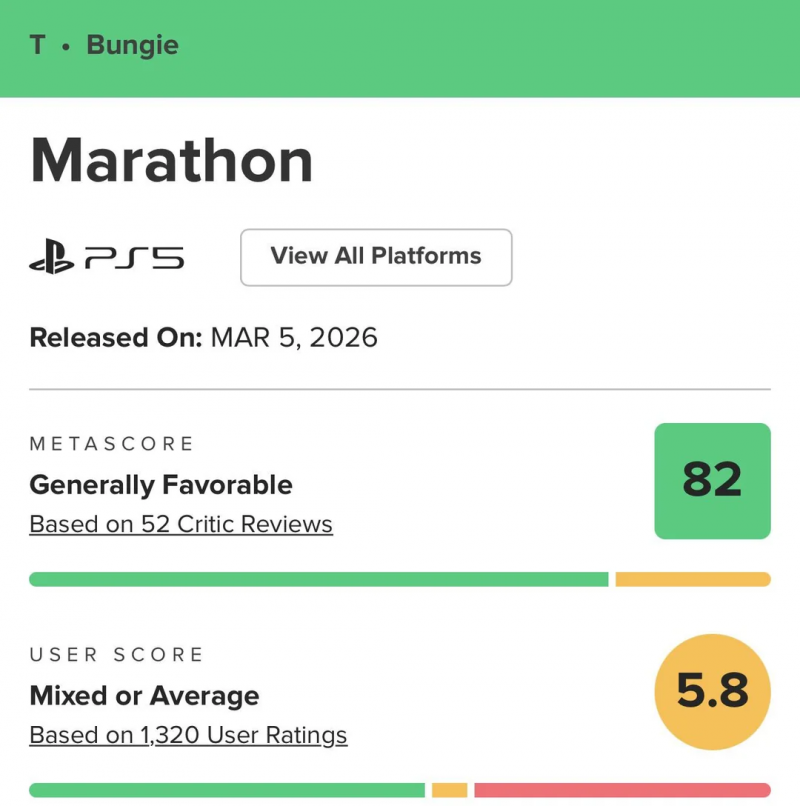
Modern game publishers operate in such a way as to conceal a product’s technical flaws until pre-orders open. Journalists from major publications such as IGN or GameSpot are granted access to games one or two weeks before the official release, subject to strict embargo conditions. Reviews are based on a special press build, in which developers often disable Denuvo protection, which significantly improves CPU performance. Furthermore, most reviewers rush through the game without delving into the details, trying to meet their deadlines.
Technical analysis by gaming specialists regularly shows that new releases on the first day almost always have a large number of bugs, and the first patches to fix them rarely address critical optimization errors. However, critics in their reviews often write in advance: "We were promised this would be fixed by release." As a result, a distorted rating is formed, which encourages pre-orders but does not correspond to the data provided by the developers.
This is particularly true of major new releases, such as the aforementioned Cyberpunk 2077 or, for example, most of the new instalments in the Assassin’s Creed series. When millions of users connect to the servers at the same time, the infrastructure crashes and the game simply freezes and displays errors. Professional analysis of the gaming industry shows that objective video game reviews should be based solely on the actual results of comprehensive testing of a new release. Whereas Metacritic scores are often merely a snapshot of marketing pressure. This is precisely why esports disciplines and major multiplayer projects are judged far more harshly by the community than by traditional media.
Corporate Embargoes and the Manipulation of Metascores
Publishers have learnt to influence Metacritic’s review system through cleverly worded non-disclosure agreements (NDAs). A striking example was the situation surrounding the release of Arkane Studios’ tactical shooter Redfall in May 2023. Bethesda Softworks banned the publication of reviews right up until the moment of the game’s official release, by which time it was too late to cancel pre-orders on Steam. Journalists were aware of the game’s bugs but remained silent due to legal restrictions. According to reports from gaming platform portals, major studios often offer financial incentives to ensure high Metacritic scores, which has sparked negative reactions within the gaming community.
In addition to the direct prohibition on publishing reviews, companies practice selective key distribution. Bloggers and publications known for their harsh criticism simply do not receive a copy of the game in advance. There are plenty of such examples when a particular gaming portal ends up on the blacklist of major publishers for disclosing internal industry issues. When only loyal authors have the right to evaluate a game, the final rating automatically soars. Players see the green icon on Metacritic, buy the product, and encounter a game that does not match the stated specifications and advertising promises. Many believe that this is direct market manipulation that devalues classic gaming journalism.
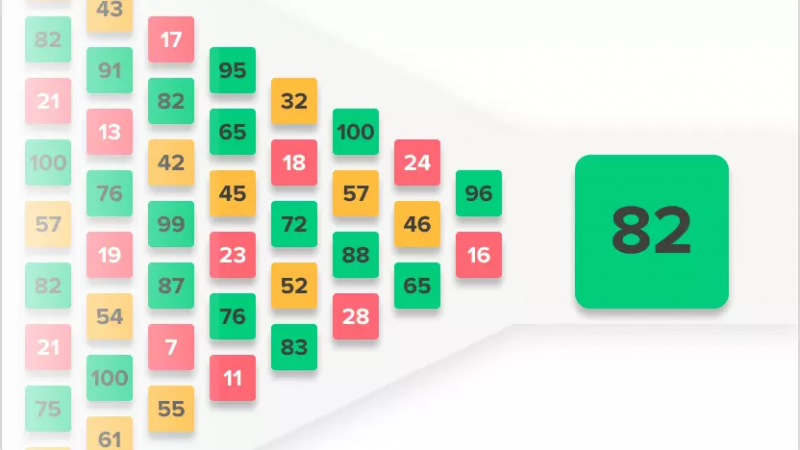
The Rise of Steam Reviews and Community Backlash as the New Standard
A loss of trust in official media amongst a significant number of players has meant that the reviews section on Steam has become the main tool for assessing quality. Unlike reviews on Metacritic, users must actually launch the game on Steam, so they are likely to provide an honest review. Furthermore, Steam displays how much time a player has spent in the game. So the review score you see on the game’s official page really does matter.
Official statistics from the Steam platform confirm that games with an ‘Overwhelmingly Positive’ rating demonstrate significantly better online stability than titles with high scores from critics but ‘mixed’ player reviews. The community pays attention to details that professional reviewers overlook: the user-friendliness of the interface, response times, the fairness of the monetisation system, and the frequency of updates. Gamers have created their own rating system, where the actual gaming experience carries far more weight than flowery praise in well-known magazines.
How Live-Service Games Weaponize Early Reviews Against Consumers
Aside from general titles, the gap between critics’ reviews and actual user ratings is also evident in the game-as-a-service segment. Projects such as Suicide Squad: Kill the Justice League or the older Red Dead Redemption 2 are designed to offer hundreds of hours of gameplay, yet reviews are written based on short sessions in a controlled environment. With the release of GTA 6 expected this year, this issue is becoming increasingly relevant. The press assesses the first few hours of the story, when it still seems interesting and the grinding hasn’t had time to become tedious. Ordinary players, upon release, are faced with a complete lack of endgame content and repetitive quests that journalists simply didn’t showcase during their tests.
It is also worth mentioning advertising and monetization of new releases. Publishers deliberately disable monetization during press previews. Critics get pure gameplay without needing to pay for skins or progression boosters. However, on the release day or a week after, developers add microtransactions in almost every patch. On one hand, this allows the game to generate revenue, but on the other, it hinders players who are focused solely on the gameplay. So when the Metacritic rating is already formed, the game has received high scores, and the final consumer gets the product, it may differ significantly from what was described in the first reviews.
Conclusion
Putting all the facts together, it is fair to say that the current system for rating video games on sites such as Metacritic is entirely irrational. The discrepancy between professional reviews and players’ actual experiences in the first few days after release has become a common feature of the games industry. Critics, constrained by strict corporate embargoes, tight deadlines and ideal technical conditions, are increasingly issuing ratings that do not reflect the actual quality of the product. Players, forced to buy technically unpolished titles crammed with microtransactions, are rightly shifting their trust to independent platforms and direct feedback from fellow players on Steam or Reddit.
To make the video game rating system more transparent, we need to move away from early reviews based on limited press builds and switch to reviewing games exclusively once they have been fully released.
Post Comment
Share your thoughts about this article.
Be the first to post a comment!