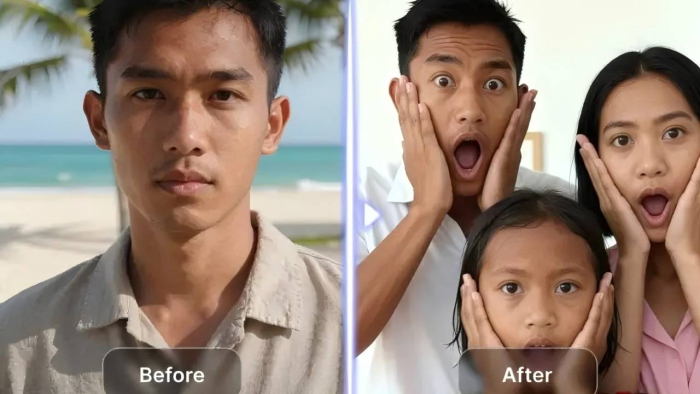
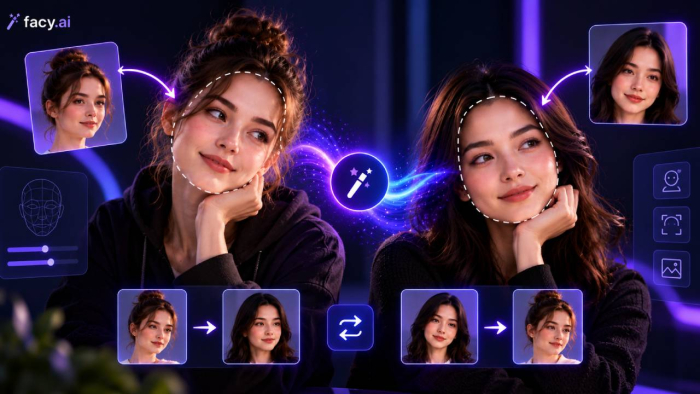
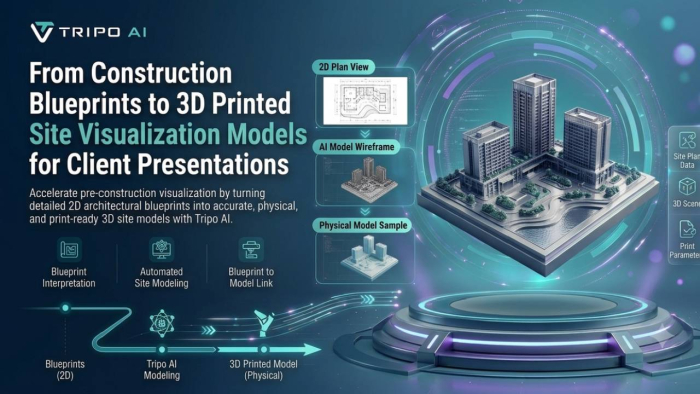
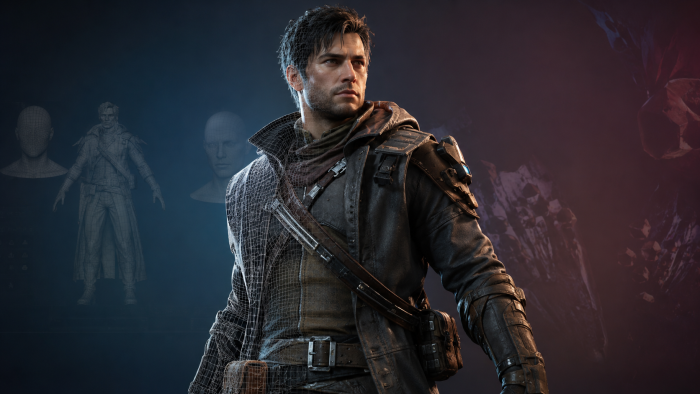
AI avatar creation crossed a clear line in 2025 and 2026. Tasks that once required a studio, an actor, or a dedicated 3D artist now ship from a phone camera, a text script, or a single uploaded selfie. The category split into specialists because each output type has its own technical demands, and the table below shows how sharply the economics shifted across the four main avatar jobs.
| Avatar category | Old production path | 2026 AI path | Category specialist |
|---|---|---|---|
| Professional headshots | Studio session, around 200 USD and half a day | Six smartphone selfies, around 30 minutes | Picofme |
| Talking video presenters | Actor plus studio plus a week of post-production | Text script to finished video in roughly 15 minutes | Synthesia |
| 3D game and VR characters | 3D artist building rigged models from scratch | One selfie generating a 3D model usable across 600-plus apps | Ready Player Me |
| Mixed graphics with avatar use | Separate subscriptions for art, logos, and avatar tools | One subscription covering avatars plus general AI graphics | Hotpot AI |
Avatar creation became one of the fastest-growing AI categories through 2025 and into 2026. The reasons are practical. Professional headshots once cost two hundred dollars and a half-day at a studio; AI tools now produce comparable results from six smartphone selfies in under an hour. Corporate training videos that used to require an actor, a studio, and a week of post-production now ship from a text script in fifteen minutes. Game characters that demanded a 3D artist now spawn from a phone camera and work across hundreds of compatible games immediately.
The catch is that no single AI avatar tool covers every use case well. Tools that excel at photorealistic LinkedIn headshots cannot produce a talking presenter video. Tools that generate 3D characters for the metaverse cannot match the polish of a dedicated headshot generator. The right pick depends entirely on the avatar output needed, which is why this roundup is organized by category rather than by overall ranking.
Four tools cover the four main avatar categories in 2026: Picofme for photorealistic headshots, Hotpot AI for multi-purpose graphics that include avatars, Synthesia for talking video avatars used in training and marketing, and Ready Player Me for 3D avatars used across games and the metaverse. Each tool is profiled in detail below, with what it does well, where it falls short, and the use cases it serves best.
Quick Verdict
Picofme is the strongest pick for AI headshots, producing studio-quality professional photos from six selfies in roughly thirty minutes. Hotpot AI is the budget choice for anyone needing avatar generation alongside general AI graphics work like logos, illustrations, and art. Synthesia leads the talking video avatar category with 140-plus language support and a free Basic tier that includes 10 minutes of monthly video output. Ready Player Me is the dominant 3D avatar platform, used across 600-plus compatible apps and games, and free for end users with no cost barrier to entry.
Specifications at a glance
| Picofme | Hotpot AI | Synthesia | Ready Player Me | |
|---|---|---|---|---|
| Output type | Photo headshots | Mixed graphics | Talking videos | 3D avatars |
| Free tier | Limited generations | Daily credits | 10 min / month | Free for users |
| Entry paid plan | ~$35 one-time | ~$7.99 / month | $18 / mo annual | Free for users |
| Setup time | ~30 minutes | 5 minutes | 10 minutes | 3 minutes |
| Custom avatar input | 6+ selfies | Prompt or photo | Photo plus voice | Selfie |
| Commercial use | Paid tier | Paid tier | Paid tier | Paid for devs |
| Best dimension | Realism | Versatility | Video | Interoperability |
The Four Best AI Tools for Avatar Creation
Each tool profile below covers what the platform does well, where it falls short, and the specific use cases it serves best. Profiles are listed by category rather than by ranking, since each tool wins in its own avatar sub-category.
PHOTOREALISTIC HEADSHOTS AI headshot generator that turns six selfies into studio-quality profile photos. | |||
| |||
| |||
| ★ BEST FOR: Professionals refreshing LinkedIn, CV, or company website headshots without booking a studio session |
MULTI-PURPOSE AI GRAPHICS All-purpose AI graphics platform with avatar generation as one of several core features. | |||
| |||
| |||
| ★ BEST FOR: Designers and small business owners who need avatars plus general AI graphics in one tool |
TALKING VIDEO AVATARS Synthesia Text-to-video platform with AI presenter avatars that speak across 140-plus languages. | |||
| |||
| |||
| ★ BEST FOR: Enterprises producing training videos, marketing teams creating multilingual content, and L&D departments scaling video production |
3D AVATARS FOR GAMES AND VR Ready Player Me Cross-platform 3D avatar creator used across 600-plus compatible apps and games. | |||
| |||
| |||
| ★ BEST FOR: Gamers building a portable virtual identity, VR users joining metaverse platforms, and developers integrating avatars into games or apps |
Pricing Compared
The four tools span a wide pricing range driven by their different output complexity. 3D avatar creation and selfie-to-avatar workflows tend to be free or low-cost. Photo headshot generation runs around $35 for a one-time package. AI video avatar generation lives in subscription territory, with serious monthly costs once moving past the free tier.
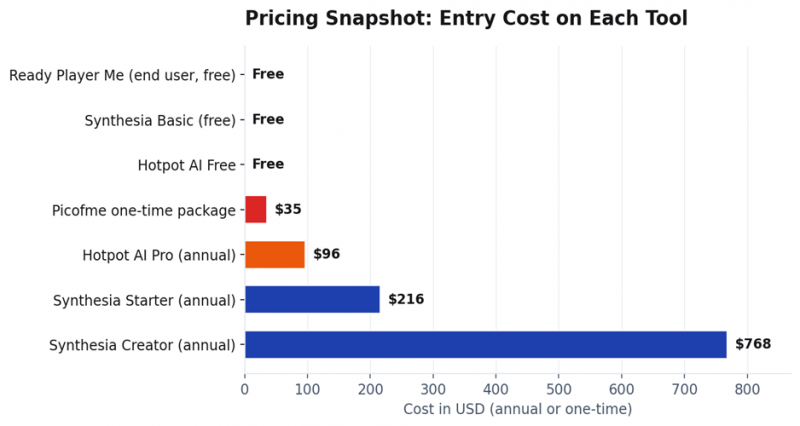
Three of the four tools have genuinely useful free tiers. Ready Player Me is fully free for end users with no functional restriction. Hotpot AI Free covers light avatar generation with daily credit caps. Synthesia Basic includes 10 minutes of monthly video output that is functional for testing the platform. Picofme is the only tool here that effectively requires a paid package for usable output, though its one-time pricing avoids ongoing subscription commitment.
Setup time from signup to first usable avatar
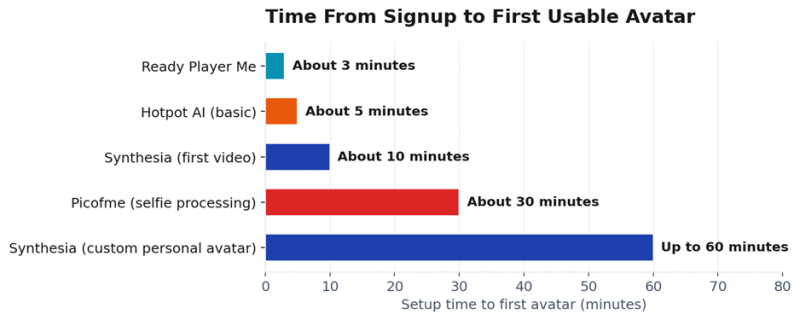
Setup speed varies significantly across the tools. Ready Player Me reaches a usable 3D avatar in roughly three minutes via its selfie upload. Hotpot AI generates avatar prompts in around five minutes for typical workflows. Synthesia's first stock-avatar video can ship in ten minutes from script paste to render, though custom personal avatars take closer to an hour. Picofme's selfie processing takes around thirty minutes to produce a full set of trained headshots.
Best Fit by Use Case
Recommended platform depends heavily on the specific avatar use case. The grouped chart below maps each tool's fit across five common avatar needs, with each tool dominating its specialty.
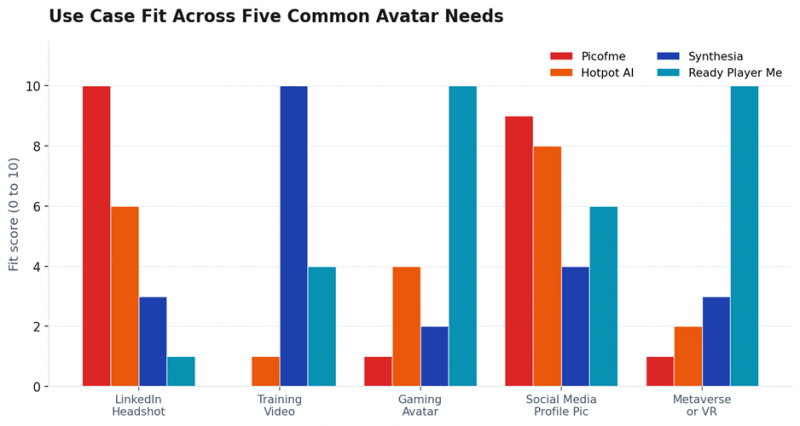
The pattern is clean. Picofme dominates LinkedIn and corporate headshots where photorealism matters most. Synthesia owns the training video category where talking presenters carry the narrative. Ready Player Me wins gaming and metaverse use cases on cross-platform interoperability. Social media profile pictures are the most competitive category since stylized output, realistic photos, and 3D-rendered avatars all work depending on personal preference. Hotpot AI plays the utility role across multiple categories without dominating any one of them.
| Use case | Best fit | Reasoning |
|---|---|---|
| LinkedIn or corporate profile picture | Picofme | Photorealistic headshots from a few selfies |
| Internal training video for employees | Synthesia | Talking presenter avatars with multilingual support |
| 3D character for a Unity or VR game | Ready Player Me | Free 3D avatar that works across 600+ apps |
| Mixed creative graphics including avatar art | Hotpot AI | Multi-purpose with avatars, logos, and art in one tool |
| VRChat or metaverse identity | Ready Player Me | Cross-platform compatibility is the headline feature |
| Marketing video starring a brand persona | Synthesia | Personal avatar feature creates a recurring presenter |
| Quick social media profile refresh | Picofme | Fastest path to a polished new profile picture |
| Budget under 10 dollars per month | Hotpot AI | Lowest-cost paid tier with broad capability |
| Concept art for a game character | Hotpot AI | Style flexibility beats other tools for non-realistic looks |
Final Verdict
The four tools in this roundup do not compete with each other in any practical sense. Each one wins a distinct avatar sub-category and trying to substitute one for another leads to poor results. Anyone evaluating AI avatar tools should start by naming the exact output needed (photo headshot, talking video, 3D character, or general graphics with avatar capability) and then pick the specialist for that category.
Picofme leads on photorealistic LinkedIn headshots and remains the right pick for anyone refreshing professional profile photos without booking a studio session. Synthesia is the only serious tool for talking video avatars at scale and earns its premium pricing for enterprise training and marketing workflows. Ready Player Me is the standard for 3D metaverse avatars and is free for end users with no cost barrier. Hotpot AI fills the role of multi-purpose AI graphics platform with avatar capability included, sitting at the lowest paid price point among the four tools at $7.99 per month.
There is no single best AI avatar tool. There is the best tool for each avatar category. Picofme dominates photorealistic headshots. Synthesia is the only serious option for talking video avatars. Ready Player Me owns the 3D metaverse category and is free for end users. Hotpot AI is the value pick for anyone who needs avatars plus general AI graphics in one subscription. Picking the right tool starts with naming the exact avatar output needed, not chasing a single all-purpose platform. |
Post Comment
Share your thoughts about this article.
Be the first to post a comment!