Organizations rely on security ratings platforms to streamline vendor risk management and prioritize third-party relationships. The right platform can help your team make informed decisions by providing timely, comparable cybersecurity signals. Understanding how these platforms work and what to look for ensures you choose a solution that truly supports your risk management goals.
Vendor risk management increasingly requires rapid, comparable insights into suppliers’ cybersecurity posture as the supply chain grows more complex. Recognizing which aspects of security ratings platforms to scrutinize can help you distinguish meaningful insights from surface-level scores. SecurityScorecard is a commonly cited example of how organizations evaluate these tools for both immediate signals and ongoing monitoring. Clear criteria and robust processes are essential to ensuring you leverage ratings to drive real risk reduction in your vendor ecosystem.
Understanding what security platforms measure and report
A security rating platform gathers external-facing information about vendors, such as open ports, patching behaviors, and evidence of potential compromise. These measurements are intended to provide a snapshot of the overall security hygiene of an organization from an external perspective.
It is important to recognize that these platforms do not offer internal insights into processes, employee training, or technical safeguards that are unobservable from the outside. Most commonly, security ratings reflect observable risk factors that can signal either strong or weak cybersecurity hygiene.
Some platforms rely on point-in-time assessments, capturing a vendor’s security posture at a specific moment. Others provide continuously updated signals, giving you more dynamic insight into shifting risks over time.
Deciding between these models depends on whether your organization requires frequent monitoring of your vendor base or periodic review, with many opting for continuous updates to catch rapid changes in threat exposure. The methodology behind what is monitored, as well as how often it is refreshed, directly impacts the reliability of the rating you see.
Critical questions to assess platform methodology and coverage
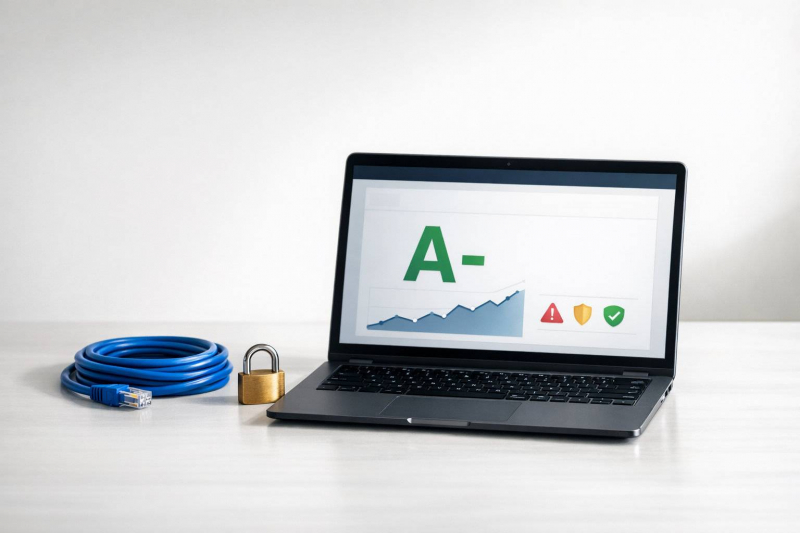
Transparency in how ratings are calculated is vital, as it enables you to interpret scores accurately and compare vendors confidently. Platforms should clearly define which factors influence ratings, how each factor is weighted, and maintain changelogs so you can track any shifts in scoring methodology.
Data quality and breadth of coverage are equally important. A strong platform draws from varied, reputable sources and refreshes its measurements frequently. False positives should be managed through verification and appropriate adjustment to maintain trust in ratings.
Context, explainability, and evidence for alerts are crucial. You should be able to trace a given score to specific observed weaknesses and receive guidance on potential remediation steps. Additionally, issue attribution helps you work with vendors to resolve flagged risks efficiently.
As organizations often need to manage thousands of suppliers, the ability to segment, prioritize, and monitor large ecosystems at scale is a defining capability. Reporting should include dashboards for both operational teams and senior leadership, making compliance oversight and risk governance more manageable.
Workflow integration, process fit, and common pitfalls
Security ratings tools should integrate smoothly with procurement, GRC, ITSM, IAM, and ticketing systems to reduce manual work and ensure actionable insights feed directly into established workflows. Look for support around assessments, questionnaires, exception handling, and creation of robust audit trails.
Platforms offering reporting aligned with frameworks, such as NIST or ISO, add value when mapping findings to compliance requirements, provided they do not overstate compliance with those frameworks. Visual dashboards assist risk leaders in communicating findings to stakeholders.
Treating ratings as definitive proof of strong or weak security is a common error, as scores reflect only what is externally visible and may not capture the full risk picture. You should always consider trend data and supporting evidence rather than relying solely on a single metric when making decisions.
Establishing thoughtful thresholds and considering the criticality of a vendor’s role helps put scores in proper perspective. This encourages a collaborative approach to vendor risk, where scores open dialogue rather than become barriers.
Selection process for maximizing security platform value
Begin by defining your use cases, such as onboarding, continuous monitoring, or incident response triage. Scenarios determine the platform features and frequency of updates that matter most for your needs.
Piloting with a representative cross-section of vendors allows you to compare how different ratings align with your organization’s real-world risk assessments. Observing platform outputs alongside vendor-provided documentation can surface discrepancies or blind spots.
Finally, setting clear internal governance for how security ratings platforms influence risk decisions helps prevent over-reliance on scores and ensures integration with other due diligence processes. Over time, a strong process can deliver measurable risk reduction, enable clearer conversations with vendors, and accelerate critical security prioritization.
Post Comment
Share your thoughts about this article.
Be the first to post a comment!