A wave of concern is sweeping through the digital creator community as YouTube unveils its latest artificial intelligence tool to tackle the explosive surge in deepfake content. Promoted as a step forward in safeguarding platform integrity, the AI-powered system is designed to identify and flag manipulated videos featuring synthesized likenesses of public figures, celebrities, and everyday users.
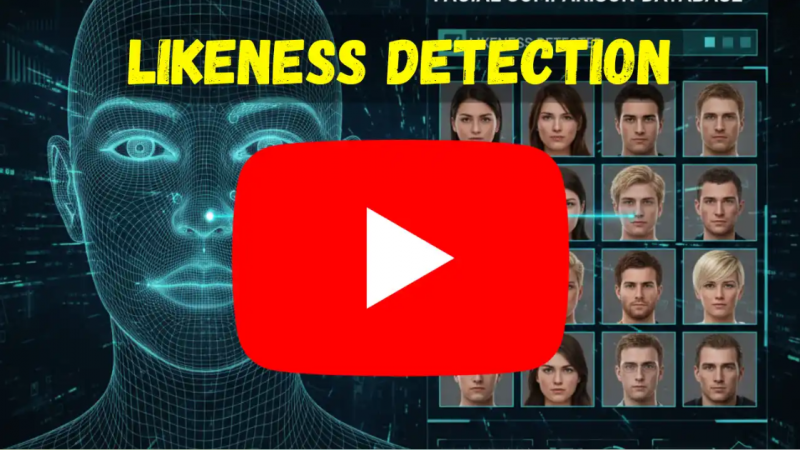
However, far from offering straightforward reassurance, the move is igniting debate across tech and creative circles. The heart of the reaction? YouTube’s deepfake tracker doesn’t just analyze videos for manipulation, it reportedly relies on "biometric data," parsed from faces and voices, as a foundation for flagging potential violations.
For creators, this new era of surveillance feels like a double-edged sword. Many now worry their personal biometric information could be swept up, cataloged, or even stored indefinitely. Experts warn that amassing such sensitive data opens the door to new privacy risks, especially if stockpiled by global tech giants with little regulatory oversight.
The tool’s launch comes as deepfake content proliferates at breakneck speed. In the past year alone, reports show a dramatic uptick in AI-generated impersonations impacting politicians, musicians, influencers, and business leaders. Some estimates suggest deepfake-related scams and misinformation campaigns have cost individuals and brands millions, underscoring the urgency of technological intervention.
But as YouTube accelerates its AI initiatives, creators are raising questions about transparency. How exactly is their biometric data being processed? Who gets access? How long is it stored, and can users opt out? Advocacy groups are calling for clearer consent policies and robust oversight mechanisms to prevent abuse.
Industry analysts point out that while AI detection tools are essential to stem the tide of synthetic media, they must strike a careful balance. Overreliance on invasive tracking, without robust privacy protections, could undermine trust and chill creative expression on one of the world’s largest digital stages.
YouTube, for its part, maintains that biometric-based screening is a necessary evolution in safeguarding authenticity. Yet as the platform wrestles with the flood of AI-generated content, the challenge will be finding a solution that protects users from both digital deception and corporate overreach.
In the months ahead, as regulatory scrutiny intensifies and creators demand clarity, the debate over YouTube’s AI deepfake tracker is likely to intensify with implications that may ripple well beyond the platform itself.
Post Comment
Be the first to post comment!