At first glance, the question seems simple, but it opens a fascinating window into how we measure temperature, why different parts of the world use different systems, and how these systems relate at extreme temperatures.
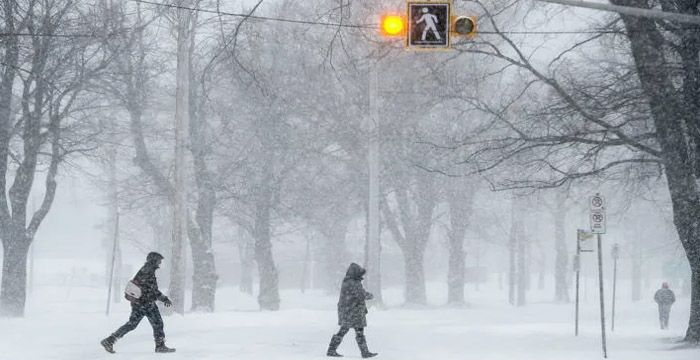
The answer may surprise you:
Minus 40°C is exactly equal to minus 40°F.
That’s right , it’s the one point where the two temperature scales meet.
Let’s unpack why this happens and what else you should know about Celsius vs Fahrenheit.
Celsius vs Fahrenheit: What’s the Difference?
What Is the Celsius Scale?
Origin: Developed in 1742 by Swedish astronomer Anders Celsius.
Definition: 0°C is the freezing point of water, 100°C is the boiling point (at sea level).
Used In: Most of the world — Europe, Asia, Africa, Australia, and nearly all scientific work.
Conversion Formula:
°F = (°C × 9/5) + 32
What Is the Fahrenheit Scale?
Origin: Created in 1724 by German physicist Daniel Gabriel Fahrenheit.
Definition: 32°F is the freezing point of water, and 212°F is the boiling point.
Used In: Primarily the United States, some Caribbean nations, and their territories.
Conversion Formula:
°C = (°F − 32) × 5/9
So, Which Is Colder: -40°C or -40°F?
They are the same temperature.
This is a unique point on the scale where:
-40°C × 9/5 + 32 = -40°F
It's the only temperature where Celsius and Fahrenheit readings match.
Why Does This Confuse People?
It’s mainly because:
- Fahrenheit numbers are larger for typical room and outdoor temperatures (e.g., 70°F ≈, 21°C), which makes people assume a direct scale-up.
- Most people never encounter extreme cold, so they don’t often see the overlap point.
- In educational systems where only one scale is taught, there’s little intuitive comparison.
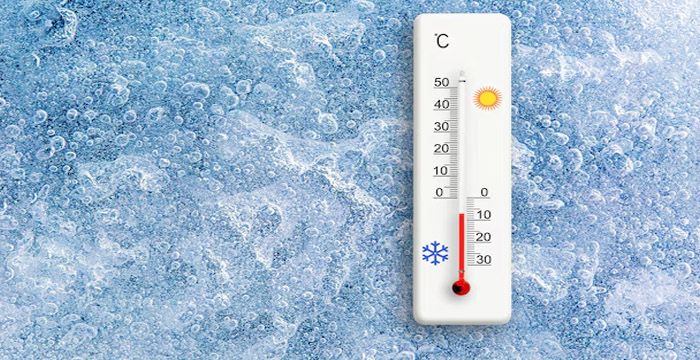
Real-World Reference Points
| Condition | Celsius | Fahrenheit |
|---|---|---|
| Water freezes | 0°C | 32°F |
| Room temperature | ~22°C | ~72°F |
| Human body | ~37°C | ~98.6°F |
| Water boils | 100°C | 212°F |
| Equal point | −40°C | −40°F |
Quick Celsius to Fahrenheit Reference
| Celsius | Fahrenheit |
|---|---|
| −50°C | −58°F |
| −40°C | −40°F |
| −30°C | −22°F |
| −20°C | −4°F |
| −10°C | 14°F |
| 0°C | 32°F |
This table helps visualize how the scales behave as temperatures fall below freezing.
Where on Earth Has It Hit -40?
Places like Siberia, northern Canada, Greenland, and parts of Scandinavia regularly dip to -40 or lower in winter. For instance:
- Sweden recorded -43°C in February 2021
- Yukon, Canada, and Siberia also routinely experience these levels.
In such areas, both Celsius and Fahrenheit users shiver equally, literally!
How Cold Feels at -40
Whether it’s -40°C or -40°F, the result is the same:

- Metal sticks to skin.
- Vehicles may not start.
- Skin freezes in minutes without protection.
- Wind chill makes it even worse.
At this temperature, your eyelashes may freeze, and it’s considered dangerously cold regardless of the scale.
Which Countries Use Which?
| Region/Country | Scale Used |
| United States | Fahrenheit |
| Canada | Celsius (since 1970s) |
| United Kingdom | Celsius (though older generations may still reference °F) |
| India, Australia, most of Europe | Celsius |
| Scientific Community | Celsius and Kelvin |
Celsius or Fahrenheit: Which Is Colder at -40?
Both are the same. This is the only point where the two scales align.
Fun Fact: Coldest Temperatures on Earth
- Vostok Station, Antarctica, recorded:
-89.2°C (−128.6°F) in 1983
That’s more than double the coldness of -40°, and a real-world reminder of extreme environments.
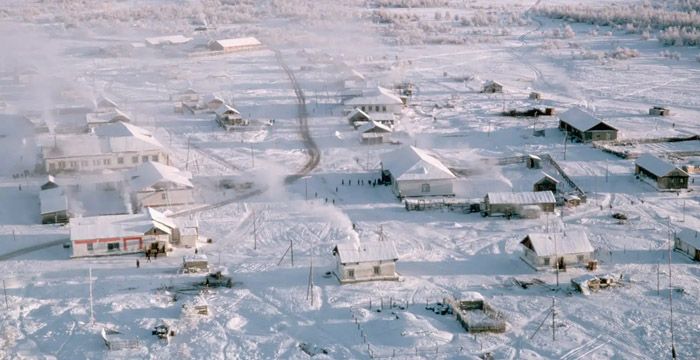
How -40°C Feels on the Body
Numbers tell part of the story — but what does extreme cold actually feel like? Here’s a quick look at how the body reacts at different subzero temperatures:
| Temp (°C/°F) | Human Impact |
|---|---|
| 0°C / 32°F | Breath visible; fingers stiffen in minutes. |
| -10°C / 14°F | Skin stings; frostnip risk with exposure. |
| -20°C / -4°F | Numbness sets in; frostbite risk grows fast. |
| -30°C / -22°F | Eyelashes freeze; unprotected skin freezes in 10 mins. |
| -40°C / -40°F | Skin freezes in under 2 mins; metal sticks to skin. |
| -60°C / -76°F | Breathing is painful; exposed eyes may freeze. |
Even without wind chill, these temperatures are dangerous. At -40, both Celsius and Fahrenheit users face the same brutal truth: unprotected exposure can be life-threatening.
Conclusion
−40°C and −40°F are identical.
There is no colder option—this is the one temperature where both scales converge.
While Celsius and Fahrenheit differ almost everywhere else, −40 represents a rare moment of agreement between the two systems. More importantly, it represents extreme, dangerous cold that demands respect regardless of how it’s measured.
No matter the scale, −40 isn’t just a number, it’s a serious environmental threshold.
Frequently Asked Questions
Q: Is -40°F colder than -40°C?
A: No, they are exactly equal. It’s the only point where the two temperature scales intersect.
Q: What is the coldest temperature ever recorded on Earth?
A: -89.2°C (−128.6°F), recorded at Vostok Station, Antarctica.
Q: How fast does skin freeze at -40?
A: Skin can freeze within 1–2 minutes of direct exposure.
Q: Why don’t all countries use the same temperature scale?
A: Cultural adoption, infrastructure, and historical momentum make change difficult, especially in countries like the U.S.
Post Comment
Share your thoughts about this article.
Recent Comments
Michael Johnson
May 12, 2026This article was a real eye-opener. I’ve always been confused about temperature conversions, and learning that -40°C equals -40°F was a revelation. The explanation was straightforward, and the inclusion of historical context behind the two scales added depth to the topic. It's a great resource for anyone looking to understand temperature measurements better
Login to replyEmily Harris
May 12, 2026I found this article to be both informative and surprising. I had no idea that -40°C and -40°F are identical temperatures. The author did a fantastic job explaining the differences between the Celsius and Fahrenheit scales and why they converge at -40. The section on how cold feels at -40 was particularly eye-opening. I’ll never look at temperature conversions the same way again!
Login to reply