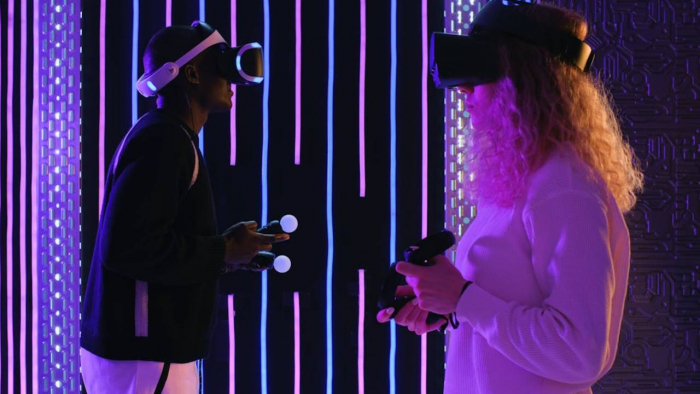
Virtual Reality is seriously changing the game when it comes to how people interact with tech. Instead of just staring at flat screens, users are getting dropped into full-on immersive environments that feel way more real and interactive. But with all that hype, there’s also a growing concern floating around: VR might actually end up making the digital divide worse instead of fixing it.
Understanding the digital divide
The digital divide is basically the gap between people who have solid access to modern tech and those who are left out of it. And that gap doesn’t come from just one thing. It’s a mix of income level, where someone lives, how old they are, and how comfortable they are with technology in general. Some people grow up surrounded by devices and fast internet, while others barely get access to basic digital tools.
Now here’s where VR complicates things. High-end systems aren’t cheap, and that immediately puts them out of reach for a lot of households. Devices like the Meta Quest 3S sit in that premium category of immersive tech, offering advanced features and smooth performance, but the price tag alone can shut a lot of people out before they even get started. So instead of leveling the playing field, it kind of risks reinforcing who already has access and who doesn’t.
The potential of VR to widen the digital divide
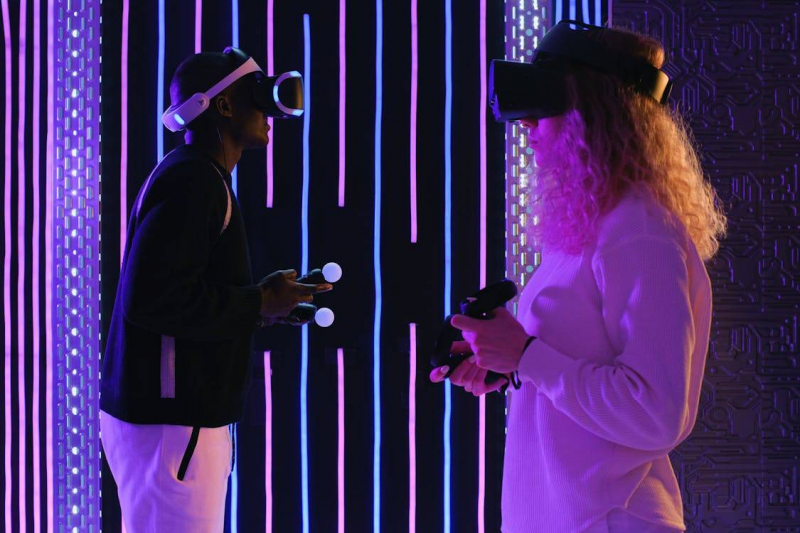
VR is getting more advanced by the year. We’re talking super realistic environments, hand tracking, full 3D interaction, the whole immersive package. With something like the Meta Quest 3S, users can literally reach out and manipulate virtual objects like they’re physically there. It feels futuristic, no doubt.
All that tech comes at a cost. Not everyone can drop that kind of money on a headset. So what ends up happening is a split. Some people get access to cutting-edge digital experiences, while others are stuck on traditional screens or no access at all. That gap starts to feel even bigger when schools, workplaces, or training programs begin adopting VR as part of their standard setup.
There’s also the skills issue. VR isn’t always plug-and-play for everyone. You need a baseline comfort with digital systems and even motion-based controls. For people who didn’t grow up with this kind of tech or don’t have access to proper training, it can feel overwhelming fast. And that’s where things get tricky, because the barrier isn’t just money anymore, it’s also know-how.
The role of VR in closing the digital divide
At the same time, VR actually has some real potential to close gaps. One of the biggest opportunities is in education. VR can bring learning into places where resources are limited. Some examples are rural areas or underfunded schools. Instead of relying on outdated textbooks or limited materials, students could experience interactive lessons that feel way more engaging.
It’s also worth noting that VR can make digital interaction more intuitive. Instead of clicking through menus or typing commands, users can just move naturally and interact with objects in space. That kind of setup can lower the barrier for people who struggle with traditional computer interfaces. In a way, it simplifies the experience by making it more physical and less abstract.
Another big angle is remote access. VR can potentially connect people to environments they wouldn’t normally reach, like virtual classrooms, job training spaces, or collaborative work hubs. That opens doors for communities that are usually left out of high-quality digital infrastructure.
The future of VR and the digital divide
As VR keeps evolving, the big question is who actually gets to benefit from it. If this tech becomes a standard part of education, work, and communication, then access becomes way more important than just innovation. Without broader availability, the gap between users who have VR and those who don’t could grow even wider.
Affordability is a major piece of that puzzle. If devices stay expensive, only certain groups will keep accessing them. And it’s not just about hardware either, software access and digital training matter just as much. People need support systems to actually use the tech effectively, not just own it.
There’s also the design side of things. If VR experiences are built in a way that assumes everyone is already tech-savvy, then a big chunk of users automatically gets left behind. Making interfaces more intuitive and less intimidating plays a huge role in whether VR becomes inclusive or exclusive.
Post Comment
Share your thoughts about this article.
Be the first to post a comment!