Table of Content
Most best-tool lists rank by popularity. This one starts with the job. Every tool below is measured against four tests your copy has to pass, then priced and profiled in full. Using AI for copy is no longer an edge. It is the baseline, and the useful question in 2026 is which tool fits the way you sell.
Why this matters now
The shift from novelty to normal happened in about three years, and the adoption data is unambiguous. AI copy is now standard equipment across marketing, which is why the differentiators have moved beyond raw writing speed and toward voice, format discipline, prediction and workflow.
| Figure | What it means | Source |
|---|---|---|
| 90.3% | Marketing organizations now use AI agents somewhere in their workflow | eMarketer 2026 MarTech Report |
| 78% | Marketing agencies use generative AI in campaign work, up 42 percent since 2023 | Statista |
| 68.9% | Penetration for content production tools specifically | eMarketer 2026 MarTech Report |
| 82% vs 52% | Predictive accuracy claimed for scored copy versus a generic model | Anyword |
| ~13 hrs | Average weekly time saved by marketing teams using AI copy | Industry estimate, 2026 |
How we evaluated

Every tool here is graded on the same five axes: brand voice, format fit, prediction, workflow and value. The first four are the tests that decide whether a draft ships or gets rewritten. The fifth, value, weighs capability against the entry price. Ratings in the scorecard are this guide’s editorial assessment on a 1 to 5 scale, drawn from each tool’s documented capabilities and independent 2026 reviews. They are meant to help you weigh priorities, not to replace a short trial on your own briefs.
The scorecard
Read across a row to see a tool’s balance of strengths, or down a column to find the leader on the axis you care about most. Scores are out of 5.
| Tool | Voice | Format | Prediction | Workflow | Value |
|---|---|---|---|---|---|
| Copy.ai | 4 | 5 | 2 | 5 | 4 |
| Jasper | 5 | 4 | 3 | 4 | 3 |
| Anyword | 3 | 4 | 5 | 3 | 3 |
| Writesonic | 3 | 3 | 2 | 4 | 5 |
| AdCreative.ai | 3 | 4 | 3 | 3 | 4 |
| ChatGPT | 3 | 3 | 1 | 3 | 5 |
| Claude | 4 | 3 | 1 | 3 | 5 |
At a glance: Jasper leads on voice, Copy.ai on format and workflow, Anyword on prediction, and Writesonic, ChatGPT and Claude tie on value.
Four tests, and the tool that passes each best
Speed is table stakes. Every tool here drafts a headline in seconds. These four tests are where campaigns are won or lost.
Test 01 - The voice test
Does it still sound like you on the tenth ad?

A tool that drifts into generic press-release tone by the tenth variation is a liability. The strongest platforms let you train a reusable brand voice so output stays consistent across every channel and campaign, which matters more the more you publish.
Passes best: Jasper. Its Brand Voice feature, which lets a team define and reuse a tone, is the single most cited reason buyers pick it, alongside the Canvas editor. Claude is the strongest of the general assistants here for longer, considered pieces.
Test 02 - The format test
Can it write to each platform’s real limits?

A Google search ad, a Meta feed post, a LinkedIn update and a TikTok caption are four different jobs with four different limits. A tool that ships one generic draft forces you to reshape everything by hand.
30 / 90 Google responsive search ads cap headlines at 30 characters and descriptions at 90, and truncate anything longer
~125 Meta hides primary text past roughly 125 characters behind a See More link that most people never tap
Passes best: Copy.ai. Native templates for Google, Meta and LinkedIn plus an Infobase that stores brand facts keep output inside the right shape. AdCreative.ai goes further for static ads by pairing the copy with the visual.
Test 03 - The prediction test
Can it tell you what will convert before you spend?
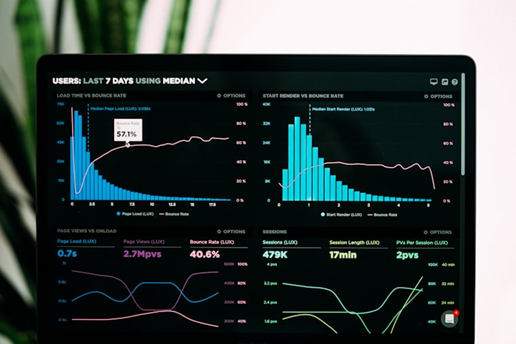
This is the frontier that separates 2026 tools from 2023 ones. Some platforms now score each variation for likely performance before a cent of media spend, which matters most for paid channels where small lifts compound across thousands of impressions.
82% vs 52% Anyword claims its model beats a generic model at picking the winning variation, a gap worth real money when click-through rate moves revenue
Passes best: Anyword. Predictive scoring is its whole pitch, and nothing else on this list replicates it. The trade-off is that the value lives almost entirely in that scoring layer.
Test 04 - The workflow test
Does it fit what happens after the draft?

The first draft is the easy part. The best tools cover formatting, testing and export into the platforms where campaigns actually run, which is where most of the roughly 13 hours a week of savings comes from.
~13 hrs Average weekly time saved, driven less by writing speed than by removing the blank page and generating testable variations quickly
Passes best: Copy.ai. Its Workflows feature chains steps into a pipeline: pull a URL, summarize it, generate three posts, push the result to a sheet. Writesonic is close behind for SEO-driven long-form pipelines.
The limits your copy has to live inside
The format test is not abstract. These are the real 2026 specs a tool has to respect, and the reason a generic draft rarely ships as written.
| Field | What you are writing | Visible limit | Hard cap | Why it matters |
|---|---|---|---|---|
| Google RSA headline | Search headline, up to 15 per ad | 30 characters | 30 characters | Google rejects copy over the limit rather than trimming it |
| Google RSA description | Search description, up to 4 per ad | 90 characters | 90 characters | Google shows only 1 to 2 of them in any given ad |
| Meta primary text | Feed body copy above the creative | About 125 | 2,200 | Text past the visible cutoff hides behind a See More link |
| Meta headline | Line below the creative | 27 to 40 | 40 characters | Feed placements often show only around 27 characters |
One more reason format discipline pays: Google reports advertisers who lift Ad Strength from Poor to Excellent see 15 percent more clicks and conversions on average.
Meet the seven tools
The framework tells you which test each tool wins. Here is the fuller picture: what each one is, how it works, who it fits and where it falls short.
Copy.ai
FAST SHORT-FORM AND AUTOMATION Free, or from about $49/mo
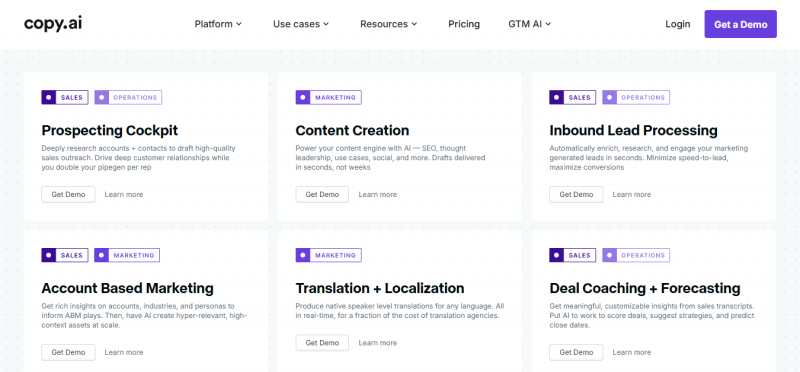
Copy.ai launched in 2020 and became many marketers’ first taste of AI writing, prized for a friendly interface and a library of more than 90 templates covering everything from Instagram captions to full cold-email sequences. Since then it has grown into a broader go-to-market platform aimed at sales and marketing teams rather than a simple copy generator. It supports more than 25 languages, connects to a wide range of marketing platforms, and its Infobase feature stores your brand and product details so tone and facts stay consistent from one asset to the next.
For ad and sales work its sweet spot is short-form volume: product descriptions, ad headlines, social posts and outreach emails produced quickly and on brand. The feature that sets it apart is Workflows, which chains steps into an automated pipeline. You can scrape a URL, summarize it, spin out three social variations and drop the result into a spreadsheet without touching each step, which is closer to automation than to autocomplete. The permanent free plan covers 2,000 words a month, which is genuinely enough to test the tool before paying.
Best for: E-commerce product copy, cold outreach and rapid ad-creative testing
Standout: Workflows, multi-step automation with no direct equivalent in most rivals
Watch out: Paid tiers lean toward automation credits rather than performance scoring
Jasper
TEAM MARKETING CONTENT From about $39 to $59/mo, Business custom
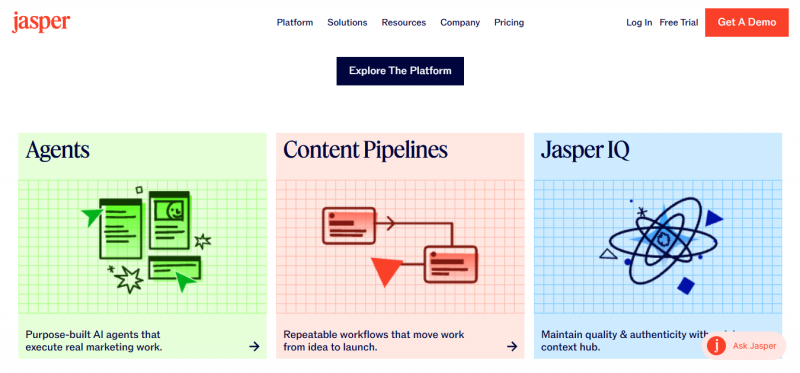
Jasper is the enterprise-leaning option, built for teams that publish daily across many channels and cannot afford the tone to wander. In head-to-head testing it consistently turns out polished ad copy, email templates and long-form drafts with a high degree of control, and it bakes in classic frameworks such as AIDA along with ready formats for Google, Facebook and LinkedIn ads.
Two features anchor most buying decisions. Brand Voice analyzes your existing copy and applies that tone across everything the team produces, and the Canvas editor gives a workspace for shaping on-brand long-form pieces. Pre-built agents handle common jobs like email and social, and a Copyscape-powered plagiarism check is included. The catch is cost: Jasper sits at the premium end, paid plans include unlimited words, and extras such as a Surfer SEO integration can add to the bill, so the honest way to budget is by seats plus add-ons rather than the headline price.
Best for: Teams that need one consistent brand voice across every channel
Standout: Brand Voice training plus the Canvas editor and workflow agents
Watch out: Premium pricing that scales per seat, with add-ons stacking on top
Anyword
PERFORMANCE-SCORED COPY About $49 to $99/mo, Business custom
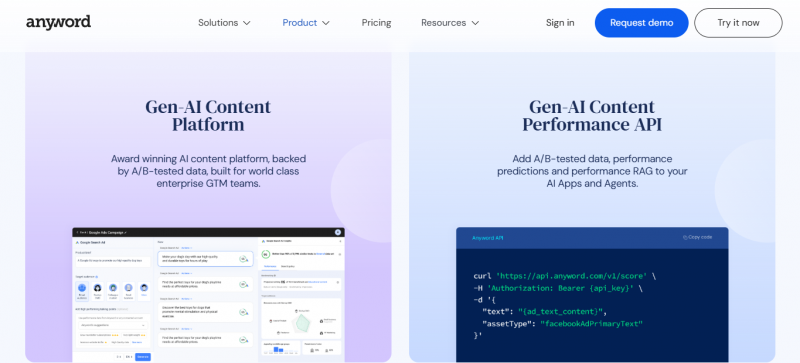
Anyword answers a different question from the rest of the field. Instead of only writing copy, it predicts how that copy will perform. Every variation gets a performance score, and the company claims its model identifies the winning option with about 82 percent accuracy against roughly 52 percent for a generic model. For anyone running paid social, search or email, where a couple of points of click-through rate translate into real revenue, that predictive layer is the entire reason to be here.
The plans reflect that focus. Every tier generates unlimited copy, so what you pay more for is prediction volume, the data the model learns from, extra seats and, higher up, custom AI models and analytics. It is strongest on ad copy, email subject lines and landing-page optimization, and a weaker fit for long-form blogging. There is a 7-day trial but no refunds on canceled subscriptions, so the trial is the safe way to evaluate it. Because the value is concentrated in the scoring, a team that never A/B tests will be paying for a feature it barely touches.
Best for: Performance marketers who A/B test ads, subject lines and landing pages
Standout: Predictive performance scoring before you spend on media
Watch out: Value is concentrated in scoring, and it is thin on long-form content
Writesonic
SEO AND LONG-FORM VALUE Free tier, or from about $16 to $20/mo
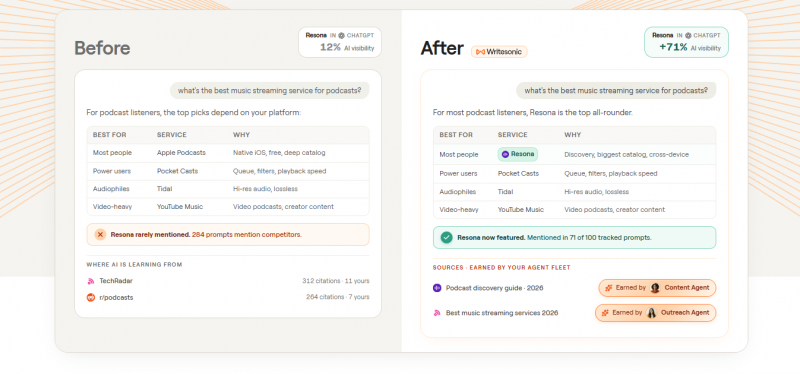
Writesonic packs a broad toolkit into competitive pricing, and in 2026 it has leaned hard into search. Alongside a fast Article Writer that produces structured long-form drafts, it offers Chatsonic for research-style chat and Botsonic for building chatbots trained on your own content. Its bigger bet is Generative Engine Optimization, the practice of structuring content so it surfaces inside AI answers from tools like ChatGPT and Google’s AI overviews, backed by SERP analysis, competitor keyword research and integrations with SEO platforms.
For sales pages and landing pages that also need to rank, that combination makes it one of the better value picks on this list, particularly for solo creators and bloggers. It exposes quality levels from Premium down to Economy that affect how much editing a draft needs, so aim for the higher settings when polish matters. One more caveat: Writesonic changes its tiers fairly often, so confirm the current plan before you subscribe.
Best for: SEO-driven long-form and sales pages that need to rank
Standout: Article Writer plus GEO tracking across AI search surfaces
Watch out: Tiers change often, and lower quality settings need heavier editing
AdCreative.ai
COPY PLUS FINISHED VISUALS About $21 to $141/mo
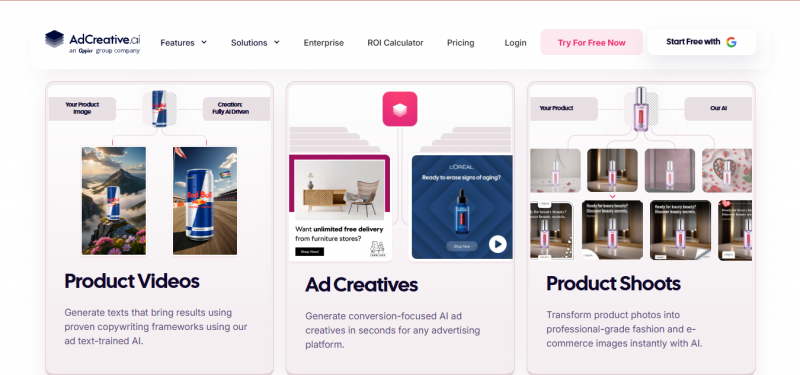
Most tools on this list stop at words. AdCreative.ai does not. It generates the copy and the visual together, producing static ads with text overlaid that look finished rather than needing a separate trip through a design tool. If your bottleneck is not writing a headline but turning that headline into dozens of on-brand display and social creatives, doing both in one step is where the time savings show up.
It is purpose-built for volume static creative rather than long-form persuasion, and it does not run your campaigns for you, so you still export into your ad platforms to launch. Within that lane it fills a real gap for performance and e-commerce teams that need a steady stream of ready-to-ship ads, and its pricing scales with how many creatives you generate.
Best for: Teams producing high volumes of static display and social creative
Standout: Copy and finished visual generated together in one step
Watch out: No campaign execution, and it is not built for long-form sales copy
ChatGPT
FLEXIBLE GENERAL-PURPOSE Free tier, or about $20/mo
Not every job needs a dedicated marketing platform, and ChatGPT is the reason. It handles ad copy, emails, social posts and sales pages across any format and returns clean, readable output, and its free tier is the most capable no-cost option available. The paid tier sits around $20 per month and adds headroom and stronger models.
What you give up is the marketing scaffolding: there is no built-in brand-voice training, no performance scoring and no one-click platform templates. You supply that structure through your own prompts. At today’s adoption levels a good custom prompt is no longer an edge over competitors, so the right way to see ChatGPT is as excellent, flexible value rather than a full campaign stack.
Best for: Flexible, everyday copy and drafts when you write your own prompts
Standout: Broad capability and a genuinely useful free tier
Watch out: No brand-voice training, scoring or platform templates out of the box
Claude
NUANCED LONG-FORM Free tier, or about $20/mo
Claude is the pick when the copy needs to think a little harder. It leans toward depth and nuance, which makes it a strong writing partner for longer sales pages, considered email sequences and narrative-driven brand work where tone and structure carry the persuasion. Like ChatGPT it offers a capable free tier, with a paid plan around $20 per month.
It shares the same trade-off as any general assistant: no marketing-specific features such as voice training, scoring or ad templates, so you bring the brief and the structure. Given a clear, detailed prompt it rewards you with copy that reads considered rather than templated, which is exactly what long-form sales writing tends to need.
Best for: Longer, more considered sales pages and brand writing
Standout: Depth and nuance on long-form copy
Watch out: No marketing-specific scaffolding, so results depend on your brief
Every tool, priced
Approximate 2026 entry points that shift often, so treat them as a starting reference rather than a quote. Annual billing typically saves around 20 percent versus monthly.
| Tool | Best for | Starting price / month | Free option | Standout feature |
|---|---|---|---|---|
| Copy.ai | Fast short-form copy and automation | About $49 | Yes, 2,000 words | Multi-step Workflows |
| Jasper | Team marketing content | About $39 to $59 | Trial only | Reusable Brand Voice |
| Anyword | Performance-scored ad copy | About $49 | 7-day trial | Predictive scoring, 82% claimed |
| Writesonic | SEO and long-form sales pages | About $16 to $20 | Limited free tier | Article Writer plus GEO tracking |
| AdCreative.ai | Copy plus ad visuals | About $21 | Trial only | Copy and image in one step |
| ChatGPT | Flexible general-purpose copy | About $20 | Yes, free tier | Clean output across any format |
| Claude | Nuanced long-form copy | About $20 | Yes, free tier | Depth on longer sales writing |
What you will actually pay
Sticker prices rarely match the final bill, so budget with a few realities in mind rather than the headline number alone.
- Annual versus monthly: Committing annually usually trims about 20 percent, but it locks you in, so trial monthly first and switch once a tool has earned a place in your stack
- Renewal jumps: Independent reviewers note that first-year promotional pricing can rise by 30 to 50 percent at renewal, so check the renewal terms before signing an annual plan
- Per-seat scaling: Team costs rarely scale in a straight line, and adding two seats to a small plan can move you into a higher tier, so price the seat count you will actually reach
- Free tier versus free trial: Copy.ai, ChatGPT and Claude offer genuinely useful free tiers, while Jasper and AdCreative.ai are trial-only, which changes how cheaply you can evaluate them
- Word limits: Most paid plans now include unlimited words, so the meaningful caps have shifted to seats, performance predictions and creative volume rather than raw output
Trends shaping ad and sales copy in 2026
Three shifts are reshaping how these tools compete, and they explain where the category is heading.
From single prompts to workflows
The leading platforms have moved past one-shot generation toward chained workflows that research, draft, format and export in a single pass. Copy.ai’s Workflows and Writesonic’s article pipelines are the clearest examples, and they are why a custom prompt in a general chatbot is now the baseline rather than an advantage.
Prediction as the real differentiator
As raw generation quality converges across tools, the edge is moving to performance prediction. Scoring copy before you spend, as Anyword does, is the capability general assistants cannot yet match, and it is the feature performance marketers increasingly pay for.
The rise of answer engine optimization
With ChatGPT, Perplexity and Google’s AI overviews answering more queries directly, structuring copy so it surfaces inside those answers, sometimes called Generative or Answer Engine Optimization, has become a distinct discipline. Writesonic has built much of its 2026 positioning around it, and it is likely to spread across the category.
How to choose without burning a month on trials
Start from your own situation rather than a ranking. Anyone spending real money on paid ads should look at Anyword first, because when a point or two of click-through rate changes the math, its performance scoring earns its keep and none of the general tools can fake that. Solo operators and small shops churning out short-form tend to get more for their money from Copy.ai or Writesonic, and Copy.ai’s free tier lets you find out before paying a cent.
The calculus changes for teams. Once several people write under one banner, holding the voice steady becomes the hard part, which is exactly what Jasper’s Brand Voice was built for, so the premium is easier to justify once the seats are genuinely in use. When the bottleneck is design rather than words, AdCreative.ai hands you the copy and the finished visual together, a different kind of time saved. And on a tight or unpredictable budget, ChatGPT and Claude handle most of the work for around twenty dollars a month, with Claude the stronger hand for anything long and considered.
Whatever your shortlist, resist signing up for five trials at once. Pick two, hand them the same brief for one live campaign, and ship whichever needs less cleanup. The editing you skip is the honest measure, and it will settle the question in an afternoon better than a month of feature comparisons.
Get more from any tool
The tool matters less than how you brief it. Feed it your best existing copy as a reference so it learns your voice instead of defaulting to generic. Give it the specific audience, the offer and the platform up front, since a Meta ad brief and a cold email brief should not produce the same draft. Generate several variations rather than one, then combine the strongest lines. And treat the first draft as raw material, because the tools that save the most time get you 80 percent of the way there fast, leaving your judgment for the final 20 percent that actually converts.
The bottom line
The honest answer is that there is no single best tool here, and any guide that crowns one is quietly hoping you have the same job as everyone else. You do not. The tool that transforms one team's output is dead weight for another, and the difference is rarely quality. It is fit.
So the useful move is to name the test your revenue actually hinges on. If a fraction of a point on click-through rate decides whether a campaign pays for itself, prediction is your test, and Anyword is the only tool on this list that scores copy before you spend. If your problem is ten people slowly pulling the brand voice in ten directions, consistency is the test, and Jasper was built for exactly that. If you are one person shipping a lot of short-form, or watching a budget, then value and speed matter more than any premium feature, and Copy.ai, Writesonic, ChatGPT and Claude will each carry you further than their price suggests. Most teams already know which of these describes them. The mistake is shopping for features instead of answering that one question first.
Once you have named the test, the rest is quick. Pick two contenders, hand them the same real brief, and run it through one live campaign rather than a sandbox. Ship whichever draft needs less cleanup before it goes out the door. That single comparison, measured in the editing you did not have to do, will tell you more in an afternoon than every spec sheet and ranking combined, this one included. The tools are good enough now that the winner is decided by your workflow, not their marketing, and the only way to see your workflow is to put real work through it.
Post Comment
Share your thoughts about this article.
Be the first to post a comment!