Table of Content
- What Is LTX Studio and Why Are Creators Talking About It?
- Deep Dive into the Toolkit
- Pricing Plans Explained (And Credit Costs)
- Under the Hood: How Fast & Accurate Is LTX?
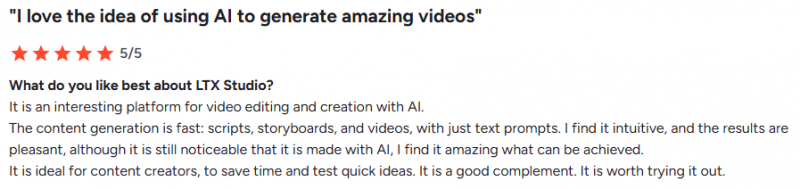
- User Reviews: From Reddit to G2 to Trustpilot
- Visual Breakdown: LTX Studio Chart
- How Well Does It Handle Long-Form Scripts?
- Export Options: What Formats Are Supported?
- Does It Work on Mobile Devices?
- Use Cases
- Limitations You Should Know
- LTX vs the Competition
- Pro Tips for Better Results
- Final Verdict: Who Is It Really For?
LTX Studio, built by Lightricks, is a next-gen browser-based platform that turns scripts, text prompts, and static images into animated videos. Whether you’re a content creator, educator, or marketing team, it offers a complete pipeline from idea to pitch-ready video. This article covers everything—from tools and tech to pricing, user reviews, and real-world use.
What Is LTX Studio and Why Are Creators Talking About It?
LTX Studio lets you build videos from words or images. Feed it a script (up to 12,000 words), and it breaks it into scenes, adds camera motion, inserts effects and characters, and lets you export a polished file—all inside your browser.
You can:
- Convert long scripts into storyboard-driven videos
- Animate images with motion
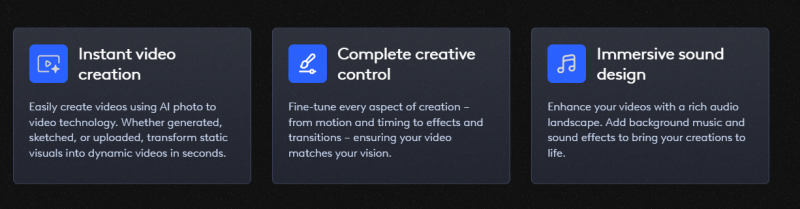
- Generate pitch-ready visual presentations.
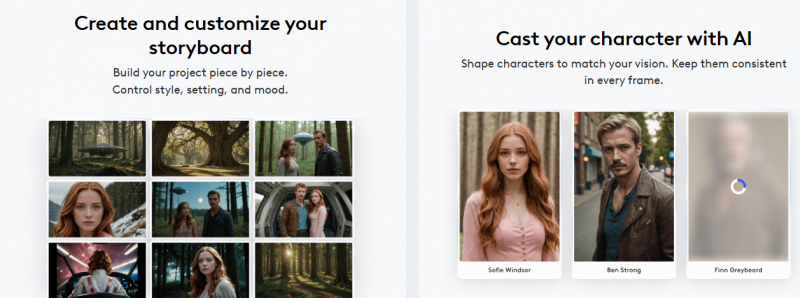
With the growing popularity of AI filmmaking tools like Pika Labs, LTX has caught creators’ attention for its storyboard-first approach, balancing automation with creative control.
Deep Dive into the Toolkit
| Feature | What It Does |
| Script-to-Video | Converts long scripts into animated scenes |
| Image-to-Video | Adds motion to static photos |
| Storyboard AI | Creates visual boards using just text or uploads |
| Character Control | Ensures character consistency across shots |
| Camera & Light Motion | Adds dolly moves, pans, zooms, lighting |
| Sound Editor | Layer voiceovers, SFX, and music |
| Export Tools | MP4, XML, or pitch-deck presentation formats |
Pricing Plans Explained (And Credit Costs)
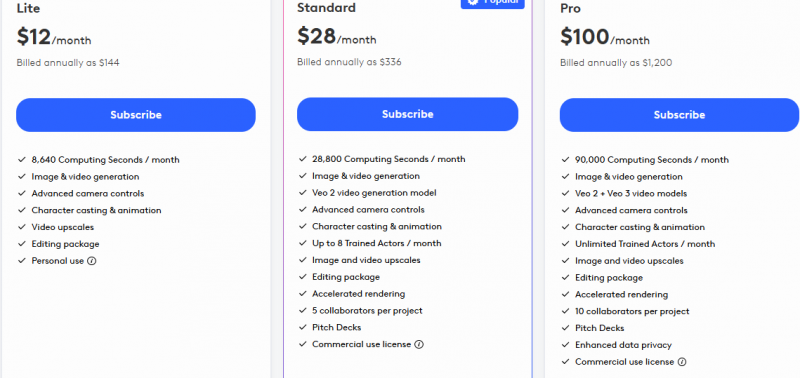
Users on Reddit note compute cost can feel unpredictable, especially with longer clips.
How Credits Actually Work (With Examples)
LTX Studio recently renamed “computing seconds” to “credits”. Same balance, clearer name. Credits are consumed every time you generate something, and different actions cost different amounts: rendering a video, changing a character's appearance, and creating a new shot each draw from the same pool at different rates.
Concrete examples of what that means in practice:
• The 800 free credits are a taste, not a workflow. A handful of short test clips and storyboard experiments will use them up, and they never refill.
• Audio-to-video is one of the heaviest actions: G2 reviewers report it costs roughly 1,000 credits per 10-second clip. At that rate, the Lite plan's 8,640 monthly credits equal about 85 seconds of audio-driven video if that's all you generate.
• Native LTX models are the budget option: generating with LTX-2.3 consumes significantly fewer credits than partner models like Veo 3.1 or Kling 3.0 Pro. Check the per-action credit cost shown before running batch generations.
• Iteration is the hidden cost: every regenerated shot, character tweak, and upscale spends credits. Ten revisions of one scene can cost more than ten different scenes done right the first time.
• Safety valve: Standard and above let you buy additional credits mid-month; refunds are typically granted within 14 days of payment if you have used under 1,200 credits.
Rule of thumb: hobby experiments fit in Free/Lite; anyone generating client work or weekly content should budget for Standard at minimum, both for the credit pool and for the license.
Under the Hood: How Fast & Accurate Is LTX?
- Fast generation: ~4 seconds for 5s video @24fps (512x768) on NVIDIA H100
- Architecture: Video-VAE + Transformer, keeps motion natural
- Optimized for pre-production, not full animation pipelines
User Reviews: From Reddit to G2 to Trustpilot
What Users Love:
- “Storyboard generation is fast and intuitive.”
- “Output looks better than expected for such little input”
Where It Needs Work:
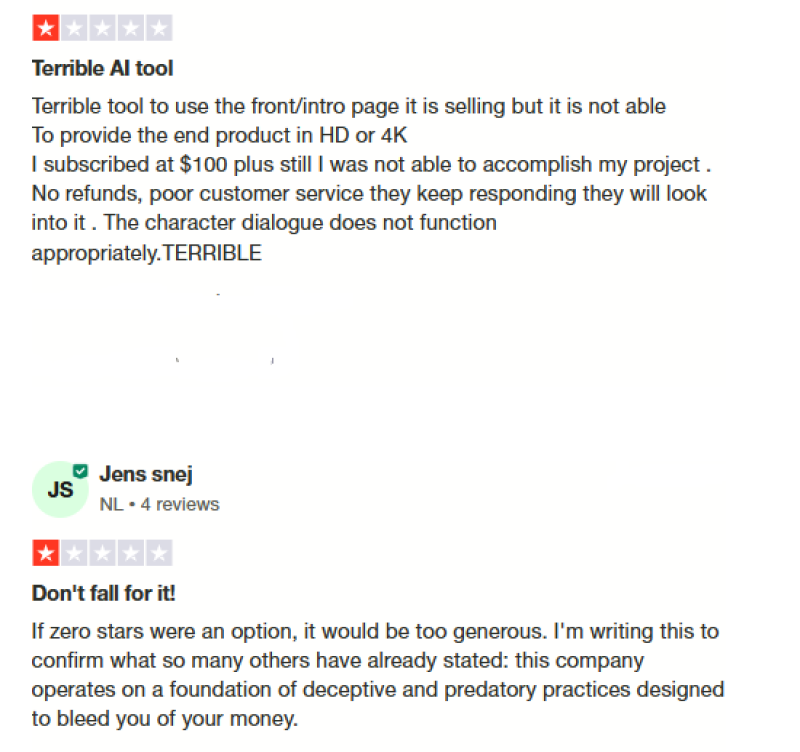
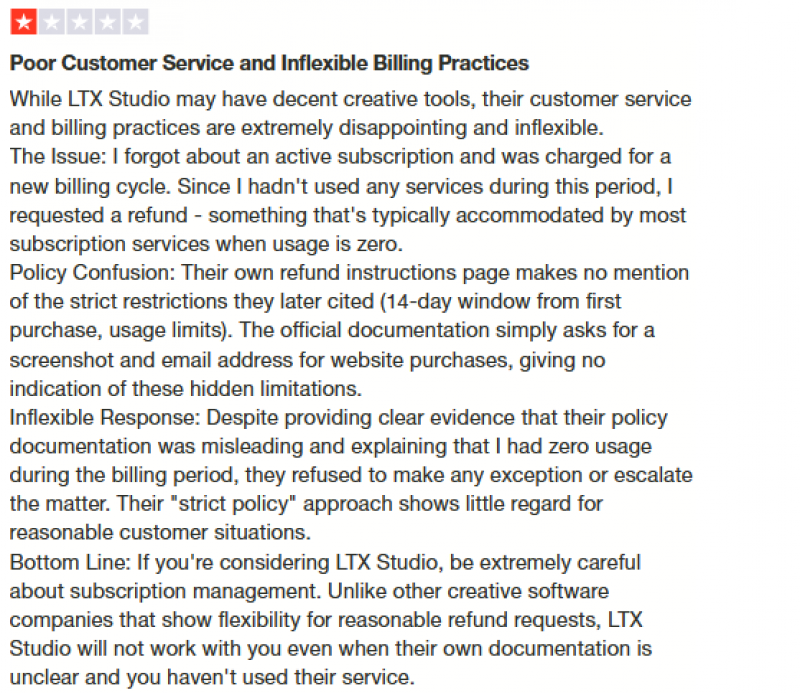
- Trustpilot: 2.0/5 rating
- Complaints around billing confusion and weak support
- Voice sync still feels off in many scenes
Visual Breakdown: LTX Studio Chart
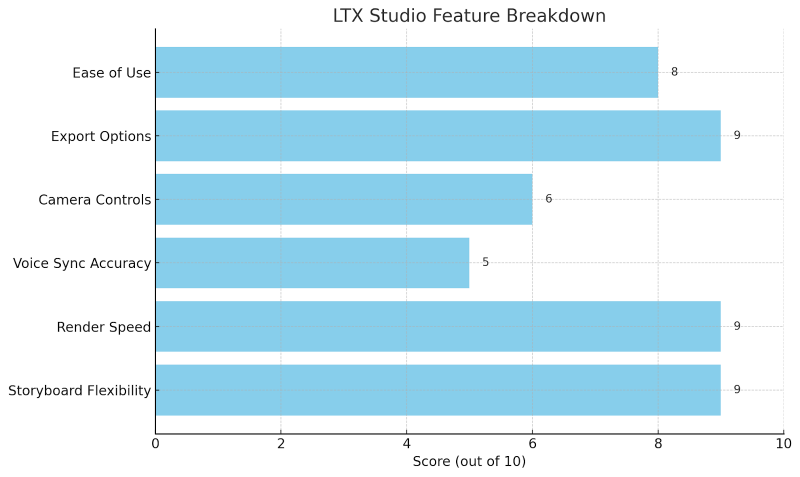
- Storyboard Flexibility: 9/10
- Render Speed: 9/10
- Voice Sync Accuracy: 5/10
- Camera Controls: 6/10
- Export Options: 9/10
- Ease of Use: 8/10
How Well Does It Handle Long-Form Scripts?
One of LTX Studio’s standout capabilities is turning long-form scripts into manageable, visual stories. Its scene segmentation logic respects beats and transitions, allowing 3,000+ word inputs to translate into over 15 scenes.
Export Options: What Formats Are Supported?
- MP4 (for final renders)
- XML (timeline for editors)
- Pitch-deck format (storyboards and summaries)
Currently, no support for ProRes, WebM, or transparent background video files.
Does It Work on Mobile Devices?
While LTX runs on most modern browsers, it’s not optimized for mobile. Tablet users (like iPad Pro) can access core features, but touch controls for timeline editing and motion paths feel clunky.
No native app yet for iOS or Android.
Use Cases
- YouTube creators: Quick motion graphics for intros/outros
- Indie writers: Turn scripts into pitch videos
- Educators: Visual lesson recaps or explainer videos
- Creative agencies: Mockups before client approval
Limitations You Should Know
- Voice sync is still buggy for longer clips
- Billing is based on compute seconds, not video length
- Poor documentation and live chat response time
- No collaborative team editing and poor customer service
LTX vs the Competition
| Tool | Best Use | Weakness |
| LTX Studio | Storyboarding, script-to-video | Syncing, billing UI |
| Runway ML Gen-2 | High-res realism | Single shot only |
| Synthesia | Corporate avatar videos | Rigid template limits |
| Pika Labs | Simple text-to-video | No character control |
Pro Tips for Better Results
- Use descriptive prompts: include camera cues, lighting, tone
- Avoid native voiceovers: tools like ElevenLabs offer better quality
- Export decks for presentation before full video render
- Track compute seconds: preview short clips first
Final Verdict: Who Is It Really For?
LTX Studio by Lightricks is a browser-based AI filmmaking tool that turns scripts or static images into cinematic videos within minutes. It’s fast, intuitive, and ideal for storyboarding or pitch videos, especially for indie filmmakers, educators, and creative agencies. The platform handles long scripts well and supports exports like MP4, XML, and pitch decks, though it still lacks mobile optimization and perfect voice sync. While billing can be confusing, LTX stands out for its speed, smart scene division, and creative flexibility, making it a strong choice for anyone turning written ideas into visual stories.
Post Comment
Share your thoughts about this article.
Be the first to post a comment!