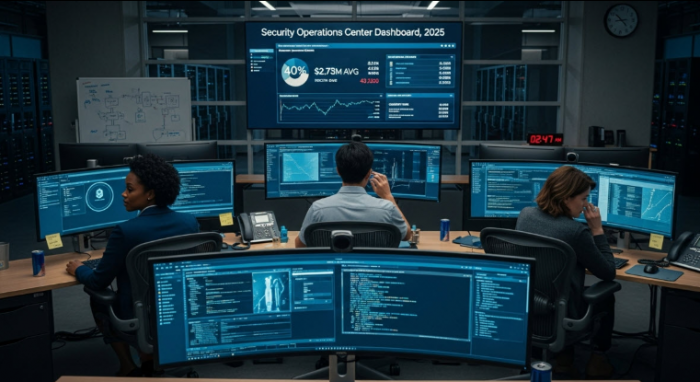
The rapid expansion of artificial intelligence in business operations is creating a new security challenge: protecting autonomous AI systems from misuse and cyberattacks. A growing number of technology companies are now investing heavily in tools designed to secure AI agents, detect vulnerabilities, and prevent data leaks.
According to reporting from BBC, the industry is entering a phase where AI security is becoming as important as AI capability itself. The trend has accelerated following major acquisitions and product launches aimed at safeguarding autonomous AI systems used by enterprises.
OpenAI’s Acquisition Highlights the Security Push
One of the most significant developments is the acquisition of Promptfoo by OpenAI.
Promptfoo is known for tools that allow developers to stress-test AI systems through automated red-teaming, a process that simulates attacks such as prompt injections, data leaks, and malicious inputs.
The technology will be integrated into OpenAI’s enterprise platform known as Frontier, where companies deploy AI agents capable of performing tasks such as customer support automation, document analysis, and workflow orchestration.
Promptfoo’s security tools are already used by more than 25 percent of Fortune 500 companies, highlighting how quickly enterprises are adopting AI safety testing.
Enterprises Are Deploying Autonomous AI Agents
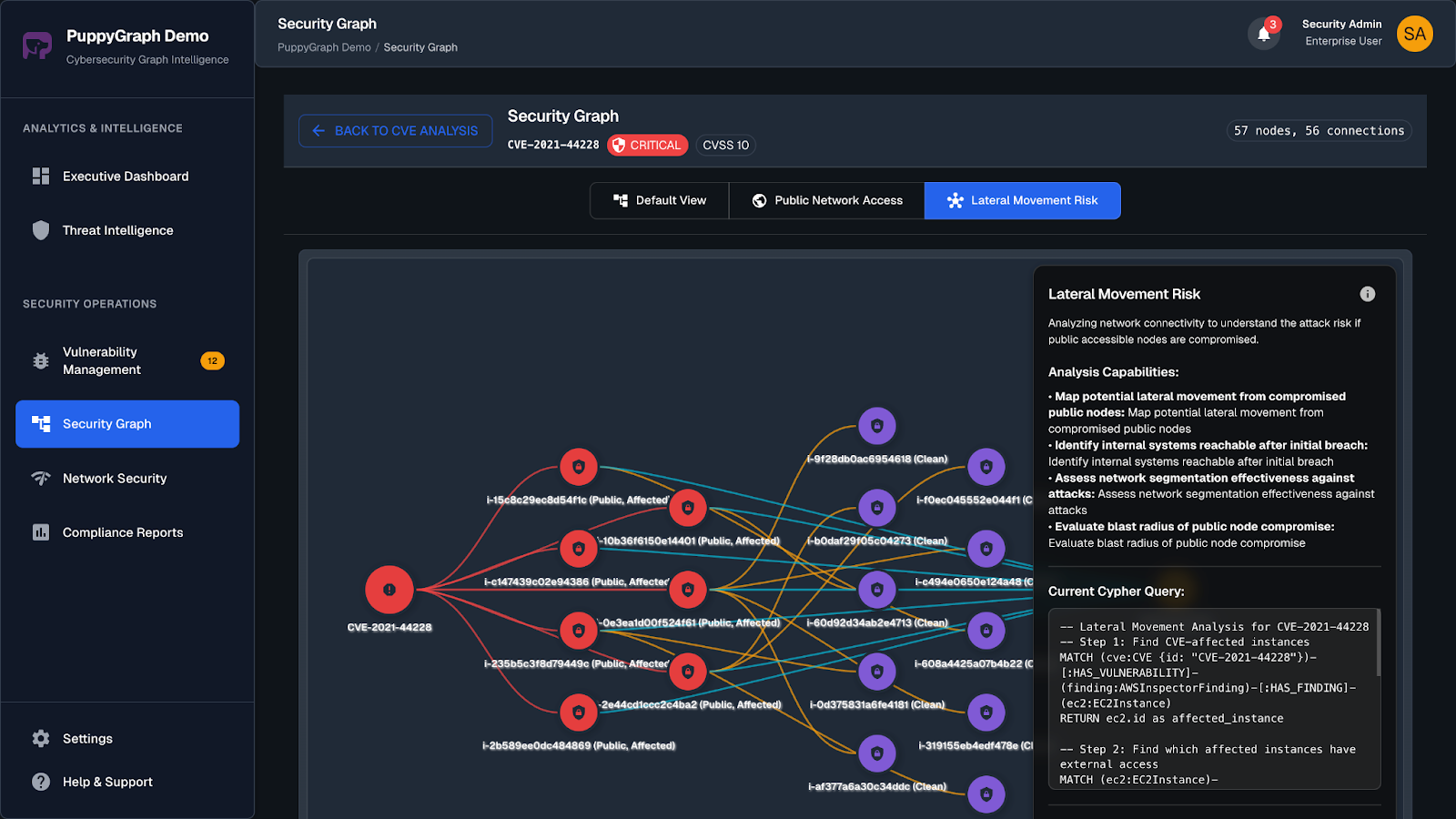
Large organizations are increasingly using AI agents to automate business processes. These systems can retrieve data, execute tasks across applications, and interact with internal tools.
However, the same capabilities also create potential vulnerabilities.
Security experts warn that poorly protected AI agents could be manipulated through techniques such as:
- prompt injection attacks
- unauthorized data extraction
- workflow manipulation
- malicious automation
As a result, enterprises are seeking tools that can monitor AI behavior and detect security risks before systems are deployed in production environments.
Anthropic and Others Are Building Similar Tools
The push for AI security is not limited to OpenAI.
Other companies are also developing tools aimed at managing risks associated with AI-generated outputs and autonomous systems.
For example, Anthropic recently launched a code review system within its Claude development environment that automatically analyzes AI-generated code for logical errors and vulnerabilities.
The growing number of security-focused AI tools suggests that companies are beginning to recognize the need for governance infrastructure alongside AI development platforms.
Surge in AI Cybersecurity Investments
The BBC report places these developments within a broader surge of investment in AI cybersecurity technologies.
Technology companies and investors are racing to secure the infrastructure that supports AI systems as they become more widely deployed across industries.
Recent deals cited in industry coverage include:
| Acquisition | Company | Estimated Value | Security Focus |
|---|---|---|---|
| Promptfoo | OpenAI | Undisclosed (previously valued at $86M) | AI agent red-team testing |
| Manus | Meta | $2B+ | Autonomous AI systems |
| Wiz (proposed) | $32B | Cloud and identity security | |
| CyberArk | Palo Alto Networks | $25B | Privileged access security |
Analysts estimate that the global AI cybersecurity market could reach nearly $93.75 billion by 2030, reflecting growing demand for tools that can secure advanced AI systems.
Regulatory Pressure Is Increasing
Governments and regulators are also pushing companies to improve AI safety standards.
Authorities in the UK and European Union have introduced new rules requiring stronger governance, transparency, and accountability in AI deployments.
These regulations emphasize:
- traceability of AI decision-making
- monitoring of AI system behavior
- safeguards against misuse and bias
- clear documentation for audits and compliance
As AI systems become embedded in business operations, meeting these requirements is becoming essential for companies operating in regulated industries.
Balancing Innovation and Risk

While AI agents promise significant productivity gains, experts say their rapid deployment also increases the importance of robust security controls.
Organizations are experimenting with what some analysts describe as “AI coworkers,” digital agents capable of performing tasks alongside human employees.
But without proper safeguards, those systems could introduce new attack surfaces for cybercriminals.
Tools like automated red-team testing, risk monitoring dashboards, and compliance tracking systems are expected to become standard components of enterprise AI platforms.
The Next Phase of the AI Industry
The emergence of AI security tools signals a shift in the technology industry’s priorities.
During the first phase of the AI boom, companies focused primarily on building larger models and improving performance.
Now attention is increasingly turning toward how those systems can be deployed safely at scale.
As enterprises integrate AI agents into core business operations, ensuring that these systems operate securely, transparently, and responsibly is likely to become one of the defining challenges of the next stage of AI development.
Post Comment
Be the first to post comment!