Everyone's still typing into the same little chat box. Meanwhile, a quiet group of power users switched to these seven tools and never looked back. Here's what they know that you don't.
Let's be honest. ChatGPT is incredible. It is also the AI equivalent of a butter knife: handy for almost anything, great at almost nothing specific.
The people getting genuinely unfair results in 2026 figured out one thing early. The real magic isn't in one chatbot. It's in knowing which tool to reach for the second ChatGPT starts to wobble. All of these grew out of the same generative AI breakthrough, but each one took that power somewhere ChatGPT simply refuses to go.
Scroll slowly. Number 6 alone could save you hours every single week.
Perplexity AI
The Tool That Catches ChatGPT Lying
Here's an uncomfortable truth. Ask ChatGPT about something recent and it will answer with total confidence and zero proof. Sometimes it's right. Sometimes it invents the whole thing.
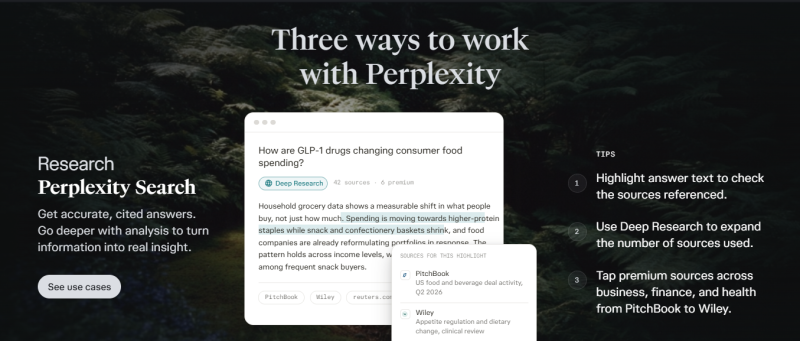
Perplexity AI was built to end that guessing game. Instead of answering purely from memory, it runs a live web search for every question, reads across multiple sources, and pulls the answer together with a numbered citation attached to each claim. Click any citation and you land on the original page, so you are never trusting a black box. It is especially sharp on breaking news, market trends, product comparisons, and any fact that changes week to week. It also offers follow-up suggestions and a focused mode for digging deeper into one topic, turning a single question into a full research trail.
More than ChatGPT: it answers from the live internet with clickable sources, so you can actually verify every claim instead of hoping it's true.
Use it when: being wrong would be embarrassing or expensive.
Claude
The Quiet Giant That Eats Entire Documents for Breakfast
While everyone argues about chatbots, Claude just keeps winning the jobs that actually matter.
- Swallows massive context. Its large context window lets you drop in entire reports, contracts, research papers, or codebases and ask questions across all of it at once, without chopping it into tiny pieces.
- Writes like it means it. It is repeatedly singled out for long-form writing, natural tone, and tight instruction-following, which makes it a favorite for drafts that need nuance rather than filler.
- Codes without losing the plot. It handles multi-step logic, long functions, and whole-document edits while keeping track of the details that trip other tools up.
- Stays careful. It tends to flag uncertainty and ask clarifying questions instead of bulldozing ahead, which matters when the stakes are real.
More than ChatGPT: it holds far more text in a single session, so it can reason over a whole book, codebase, or case file at once rather than forgetting the start by the end.
Use it when: your task is bigger than a chat window can comfortably hold.
Midjourney
One Sentence In, Four Stunning Images Out
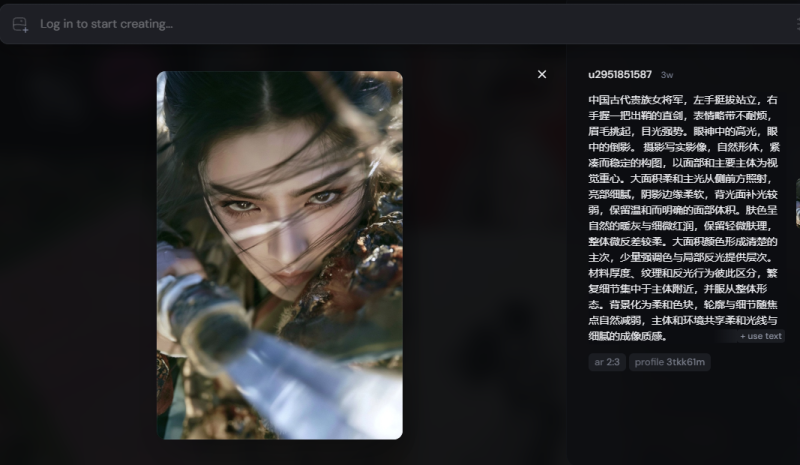
Imagine typing "a misty harbor at dawn, paper boats drifting past" and getting back visuals so polished people assume you hired an illustrator. That is a boring, ordinary moment with Midjourney.
It is widely treated as the gold standard for AI image generation, famous for artistic quality and photorealism that rivals keep chasing. It has grown far past its Discord-only roots into a full web app with real creative controls: you can set aspect ratios, steer the style, blend reference images, upscale to high resolution, and create variations of a shot you already love. Newer personalization features even learn your taste over time and hold a consistent look across a whole set of images, which is the dream for brand work. One catch to plan for: there is no free plan, and paid tiers start at $10 per month.
More than ChatGPT: it generates gallery-grade, repeatable visual art with fine style control, not just a quick one-off picture.
Use it when: words aren't enough and you need something people stop scrolling to look at.
Runway
Hollywood-Style Video From a Text Box
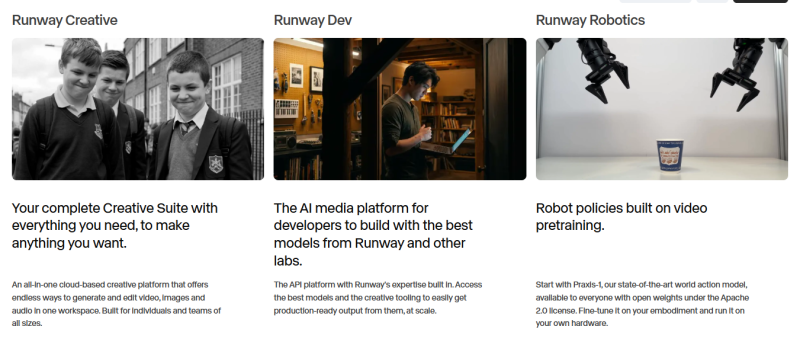
Everything Midjourney does for still images, Runway does for footage that actually moves.
It is a full production platform built around generative video. You can create clips from a plain text prompt, animate a still image into motion, or restyle and edit existing footage you shot yourself. On top of generation, it carries a stack of editing tools: you can isolate and replace backgrounds, adjust camera motion, and extend shots, which collapses storyboarding, short-form content, and visual effects into something you finish in an afternoon instead of a week. It is the tool creators graduate to the moment static images stop being enough.
More than ChatGPT: it produces and edits actual moving video, a format a text chatbot cannot create at all.
Use it when: your idea needs motion, not just a picture.
ElevenLabs
The Voice So Real It's a Little Unnerving
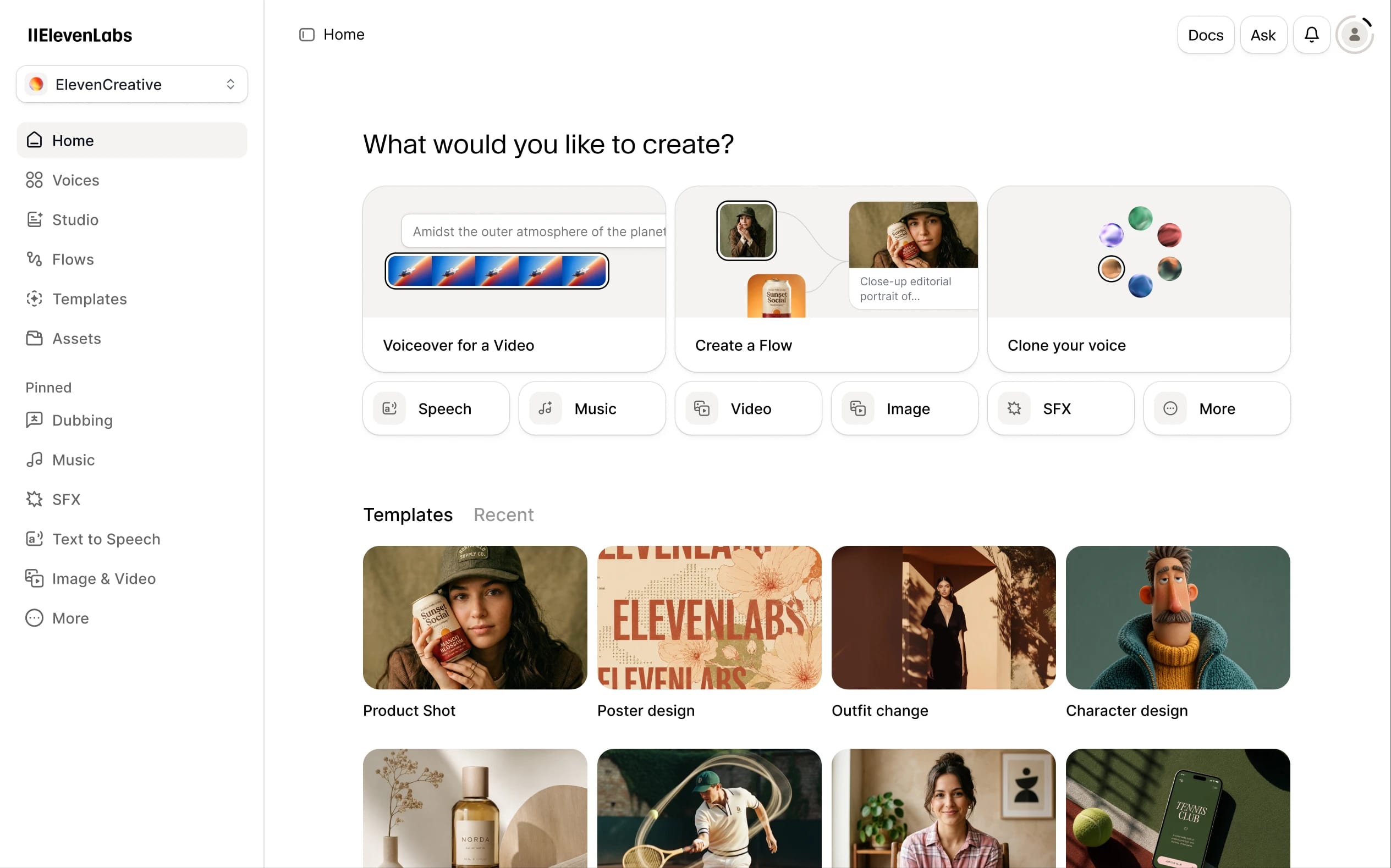
What is it? ElevenLabs generates spoken audio that sounds genuinely human, with natural pacing, breathing, and emotion.
What can it actually do? It offers a large library of ready-made voices, lets you clone a voice from a short sample, and can speak across many languages while keeping the same voice identity. You control tone and delivery, and it is widely regarded as the best AI voice generator available.
Where does it shine? Audiobooks, explainer videos, podcasts, game characters, and dubbing foreign content, all with no studio, no microphone, and no awkward recording session.
More than ChatGPT: it outputs finished, broadcast-ready audio in a custom or cloned voice, not just text you would still have to record yourself.
Use it when: you need a voice and you need it to sound real.
Cursor
Why Developers Quietly Stopped Copy-Pasting Code
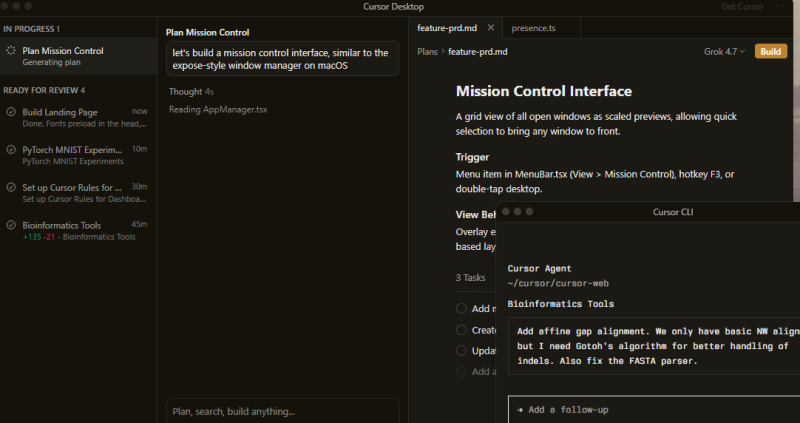
This is the one that saves the hours. With ChatGPT you copy code out of a chat, paste it into your editor, break something, go back, and repeat forever. Cursor deletes that entire loop.
It puts the AI directly inside your code editor. Because it can read your whole project, it understands how your files connect, suggests changes in the right context, and can edit across multiple files in one move instead of guessing from a single lonely snippet. It writes new features from a plain-English request, explains unfamiliar code, catches bugs, and keeps your project's existing style intact. These coding assistants are large language models tuned specifically for software, and the difference in day-to-day flow is night and day.
More than ChatGPT: it works inside your real project and edits your files directly, instead of making you shuttle code back and forth through a chat window.
Use it when: you write code and you are tired of playing clipboard middleman.
Suno
Turn a Single Idea Into a Finished Song
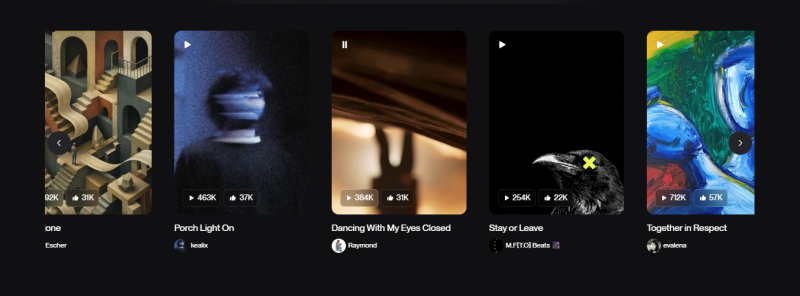
Most people will never learn to compose music. Suno makes that fact irrelevant.
Suno generates complete tracks, vocals, instruments, melody, and song structure, from a short text prompt. Describe a mood or a genre, toss in your own lyrics or let it write them, and it hands back a full song with verses and a chorus. You can steer the style, regenerate sections you don't love, and extend a track into a longer piece, which makes it usable for background music, intros, jingles, and demos. ChatGPT might write you some lyrics. Suno gives you the actual track you can press play on.
More than ChatGPT: it creates real, listenable music with vocals and instrumentation, not just the words on a page.
Use it when: you want to hear your idea, not just read it.
The Real Reason ChatGPT Can't Keep Up (3 Fast Truths)
Truth 1: It's a generalist in a world that rewards specialists
ChatGPT does a little of everything. These tools do one thing and go embarrassingly deep. The winners don't pick one side. They start in ChatGPT and finish in a specialist.
Truth 2: It can't see today
A standard chatbot is frozen at its training cutoff and can't prove what it says. Perplexity pulls live, cited answers. Claude goes deep on the material you hand it. Freshness versus depth, and you choose per task.
Truth 3: It lives in text, and work doesn't
Real output is images, video, voice, music, and code. Midjourney, Runway, ElevenLabs, Suno, and Cursor each own a medium a text box can't touch. That alone is the whole argument for looking past the chat window.
The Cheat Sheet
| Tool | Its superpower | What it does that ChatGPT can't |
|---|---|---|
| Perplexity AI | Cited research | Live answers with clickable sources |
| Claude | Deep reasoning | Reads huge documents in one go |
| Midjourney | Image generation | Gallery-grade, style-controlled art |
| Runway | Video generation | Real moving, editable video |
| ElevenLabs | Voice generation | Finished human-sounding audio |
| Cursor | In-editor coding | Edits your real project files |
| Suno | Music generation | Full songs with vocals |
Here's What To Do Next
You don't need all seven. That's the trap most people fall into.
Pick the ONE tool that matches the work you do most. Master it this week. Let ChatGPT handle the small stuff and let your specialist handle the wins that actually move the needle. That is the entire difference between people who use AI and people who quietly outpace everyone around them.
The butter knife got you this far. Time to grab the right tool.
Post Comment
Share your thoughts about this article.
Be the first to post a comment!