Launching a sportsbook or casino is exciting, but the tech choices can quietly sink you. When schedules tighten, NuxGame’s turnkey gambling software stack gives you a tested core, quickly. A white-label gambling platform then lets you shape UX, risk rules, and reporting without rebuilding basics.
Speed Without Chaos: Making A Ready-To-Launch iGaming Solution Work
Speed is only useful when it comes with predictable operations and clean handoffs. The launch path includes payments, KYC, content, trading controls, and customer support workflows. If one piece is improvised, players feel friction, and your team starts firefighting. It’s better to delay a week than ship something that breaks trust.
Most operators focus on the front end first, and that’s understandable. Still, the back office is where retention and margin get protected daily. Your staff needs access to bonuses, limits, permissions, and player history in one view. If the admin is clunky, every “small change” turns into a costly ticket.
What “Ready” Should Mean In Practice
A ready-to-launch iGaming solution should offer strong defaults, not locked-down templates. You want sportsbook and casino layouts that can be tuned without touching core code. You also want settings that are easy to audit and roll back. That balance keeps launches fast, while keeping surprises to a minimum.
Modular Architecture For A White-Label Gambling Platform That Grows
In iGaming, modular architecture is the difference between scaling and constantly rebuilding everything. Clean modules keep sportsbook, casino, CRM, and payments from turning into one tangled project. Updates become safer because one change doesn’t break unrelated features during releases. That’s the kind of stability decision-makers notice in quarterly results.
A simple test helps you spot modular thinking during vendor demos and procurement calls. Ask how a new payment provider or KYC tool gets added. If the answer involves rewiring core flows, you’re buying a future headache later. If the answer is “standard connectors,” you’re buying room to grow steadily.
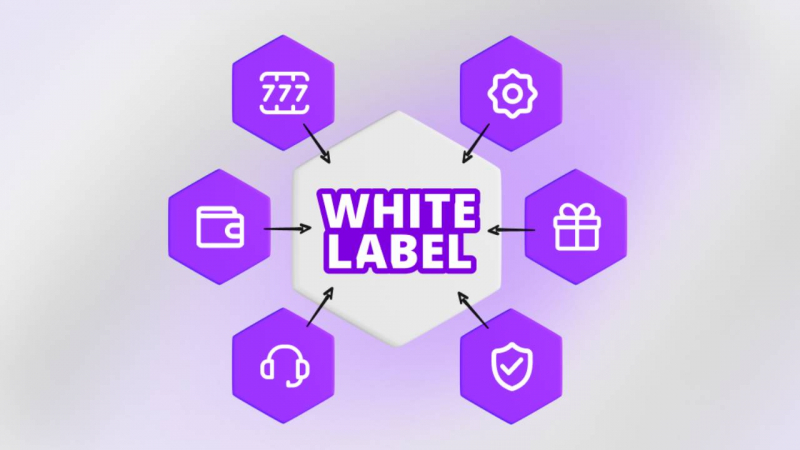
Before signing anything, operators can sanity-check the platform with a short, practical checklist. It doesn’t replace due diligence, but it catches common weak spots early on. It also forces alignment between product, compliance, and finance teams before launch. That kind of alignment keeps the plan honest when pressure rises.
- A unified wallet that supports sportsbook, casino, and promotions without manual reconciliation work.
- Role-based access so trading, support, and marketing teams don’t collide in production.
- API-first integrations for games, KYC, payments, and analytics tools you already rely on.
- Multi-brand controls that separate skins and promos while sharing infrastructure and monitoring.
- Reporting dashboards that answer revenue questions without exporting and merging endless spreadsheets.
- Localization options for currency, language, and content rules across U.S. and EU markets.
Modularity also makes partnerships and migrations less painful over time for operators. When you add a new odds feed or game studio, you need predictable data structures. You should also get clear documentation, versioning, and support that doesn’t vanish after go-live. That’s how a white-label gambling platform stays useful long after launch week.
US Sweepstakes Compliance And State-By-State Requirements That Don’t Surprise You
Regulatory work is where “almost ready” projects tend to stall or restart. In the U.S., rules can differ sharply, which raises product questions quickly. If you’re using promotional mechanics, you need a plan for US sweepstakes compliance. Start by reviewing sweepstakes laws by state to frame early decisions.
Compliance isn’t just legal wording; it becomes product behavior inside your platform. You’ll need rule enforcement across registration, payments, and promotions, not separate patches. State-by-state requirements should be configurable, logged, and easy to update when guidance changes. You also need eligibility & age limits checks that apply before any sensitive step.
In the EU, expectations often center on safer play, data practices, and transparent reporting. Operators face different regulators and guidance, sometimes across multiple countries and languages. That means controls should live inside workflows, not in spreadsheets or side tools. When compliance is built in, your teams move faster with fewer surprises later.
Operational Control For White-Label Gambling Platform Teams Under Pressure
A strong launch is great, but operations decide whether the brand survives year two. The pain points are settlement speed, verification queues, chargebacks, and dispute handling. Those issues rarely show up in marketing copy, yet they shape player trust. When trust drops, retention tends to fall right along with it.
Risk teams also need tools that fit the pace of live events and real customers. They want exposure views, limits, and fast rule edits, without digging through menus. A good system supports automated rules plus manual overrides for edge cases. That flexibility protects margin when betting behavior changes mid-match.
Security deserves the same attention you’d give a financial product, because that’s what it is. Look for encryption, access controls, sensible logging, and monitoring that flags unusual behavior early. Strong security also supports responsible controls, since data accuracy matters for limits. When it’s done well, the whole operation feels calmer for everyone involved.
Conclusion: Choosing The White-Label Gambling Platform That Keeps Options Open
TechRaisal readers compare software by outcomes, not by shiny feature lists. The right stack should support your pace, your market plan, and your internal workflows. A white-label gambling platform works best when it stays flexible as rules and products evolve. If it’s predictable, your teams can focus on growth instead of triage.
If you’re choosing between building and buying, be blunt about time and staffing. The best vendors shorten the road without taking the steering wheel from you. You still own the brand experience, risk posture, and day-to-day decisions at every stage. The platform makes execution smoother, week after week, for everyone involved.
Post Comment
Be the first to post comment!