Why product verification has become a strategic issue, not a compliance task

Product verification used to sit quietly in the background. For many brands, it was something you worried about only after a counterfeiting incident or a marketplace takedown. That framing no longer holds.
Today, verification sits at the intersection of trust, operations, and scale. Marketplaces are more aggressive about enforcement. Buyers are more skeptical. Supply chains are more distributed. At the same time, platforms have made verification visible to customers, not just sellers.
This shift explains why conversations around the top benefits of getting your product verified on a "site Name" and where those benefits actually apply have become more common among mature brands. Verification is no longer only about stopping bad actors. It increasingly shapes how products are discovered, trusted, and defended across channels.
What “product verification” actually means in practice
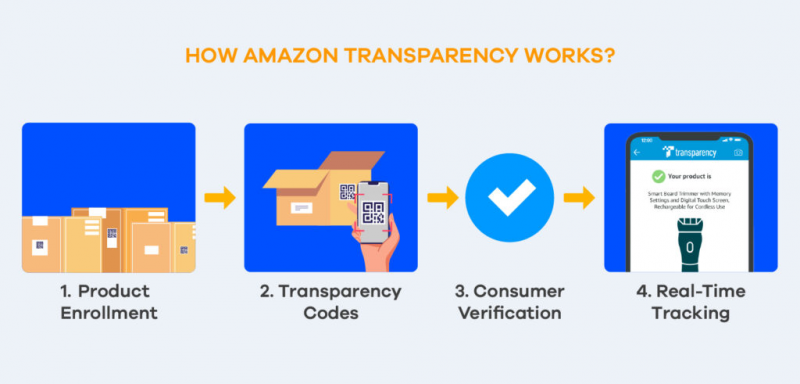
Product verification is not a single mechanism. In most modern programs, including Amazon Transparency, verification relies on unit-level or batch-level identifiers that can be checked against an authoritative system before a product is listed, shipped, or accepted by a customer.
In the case of Amazon Transparency, brands apply unique serial codes to each unit or link existing serials. These codes are validated before fulfillment, regardless of whether the order is handled by Amazon or a third-party seller. Products without valid codes are blocked from shipment or listing.
The important distinction is that verification operates before failure, not after. Instead of reacting to counterfeit complaints or incorrect listings, verified systems prevent those units from entering circulation in the first place.
The most concrete benefit, counterfeit prevention that actually scales

Counterfeit protection is the benefit most often cited, but it is worth explaining why verification programs are meaningfully different from older enforcement tools.
Traditional brand protection relied on takedowns, legal notices, or reactive monitoring. Verification flips this model. Only authenticated units are allowed to move through the system. Listing hijacks, international diversion, and incorrect variations are stopped automatically because the product itself fails validation.
Amazon reports that more than 2.5 billion units have been protected through Transparency, with over 88,000 enrolled brands operating across multiple countries. That scale matters because counterfeit risk increases with distribution breadth, not volume alone.
What makes verification effective is not just blocking bad units. It also produces evidence trails, showing where and why failures occur, which older enforcement tools rarely provided.
Where verification starts influencing customer trust
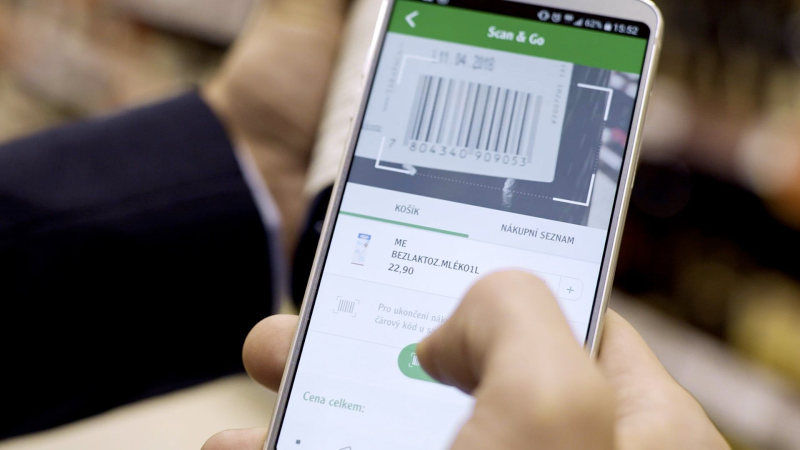
Verification has become customer-facing in ways it was not a few years ago. Badges, scan results, and post-purchase confirmation now appear directly in buying and ownership moments.
When customers scan a verified product and receive a clear confirmation of authenticity, the interaction reinforces reliability at the exact point where doubt often appears. This is especially relevant for categories with high return rates or frequent variation issues, such as health products, electronics, and consumables.
Over time, this trust compounds indirectly. Verified products tend to experience fewer authenticity complaints, lower return rates tied to incorrect items, and more consistent reviews. Customers may not articulate verification as the reason, but they associate the brand with fewer surprises.
Operational visibility that most brands underestimate
One of the least discussed benefits of verification programs is supply chain intelligence.
Because codes are applied at unit or batch levels, brands gain visibility into where failures originate. Patterns emerge around specific manufacturing runs, fulfillment partners, or regions. Instead of guessing why returns spike or complaints cluster, teams can trace issues back to precise points in the chain.
This kind of insight is particularly valuable for brands operating across multiple markets. Programs like Amazon Transparency apply protection globally once enrolled, without requiring per-country setup. That consistency reduces operational overhead and makes international expansion less fragile.
How verification benefits map to real outcomes
The value of verification becomes clearer when framed as outcomes rather than features.
| Benefit Area | What Changes in Practice | Why It Matters |
| Counterfeit prevention | Invalid units are blocked before listing or shipment | Reduces reactive enforcement and brand risk |
| Customer trust | Buyers see confirmation of authenticity | Fewer returns and stronger brand association |
| Supply chain insight | Batch-level visibility into defects and failures | Faster root-cause analysis and fixes |
| Marketplace access | Verified products face fewer listing disruptions | Enables smoother scaling across regions |
This framing helps avoid overstating verification as a cure-all. It is not a growth lever by itself, but it stabilizes the systems growth depends on.
Where verification works best, and where it does not
Verification delivers the most value in environments where scale and openness create risk. Large marketplaces, cross-border sales, and categories prone to imitation benefit disproportionately.
That said, verification is not universally necessary. For brands with limited distribution, highly controlled channels, or early-stage products still refining positioning, the cost and operational effort may outweigh immediate gains.
The key is alignment. Verification should support how and where a product is sold, not act as a signal in search of a problem.
A brief look at alternatives and complements
Not all verification systems operate the same way, and some solve adjacent problems rather than identical ones.
| Platform | Primary Focus | Best Use Case | Key Limitation |
| Amazon Transparency | Unit-level authentication | Marketplace counterfeit prevention | Amazon ecosystem only |
| Verified by GS1 | Product data accuracy | Cleaner catalogs across retailers | Less consumer-facing |
| Trustpilot verification | Review authenticity | Social proof and conversions | No physical product checks |
| Legit Check | AI and expert authentication | Luxury and resale markets | Niche category focus |
These systems are often complementary rather than competitive. Many mature brands use more than one, depending on channel and risk profile.
What enrollment actually requires
Most verification programs are gated behind basic brand ownership and data requirements. Using Amazon Transparency as an example, brands must be enrolled in Brand Registry, hold active trademarks, and provide valid product identifiers.
The enrollment flow itself is structured and review-driven. Programs typically require proof of code accuracy, often at thresholds such as 98 percent operational accuracy, before protections are fully enforced. Ongoing compliance matters more than initial approval.
Costs tend to sit at the unit level rather than as flat fees. This makes verification more economical at scale and more expensive for very small runs.
When verification becomes a competitive advantage
Verification turns into an advantage when it quietly removes friction that competitors still deal with. Fewer counterfeit complaints. Fewer listing disruptions. Fewer customer trust issues that require explanation.
These benefits do not always show up immediately in revenue charts. They appear in smoother launches, faster international expansion, and fewer operational fires. Over time, those differences compound.
This is where the top benefits of getting your product verified on a "site Name" and where they apply most clearly reveal themselves. Verification works best when it supports existing momentum rather than trying to create it.
The closing reality most brands overlook
Product verification is not about signaling quality. It is about enforcing reality at scale.
When implemented thoughtfully, verification systems reduce uncertainty for marketplaces, customers, and internal teams alike. When adopted performatively, they add cost without clarity.
The difference lies in intent. Brands that treat verification as infrastructure tend to see durable benefits. Those that treat it as a badge often struggle to justify it.
That distinction, more than any feature list, determines whether verification is worth the effort.
Post Comment
Be the first to post comment!