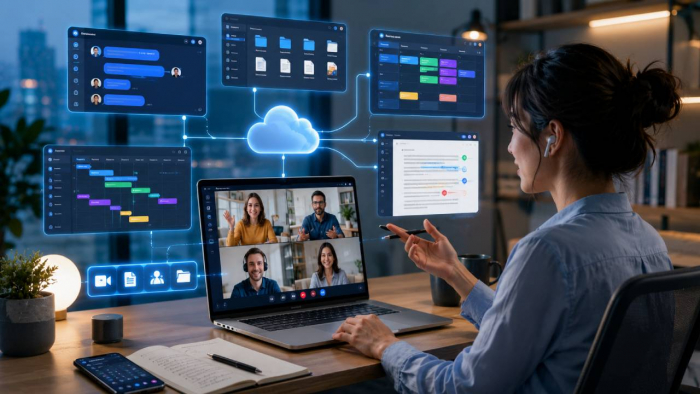
In recent years the way in which people absorb and enjoy entertainment has changed out of all recognition. As with so many other areas of life, interactivity has proved to be the key to this in the form of smart devices.
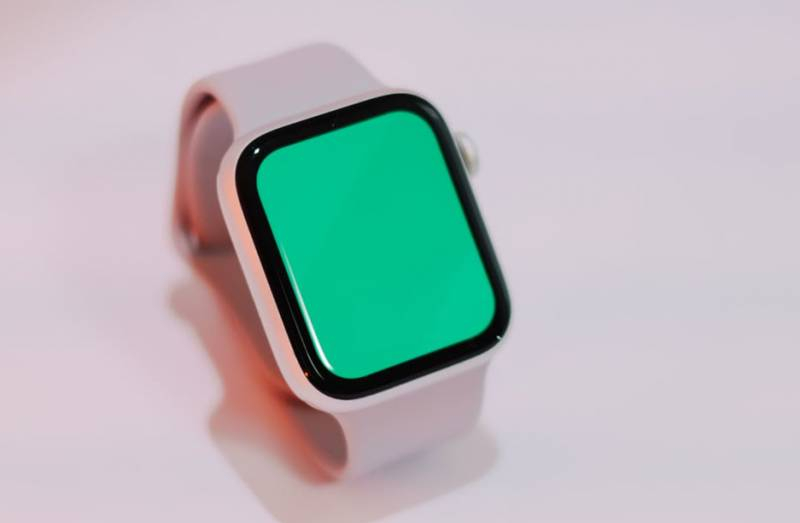
These range from TVs that connect directly to the internet to wearable devices that fulfil a very wide range of functions from health checks to receiving streaming services. To appreciate the popularity of these devices one only has to look at the revenue that they generate. In 2025 the global smart devices market was estimated to be worth nearly $878 billion. In a decade’s time, by 2035 this figure is set to rise to $1.76 trillion.
But these devices aren’t just cash cows for the companies that develop, design and make them. They also generate huge amounts of data that can provide invaluable insights into their users’ lives, habits and preferences. This, in turn, can be used to offer more of what they want, when they want to receive it.
Entertainment analysed
The legendary screen writer William Goldman once famously pronounced that in Hollywood no-one knows anything. He didn’t literally mean that Tinseltown is universally populated by the ignorant. Rather he was pointing out that no studio could ever really be sure whether a movie would break box-office records or be a huge flop.
Nowadays when so much entertainment, whether it’s movies, TV shows, podcasts or music, is received via smart devices this has started to generate huge amounts of data which can then be analysed and used.
So that’s why, no sooner have you finished binge-watching a box set than a streaming service will come up with suggestions about similar shows you might like. These shows, and movies too, will also have been fine tuned by viewer behaviour on other similar ones. For example, if the streamer finds that a good proportion of viewers drop out at seven minutes into a show or movie they then instruct showrunners to make sure there’s a compelling story beat at this precise moment in their own scripts.
Ahead of the game
Gaming is another area that makes extensive use of analytics and this is now being enhanced even further thanks to the emergence of AI.
In the case of games this is achieved in a number of ways that all work to monitor player behaviour. A certain amount is achieved through built-in software which is augmented by connected applications alongside external tracking hardware. As to what exactly is being tracked this ranges from the length of time that a game is being played, the peak hours of the day when players are engaging and whether there are any common times when players tend to drop out. This is all invaluable research that would otherwise only be possible in a situation in which players could be observed in a controlled environment – and therefore might not be as accurate or realistic.
The online casino sector has also been showing great interest in harnessing this kind of information about its players and the emergence of the “live casino” experience has been of great benefit to this. The use of streaming technology that transmits a live dealer controlling games of roulette, blackjack or baccarat gives a perfect picture of player behaviour right down to the individual level.
So, many of the online casinos in Canada that can be found on a respected review site like Casino.ca will soon be in a position to offer players a bespoke experience like never before. This is sure to be a very strong selling point to help them stand out in what is a very competitive market place.
Slaves to the algorithm?
One might think that even with this level of data being harvested, the algorithms used to process and use it effectively might often produce results that are wide of the mark. But AI assisted technology is advancing so quickly that they are increasingly nuanced in their suggestions and results.
So compared with the broad strokes that many of us will have seen evidence of in the past there is an ever-increasing accuracy that is replacing them.
Too much information?
However, the fact that smart devices are garnering so much data is definitely causing disquiet in some quarters. There is a feeling among some people that too much of our personal information is being collected for unknown purposes. And, although it may largely be in the minds of conspiracy theorists, the smart speakers that are in the homes of an estimated 72 million Americans may also be gathering information not from what they are asked, but also from what they hear in the course of a day.
But it’s certainly true that the smart device genie has been decisively let out of its lamp – and putting it back in again is not going to happen anytime soon.
Post Comment
Share your thoughts about this article.
Be the first to post a comment!