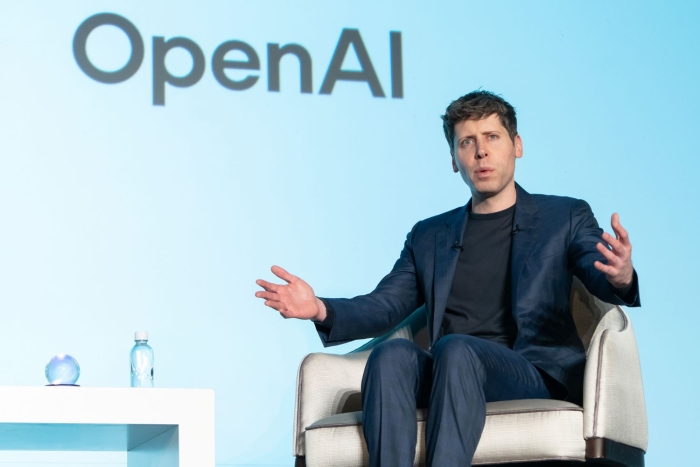
OpenAI and Microsoft have amended their partnership again, in a move that clears a major legal cloud over OpenAI’s reported $50 billion Amazon arrangement and gives the ChatGPT maker more freedom to distribute its products beyond Azure.
The new agreement gives Microsoft a nonexclusive license to OpenAI’s models and products through 2032, while OpenAI can now serve all of its products across any cloud provider. Microsoft remains OpenAI’s primary cloud partner, and OpenAI products are still expected to ship first on Azure unless Microsoft cannot support the required capabilities.
The biggest shift is exclusivity. Microsoft previously held exclusive rights around OpenAI intellectual property and API access, which created tension after OpenAI moved closer to Amazon.
Under the amended deal, Microsoft’s license continues, but it is no longer exclusive. That means OpenAI can work with other cloud providers, including Amazon Web Services, without the same legal uncertainty that surrounded its earlier agreement.
Microsoft also no longer has to pay revenue share to OpenAI. OpenAI, however, will continue paying revenue share to Microsoft through 2030, with payments subject to a cap. Microsoft also remains a major shareholder in OpenAI, giving it continued financial exposure to OpenAI’s growth.
The tension began after OpenAI announced a major Amazon partnership. According to TechCrunch, Amazon’s deal included up to $50 billion tied to investment and commercial terms, including work around AWS Bedrock and agent infrastructure. The deal involved OpenAI building stateful runtime technology on AWS, which is important for AI agents that need to remember context and tasks over longer periods.
The problem was that Microsoft had previously said Azure remained the exclusive cloud provider for stateless OpenAI APIs and that OpenAI first-party products, including Frontier, would continue to be hosted on Azure. Microsoft’s February statement also said its IP and revenue-sharing terms were unchanged at the time.
That created a possible conflict between OpenAI’s Amazon ambitions and Microsoft’s existing rights. The new agreement appears to resolve that conflict by allowing OpenAI to serve its products across cloud providers while keeping Microsoft as the primary cloud partner.
This is not a clean loss for Microsoft. It gives up some exclusivity, but keeps several valuable positions.
Microsoft remains OpenAI’s primary cloud partner. OpenAI products are still expected to come first to Azure in most cases. Microsoft also keeps access to OpenAI IP through 2032, continues receiving revenue share from OpenAI through 2030, and remains a major shareholder.
The deal also protects Microsoft from being too dependent on exclusivity. As AI infrastructure becomes more fragmented, Microsoft can still benefit from OpenAI’s growth while also building relationships with other AI companies and expanding its own Copilot ecosystem.
For businesses, the practical impact is choice. Enterprises that already use AWS, Azure, or hybrid cloud environments may eventually get more flexibility in how they access OpenAI models and agent tools.
That matters because AI adoption is no longer just about model quality. Companies also care about cloud contracts, data residency, latency, security, compliance, and integration with existing systems. If OpenAI products become easier to access across more cloud platforms, buyers may have fewer infrastructure constraints.
The amended Microsoft OpenAI agreement signals a new phase in the AI infrastructure race. OpenAI wants more compute, more distribution, and more negotiating room. Microsoft wants to protect its long-term financial and strategic upside without blocking OpenAI’s expansion.
Amazon, meanwhile, gains a clearer path to bring OpenAI models and related agent infrastructure into AWS. That could make the cloud AI market more competitive, especially as enterprises compare Azure, AWS, Google Cloud, Anthropic, and other model providers.
The new Microsoft OpenAI agreement does not end their partnership. It modernizes it. Microsoft keeps major financial and technical advantages, while OpenAI gains the flexibility it needs to work with Amazon and other cloud providers.
The real shift is that OpenAI is no longer tied as tightly to one infrastructure partner. In a market where AI progress depends on massive compute capacity, that flexibility may be as important as the models themselves.
Share your thoughts about this article.
Be the first to post a comment!