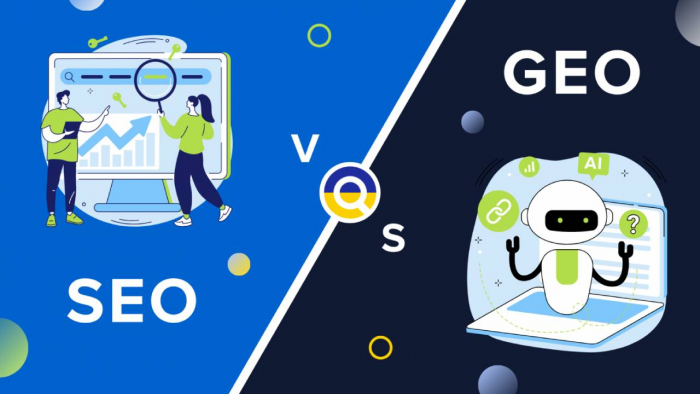
The way we discover things online is shifting beneath our feet. We used to spend all our effort chasing keywords, hoping for a single click on a link. That era is quickly disappearing. Now, users simply type a question, and an AI provides a complete, instant answer.
This is a total transformation of human curiosity. Well, the industry is taking note of this change. A recent report found that 41% of SEO professionals now prioritize AI-generated answers. They are focusing on these over traditional website rankings.
You are no longer just fighting for a spot on a search results list. The competition now is for the AI's citation. To maintain strong visibility as search changes, you must truly understand the rules of both the old world and the new AI landscape.
Understanding Traditional Search Engine Optimization
Traditional SEO is the classic way to manage a digital presence. The core idea is to make a website the best possible answer for a searcher. This begins with understanding a user's search intent. Then you must focus on writing helpful, honest content.
The technical side is just as important. Your site should be fast and easy for search engines to read. Earning links from other trusted sites also acts as a vote of confidence. This whole process is simply a consistent effort to earn natural traffic.
Defining Generative Engine Optimization (GEO)
Generative Engine Optimization (GEO) is a new field. It focuses on adapting a website for use by Artificial Intelligence (AI) and Large Language Models (LLMs). Unlike traditional SEO, the aim is not just a high ranking.
The main goal, instead, is to become the authoritative place the AI actually trusts. This means the content must be neatly organized with clear headings and deliver very direct, unambiguous answers. The overall strategy is to ensure that the AI chooses a website to summarize topics for users. This makes the site the "source of truth.”
Six Key Differences Between GEO and Traditional SEO
Clicks Versus Citations
Traditional search strategies are designed to drive traffic. You want the user to leave the search results page and visit your domain. Generative optimization has a different focus. Its goal is to get your brand cited or summarized directly within the AI interface. Visibility is achieved through your presence in the final answer itself. It is a shift from being a destination to being a proper source.
Keyword Density Versus Information Density
Standard optimization often emphasizes specific keywords and hierarchical headings. Generative models look for something different. They favor high information density. They want clear, authoritative statements they can quote. This requires content that provides verifiable facts rather than broad marketing language. Many organizations are now turning to generative engine optimization services to help them restructure their data. This ensures their content is easy for a machine to parse and summarize.
Traffic Metrics Versus Presence Metrics
In the past, you measured success through rankings and session counts. With generative engines, these metrics are less relevant. You now look for how often your brand appears in AI-generated summaries. You track your "share of voice" within the AI response. Success is defined by how often the model chooses your information over a competitor's.
The Active Versus Passive User Journey
Traditional search assumes a path of "search, scan, and click." The user evaluates different websites. In the generative journey, the AI evaluates the user's input. This means you must establish your authority before the search even happens. You want to be the undisputed expert that the AI cannot afford to ignore when it generates a response.
Keyword Matching Versus Contextual Intent
Traditional search engines primarily match specific keywords to indexed pages. They look for terms in titles and headers to determine relevance. Generative models work differently. They focus on the conversational intent behind a question. These engines analyze the entire context of a prompt to synthesize a personalized answer. It means your content must be deeply informative. It should provide direct value rather than just matching a list of popular search terms.
Static Results Versus Conversational Flow
Traditional search is a one-way interaction. You type a query and get a static list. Generative search is a conversation. Users often ask follow-up questions to refine their results. This requires your content to be comprehensive. It must handle secondary inquiries naturally. It is no longer enough to answer just the first question. You must provide a narrative that covers the topic in depth.
Conclusion
Search is changing faster than we realize. You need to ask if your current strategy still meets the moment. Take a moment to review your content. Focus on becoming a reliable source. Ask yourself: Is my website positioned to become that trusted source? If not, then it’s about time you did something about it.
Post Comment
Be the first to post comment!