Generative AI has become a key driver of digital transformation across industries. Companies use it to create content, automate processes, and improve customer experience. However, implementing such solutions requires not only technology but also specialized expertise that many teams simply don’t have in-house.
As a result, more businesses are turning to outsourcing as a way to adopt AI quickly without heavy investments. Let’s take a closer look at what this approach involves and when it makes the most sense.
What Is Generative AI
Generative AI refers to technologies that create new content based on existing data. Unlike traditional AI, which primarily analyzes information, generative models actually produce outputs such as text, images, code, or audio.
How It Works
At the core are large language models (LLMs) and other architectures trained on massive datasets. These systems can understand context and generate responses that closely resemble human output.
Where It Is Used
Today, generative AI is widely applied in marketing, e-commerce, fintech, and customer support. For example, it can generate content, handle customer queries, or assist developers with coding tasks.

What Is Generative AI Outsourcing
Generative AI outsourcing means delegating the development and implementation of AI solutions to an external team. Instead of building an in-house AI department, companies partner with vendors that already have the required expertise.
What Is Typically Outsourced
This usually includes custom model development, fine-tuning existing solutions, building AI chatbots, or integrating AI into current products.
This approach is especially useful when companies want to validate an idea quickly or launch an MVP without investing in hiring and infrastructure.
Why Companies Choose Generative AI Outsourcing
One of the main reasons is the shortage of skilled AI professionals. Outsourcing provides immediate access to experienced specialists with hands-on knowledge of real-world projects.
Cost Efficiency
Building an internal AI team requires significant investment. Outsourcing helps reduce costs associated with hiring, training, and maintaining infrastructure.
Faster Time-to-Market
Vendors rely on established workflows and tools, which allows businesses to move from concept to deployment much faster — an important advantage in competitive markets.
Flexibility
Outsourcing makes it easy to scale teams up or down depending on project needs, without long-term commitments.
Key Generative AI Outsourcing Services
Businesses increasingly demand AI solutions tailored to their specific needs. In this context,
custom generative AI development services cover the full lifecycle — from idea to deployment.
Model Fine-Tuning
Pre-trained models often need to be adapted to a specific domain. Fine-tuning improves accuracy and relevance for particular use cases.
AI Chatbot Development
Intelligent assistants help automate communication and enhance customer experience while reducing the workload on support teams.
AI Integration
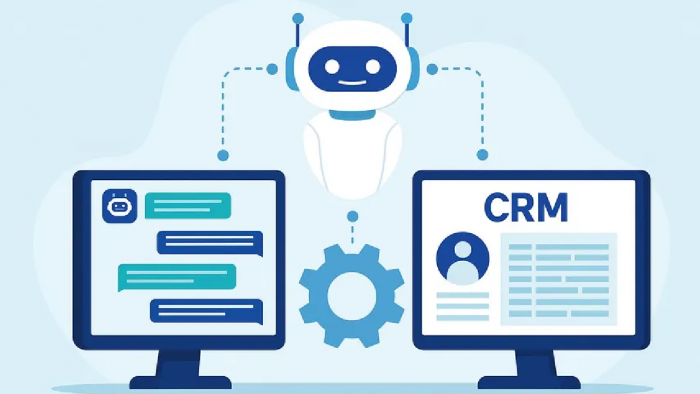
AI solutions can be embedded into existing systems such as CRMs, mobile apps, or web platforms, extending their capabilities.
Benefits and Limitations
Outsourcing enables quick access to advanced technologies, reduces costs, and accelerates development. It is particularly valuable for companies just starting with AI.
Potential Challenges
At the same time, businesses should consider vendor dependency and data security concerns. Without proper oversight, quality issues may also arise.
How to Choose the Right Partner
Choosing the right vendor is critical to project success. Beyond technical skills, the partner should understand your business goals and industry specifics.
Key Criteria
A strong outsourcing partner should have proven AI experience, transparent processes, and clear communication. Data security and compliance standards are equally important.
When Should You Use Generative AI Outsourcing
Outsourcing is especially relevant when a company lacks in-house AI expertise or needs to bring a product to market quickly.
It is also a good option for pilot projects where testing an idea with minimal risk and investment is a priority.
Conclusion
Generative AI outsourcing is more than just a cost-saving approach—it is a strategic way to adopt innovation. It enables companies to leverage cutting-edge technologies without building complex internal infrastructures.
With the right partner, outsourcing becomes a powerful tool for growth and competitive advantage in an increasingly AI-driven world.
Post Comment
Share your thoughts about this article.
Be the first to post a comment!