Behavioral health practices have a different set of problems than general medical offices. Therapy and psychiatry workflows depend on recurring appointments, nuanced documentation, frequent prior authorizations, payer-specific billing rules, and consistent patient engagement between visits. A generic EHR can “work,” but it often forces clinicians and staff into awkward workarounds.
Valant (Valant.io) positions itself as an all-in-one, cloud-based EHR and practice management platform designed specifically for mental and behavioral health. In this review, I’ll walk through what Valant does well, where it may feel heavy or expensive, and which types of practices are most likely to benefit.
At a Glance

What it is: Behavioral health EHR + practice management platform with integrated patient experience tools (MYIO portal), billing support, and telehealth.
Best for: Group practices and clinics that want tight integration between documentation, scheduling, billing, and patient engagement—especially those planning to scale.
Potential drawbacks: Quote-based pricing, possible learning curve, and “all-in-one” complexity that can feel like overkill for lean solo setups.
What Valant Is Trying to Solve
Most EHR reviews focus on features. A more useful lens is: What operational friction does the product remove? Valant’s product story is consistent across its pages: help behavioral health practices deliver quality care while keeping business operations running smoothly, with a specific emphasis on reducing administrative overhead and enabling growth.
From a practical standpoint, Valant is built around three connected needs:
1. Clinical documentation that fits behavioral health (notes, treatment planning, assessments, outcome tracking workflows)
2. Operations that don’t require five separate tools (scheduling, billing, reporting, intake, eSignature, payments)
3. Patient participation that actually sticks (portal + communication + telehealth access in one place)
If your practice feels like it’s held together by a calendar app, a telehealth link, a form tool, a payment processor, and an EHR that doesn’t talk to them cleanly—Valant’s “one cohesive system” angle will appeal immediately.
Core Features and What They Mean Day-to-Day
1) Behavioral Health EHR and Documentation

Valant is designed for behavioral health workflows, which typically means:
● Documentation templates that reflect common therapy and psychiatric note structures
● Treatment planning and assessments built into the clinical workflow
● A system that assumes recurring sessions and long-term care plans, not one-off office visits
In day-to-day operations, the big win is consistency: clinicians can standardize how notes and plans are recorded, supervisors can review documentation with fewer format surprises, and admin staff have fewer gaps to chase down when billing is triggered by what happened in the session.
2) Scheduling and Practice Management
Valant includes practice management features that typically cover:
● Scheduling and appointment management
● Patient onboarding workflows (intake, consent forms, eSignature)
● Reporting and operational visibility (productivity, revenue cycle tracking)
The value here is less about having a calendar and more about linking scheduling to the rest of the business: appointments feed documentation, and documentation feeds billing, and billing feeds statements and payments.
3) Billing and Revenue Cycle Tools
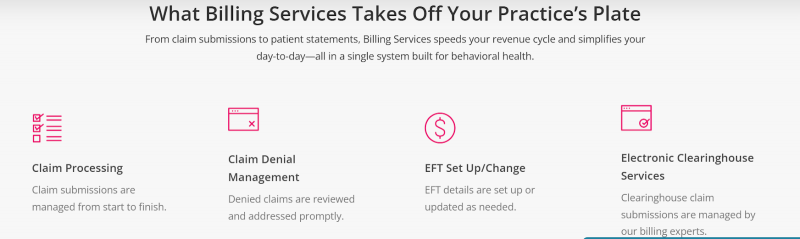
Billing is where behavioral health practices often feel the most pain: payer rules, frequent denials, eligibility issues, and the constant need to keep claims moving.
Valant highlights billing automation that reduces manual work—for example, generating a bill when services are scheduled (with staff approval). It also promotes an integrated clearinghouse approach that aims to reduce claim exports, remittance uploads, and eligibility errors by keeping workflows inside the EHR.
One noteworthy theme in Valant’s billing materials is behavioral health specificity. The platform emphasizes that generic charge-checking systems don’t reflect behavioral health nuances, and it offers tools aimed at reducing charge errors before submission.
Claim Assist (for claim review automation)
Valant promotes “Claim Assist” as a billing helper that applies payer-specific rules and automates claim reviews. The pitch is straightforward: fewer preventable errors, faster submissions, and less staff time spent scanning for issues that a rules engine can catch.
For growing clinics—especially those expanding IOP/PHP or handling complex billing scenarios—this kind of pre-submission review can be a meaningful operational advantage.
4) MYIO Patient Portal: The Patient Experience Layer
Valant’s patient experience features are centered on MYIO, its patient portal and mobile app. In practice, portals only matter if patients actually use them, and the design goal here is “one place for everything”:
● View statements and make payments
● Update payment info
● Request or view appointments
● Complete intake forms, sign documents, fill out forms
● Join telehealth sessions directly (no separate meeting links or third-party logins)
For many practices, the portal is the difference between a front desk constantly answering routine questions versus patients self-serving common tasks. When implemented well, this can reduce staff workload and improve the patient’s sense of control over their care.
5) Integrated Telehealth
Valant offers integrated telehealth designed to be seamless inside the workflow: scheduled sessions connect to visit access without relying on external link management.
A specific operational detail worth noting is pre-visit payment collection (“AutoPay pre-visit” is highlighted in Valant’s telehealth materials). Even if your practice doesn’t require payment before every session, having flexible payment options can reduce end-of-month statement chasing, especially for high-volume clinics.
In real-world terms, integrated telehealth is valuable when:
● You want fewer tools and fewer “Where’s the link?” problems
● You want staff to manage scheduling changes without re-sending meeting details
● You want telehealth to feel like part of care delivery, not a separate add-on
Pricing: What to Expect
Valant uses a request-a-quote pricing approach and describes its pricing as flexible and tiered based on practice needs and growth. In plain language: you won’t get a simple public price list, and your cost will depend on your practice size, feature bundle, and possibly implementation/services.
This model is common in clinic-focused platforms, but it’s a real downside if you’re trying to compare options quickly. It also means you should prepare a list of requirements before talking to sales so the quote reflects what you truly need.
If you’re price-sensitive (many solo clinicians are), the quote-based approach can be frustrating. If you’re running a clinic and primarily care about total operational impact (billing efficiency, reduced admin time, fewer missed appointments), value may matter more than a low sticker price.
What Valant Does Especially Well
1) Behavioral health-first design
Valant is not trying to be everything to everyone. The platform’s messaging, feature focus, and add-ons are clearly shaped around mental and behavioral health practice realities—especially documentation, recurring care, and payer nuance.
2) Strong “system cohesion”
The most compelling reason to choose Valant is the integrated ecosystem: EHR + scheduling + billing + portal + telehealth + payments. If your current workflow is fragmented across multiple tools, consolidation can reduce errors and save time.
3) Patient experience emphasis (MYIO)
Many EHRs treat the patient portal as a checkbox. Valant treats it as a centerpiece—payments, forms, appointment participation, telehealth access, and communication in one place.
4) Revenue cycle support for growth
For practices that are expanding headcount, adding programs, or increasing visit volume, tools that reduce claim errors and speed up billing workflows can have outsized ROI.
Where Valant May Not Be Ideal
1) Quote-based pricing and potential cost concerns
Not having transparent public pricing makes it harder to budget up front. It can also be a dealbreaker for very small practices that want a predictable, low-cost monthly plan.
2) Complexity for solo or minimalist practices
“All-in-one” systems often come with deeper configuration and more clicks than minimalist EHRs. If you run a very lean solo practice and don’t need advanced billing workflows, Valant may feel like more platform than you need.
3) Implementation and change management
Any full-scale EHR switch requires training and workflow redesign. Valant’s strength (integration) also means the switch can be broader: scheduling, portal adoption, billing workflows, and documentation standards all change together. That’s a big lift unless your team is ready.
Real User Feedback
What users praise
● Behavioral-health-specific design: Many clinicians say Valant “is designed for us,” noting that built-in outcome measures, adult/child intake options, symptom screeners, and behavioral-health-focused templates save significant documentation time.
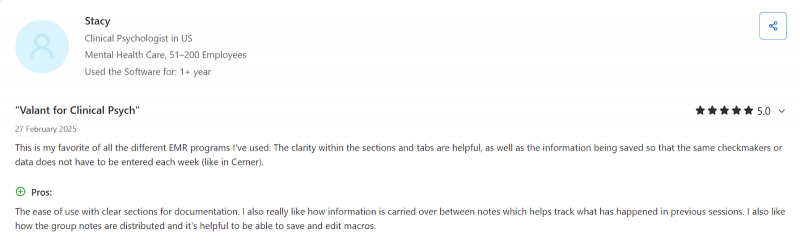
● Efficient workflows for scheduling, billing, and outcomes: Users frequently highlight smooth calendars, macros for pre-documenting notes, and strong scheduling tools that make day-to-day practice operations easier.
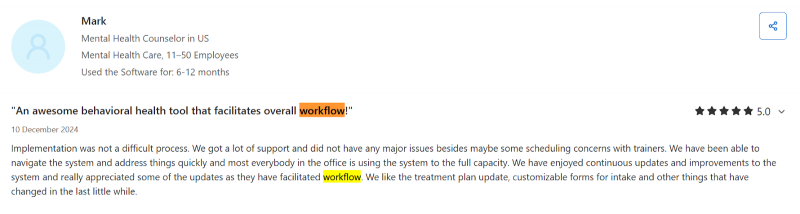
Billing staff report that managing claims, ERAs, and denials in Valant allows them to complete work “very quickly in a short amount of time,” with fewer manual errors and faster insurance submissions.
● Time savings and integrated features: Many reviews mention that the system is intuitive once learned and “saves me time in documentation,” especially with integrated outcome measures and clinical history forms that can be completed before sessions.
Where users struggle
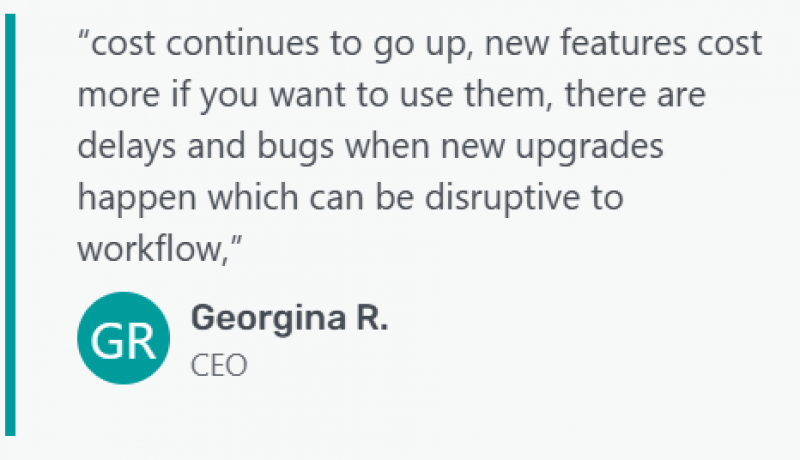
● Pricing and value for money: A major recurring pain point is cost: a majority of reviewers on some platforms feel negative about Valant’s value for money, citing high subscription costs, additional fees for integrated services, and price increases over time.
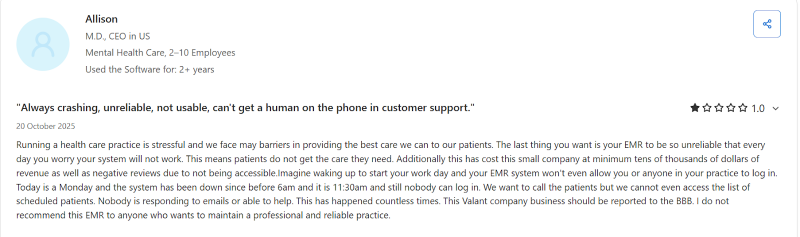
● Customer support responsiveness: Multiple users describe slow or inconsistent support, mentioning that tickets can take “weeks to respond” and that some technical issues (for example, long-standing e-prescribe problems) remained unresolved for years.
● Usability gaps and feature overkill: Some clinicians feel the system has “too many features” or is “over‑engineered” for simple needs, leading to a steeper learning curve and extra clicks for small practices that just want straightforward notes and billing.
● Fit for solo vs group practices: Several reviewers point out that certain capabilities and configuration options seem aimed at group or enterprise environments, making parts of the system unnecessary or cumbersome for solo practitioners.
Who Should Consider Valant?
Valant tends to be a strong fit if you are:
● A group practice or clinic that wants EHR + billing + portal + telehealth in one platform
● A practice that needs behavioral health-specific billing tools and fewer claim issues
● A clinic planning to scale and wanting a system that grows with it
● A practice that wants to reduce admin burden by pushing forms, payments, and telehealth access into a patient portal
You may want to look elsewhere if you are:
● A solo provider who wants the simplest possible documentation and scheduling tool
● Highly price-sensitive and prefer transparent, low-cost flat-rate plans
● Not ready for a larger implementation effort across multiple workflows
Questions to Ask During a Valant Demo
If you’re seriously evaluating Valant, a demo is where you separate marketing from fit. Here are high-impact questions:
1. Documentation workflow: How many clicks does a typical therapy note take? Can templates be customized without breaking reporting?
2. Billing workflow: What’s the workflow from appointment → charge → claim submission? What gets automated vs. what requires staff approval?
3. Claim Assist details: What rules are included, how often are they updated, and how do you customize them for your payer mix?
4. MYIO adoption: What does the patient onboarding experience look like? Can you brand messages, automate reminders, and track completion rates?
5. Telehealth reliability: What happens if a patient can’t join? What’s the support path? Is there a backup flow?
6. Implementation plan: What training is included? What is the migration process for existing charts and documents?
7. Reporting: Can you easily pull productivity and revenue cycle reports without exporting everything to spreadsheets?
Final Verdict
Valant is a serious, behavioral health-specific platform built for practices that want operational control—not just a place to store notes. Its strengths show up most clearly when you need tight integration across scheduling, documentation, billing, patient intake, payments, and telehealth. The MYIO portal and billing-focused tools make it especially appealing for clinics trying to reduce administrative load while improving the patient experience.
The trade-off is that Valant’s quote-based pricing and “clinic-grade” depth may be more than what a minimalist solo practice wants. But for group practices and growth-minded organizations, Valant can be a strong candidate—particularly if billing efficiency and patient engagement are top priorities.
FAQs
1. Is Valant.io an EHR?
Yes. Valant.io is a cloud-based EHR designed for behavioral and mental health practices, with documentation and clinical workflow tools.
2. Does Valant include billing?
Yes. Valant includes billing and revenue cycle workflows and offers features aimed at reducing claim errors and improving billing efficiency.
3. Does Valant have telehealth?
Yes. Valant offers integrated telehealth, allowing providers to conduct virtual visits within the platform.
4. What is MYIO in Valant?
MYIO is Valant’s patient portal and mobile app that supports intake forms, payments, appointment access, and telehealth visit joining.
5. Is Valant good for solo therapists?
It can be, but Valant is often a better fit for group practices or clinics that need integrated billing and operational tools. Solo providers who want simplicity may find it more complex than necessary.
Post Comment
Be the first to post comment!