The Rise of an Offline Transfer Giant
Xender emerged in 2012 to address a universal pain point: slow, cumbersome file transfers. Before its time, moving large files between phones or to a PC often meant hunting for cables or enduring glacial Bluetooth speeds. Xender’s introduction of ultra-fast, offline sharing quickly made it a global phenomenon, appealing directly to users needing efficiency without relying on costly or unreliable mobile data. This analysis provides a non-promotional, data-driven look at the app’s immense success and the operational trade-offs that have defined its later years.
The Core Technology: How Xender Achieved Unprecedented Speed
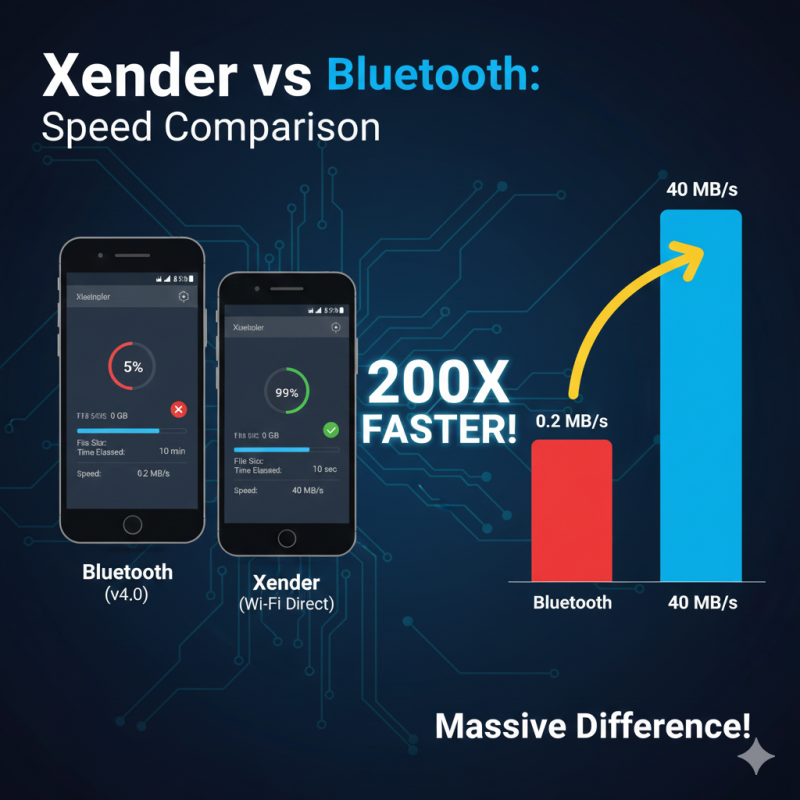
The magic behind Xender’s acclaimed speed is the utilization of Wi-Fi Direct technology. This method bypasses traditional internet infrastructure, allowing devices to create an instant, peer-to-peer wireless connection.
No Internet Required: Transfers happen entirely over this local network, saving mobile data.
Speed Metrics: Xender consistently advertises speeds up to 40 MB/s, positioning it as up to 200 times faster than legacy Bluetooth transfers. This speed makes sharing large files (like full-length movies or application backups) viable in minutes, not hours.
Cross-Platform Flexibility: Connecting the Digital Divide
A major strength of Xender is its genuine cross-platform compatibility. Unlike some native solutions tied to a single operating system, Xender facilitates transfers seamlessly:
Android to iOS: Bridging the gap between the two major mobile ecosystems.
Mobile to PC/Mac: Its Web Connect feature allows any device with a browser to connect via QR code, streamlining desktop-to-mobile transfers without software installation on the PC side.
Zero File Type Restriction: It handles all formats, from music and video to documents and installation packages (APKs).
Beyond Sharing: Feature Set Expansion (The Utility Kit)
To maintain relevance in a competitive market, Xender integrated several utility features, expanding its role beyond simple file transfer:
Phone Replication: A vital tool for new device setup, enabling users to clone their entire data profile (contacts, messages, photos) from an old phone to a new one.
Integrated Media Management: The app included tools for social media video downloading and a Video-to-MP3 converter, adding value by bundling functionalities usually found in separate apps.
Scale and Popularity: A Data-Driven Snapshot
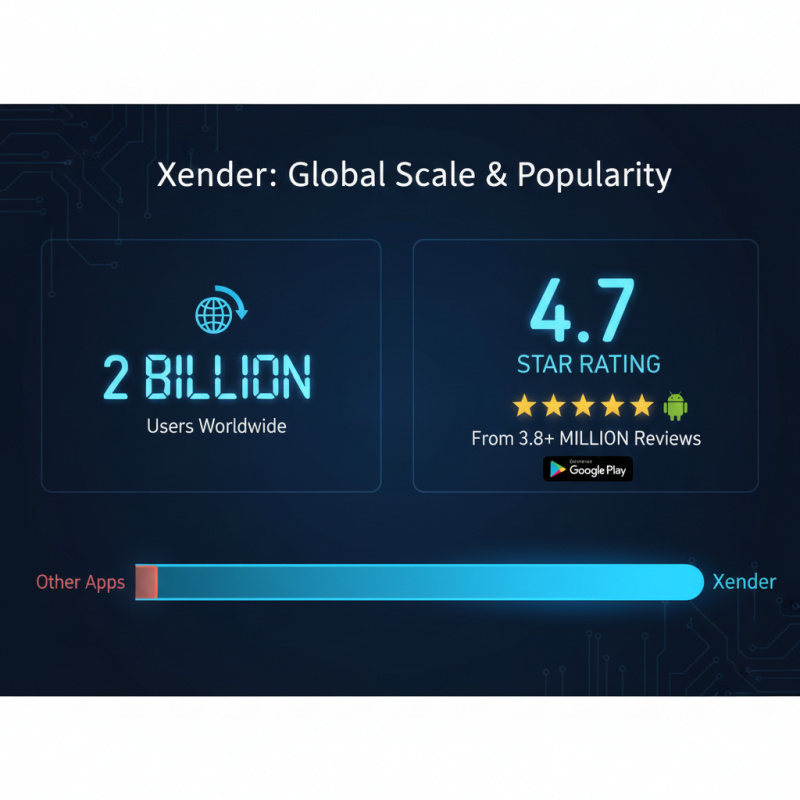
Xender's market penetration is undeniable. Official figures claim the app is trusted by over 2 Billion users globally. The Android version, a major growth driver, maintains an impressive Google Play Store rating of approximately 4.7 stars based on over 3.8 million user reviews. This massive user base underscores its technical effectiveness and widespread appeal, especially in emerging markets.
The User Experience Challenge: The Rise of Intrusive Ads
As a free service with massive scale, Xender’s monetization strategy has become its most significant point of criticism. In later versions, many users reported a decline in experience due to aggressive advertising:
Pop-up Overload: Frequent, full-screen pop-up and banner advertisements interrupt the core workflow, introducing friction and frustration into a process designed for speed.
Erosion of Simplicity: The clutter from ads and extra, sometimes unnecessary, features detracts from the app’s original, clean interface.
Privacy and Security: The Tracker Controversy
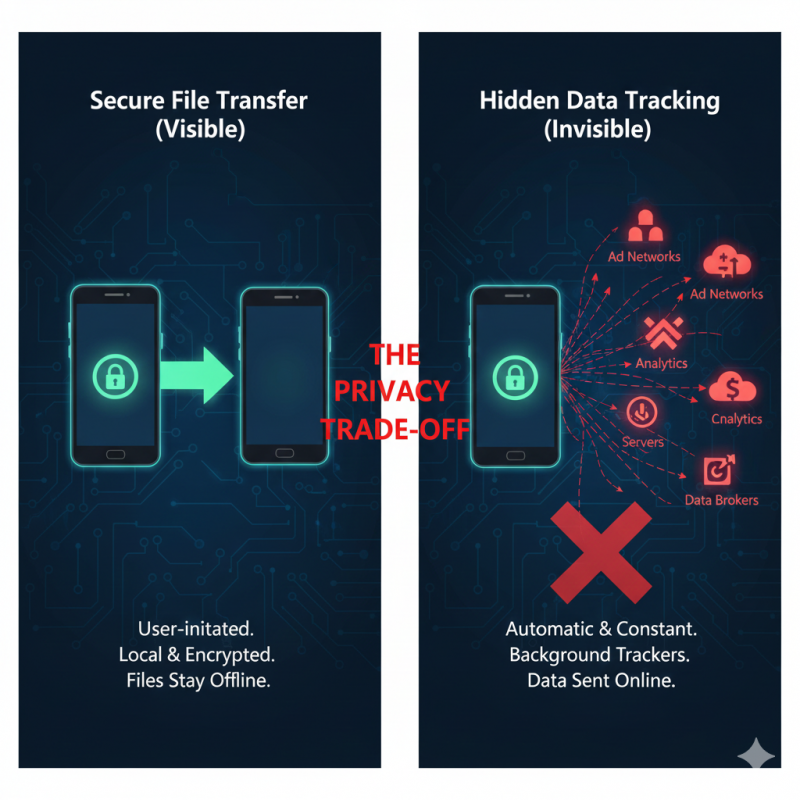
Concerns about user privacy are a recurring theme in the digital era, and Xender is no exception. Discussions in tech communities highlight significant worries about background activity:
Excessive Tracking: Reports from users monitoring network traffic suggest the app engages in continuous communication with various analytics and advertising trackers.
The Private Network Paradox: While the file transfer itself is local and secure, the app's persistent data harvesting attempts clash directly with its stated goal of maintaining "user privacy." This dynamic forces users to question the true cost of using a free app.
Resource Consumption: Battery Drain and Permissions
The very technology that makes Xender fast introduces technical compromises:
Battery Drain: Utilizing Wi-Fi Direct for prolonged periods, especially for large transfers, is resource-intensive and can lead to notable battery drain on both sending and receiving devices.
Broad Permissions: To create and manage the local network, Xender requires access to numerous device permissions, which can be a point of concern for privacy-conscious individuals reluctant to grant extensive access to third-party applications.
Core Limitation: A Two-Way Street
Despite its speed, Xender operates purely as a transfer medium and requires mutual participation:
App Dependency: Both the sender and the receiver must have Xender installed to facilitate the transfer. This contrasts with native solutions (like AirDrop or Nearby Share) that are always available and built into the OS.
No Cloud Backup: Xender does not offer cloud storage or backup capabilities, meaning it cannot help recover files that are lost or deleted from the primary device.
Conclusion: Weighing Speed Against Experience
Xender's legacy is defined by its ability to deliver lightning-fast, cross-platform, offline file sharing. It's a technical success. However, its business model—characterized by intrusive advertising and persistent background tracking—creates a noticeable compromise. Users must weigh their need for uncompromising speed and data-saving utility against the degradation of the user experience and rising privacy concerns. For those prioritizing an ad-free environment and data security, viable native and open-source alternatives now exist that offer comparable speed with fewer operational trade-offs.
Post Comment
Be the first to post comment!