It wasn't that long ago that we were all debating whether artificial intelligence would eventually replace us. I remember sitting in coffee shops and quiet offices back in 2023, staring at those early, flickering chat interfaces, wondering if the soul of creativity was about to be digitized and sold back to us in a monthly subscription. There was this underlying static of anxiety in every creative circle. But here we are in 2026, and you can feel that the conversation has finally shifted.
It is not about human versus machine anymore.
Honestly, it’s about how we’re using these tools to amplify the stories only we can tell. Have you noticed how much quieter that "replacement" anxiety has gotten lately? It’s like we finally realized the tech is just a mirror, not the artist. We aren't being replaced; we're being unfettered.
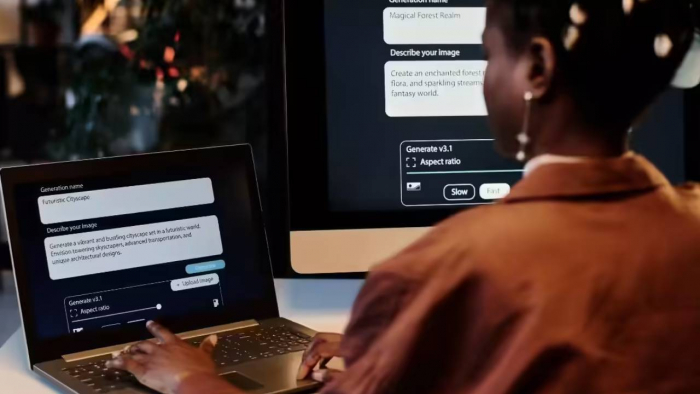
The landscape for content creators has changed radically. We’ve moved past simple text generators and basic image filters that felt a bit like digital toys. Today, the tools we have are deeply integrated, multimodal, and, you know, surprisingly intuitive. They don’t act like clunky robots that need a perfect prompt to keep from hallucinating. They feel more like highly skilled assistants who actually know your brand voice, your aesthetic, and what your audience is looking for.
And that’s the point. They help us find our way back to the craft.
The Rise of the Multimodal Workflow
In the past, you had to be a specialist or hire a whole team just to stay relevant on three different platforms. You wrote a blog, then you struggled to turn it into a video, then you spent hours cropping images for social media. It was exhausting. In 2026, those walls between formats have basically crumbled.
New platforms allow us to start with just one core idea. You might record a ten-minute voice memo while you’re walking the dog or just sitting with the hum of your laptop at midnight. That one piece of audio can now be transformed into a structured long-form article, a series of high-definition video clips, and tailored social posts.
These systems actually understand the context. They don’t just translate text to video in a literal, boring way. They understand the emotional arc of your story and suggest visuals or soundscapes that match the mood you’re going for. If you’re talking about a somber realization, the AI knows not to suggest upbeat pop music.
But does a tool really understand "mood," or is it just getting better at mimicking our own? Maybe it’s a bit of both. Either way, the "blank page" problem is officially dead.
High Fidelity Visuals and Global Reach
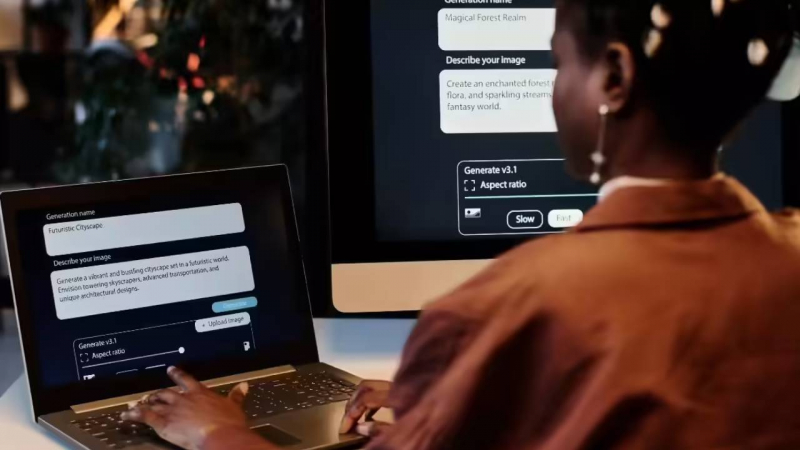
Visual storytelling has reached a point where the barrier to entry is almost gone. We’re seeing models that can generate cinematic video with realistic lighting, physics, and synchronized audio. For a solo creator, this means you can produce high-quality trailers or educational videos that used to require a massive production budget and a month of post-production.
Perhaps the most transformative part, and I guess this is what excites me most, is how we now speak to the world. We don’t have to worry about the language barrier anymore because a modern video language translator allows us to dub our content instantly into dozens of languages.
These tools don't just swap the audio with a flat, robotic voiceover. They use voice cloning to keep your original tone and even adjust your lip movements so the performance feels natural to a viewer in Tokyo or Berlin. It makes the world feel a lot smaller, doesn't it? I remember when "going global" meant hiring an agency. Now, it means clicking a button and checking the lip-sync for nuance.
What’s even more impressive is the level of control we have now. We can specify camera angles, lighting styles, and even keep characters consistent across different scenes. If you’re building a brand around a specific visual identity, these tools learn that style. They make sure every image and video feels like it came from the same creative mind, even if you’ve generated a hundred pieces of content in a single afternoon. You know, it’s about having a creative partner that actually listens.
Strategic Intelligence and the Evolution of Search
The way people find our content has evolved, too. Traditional search engines have moved toward answer engines and social discovery. Because of this, our tools have become a lot more strategic. Instead of just suggesting basic keywords, they help us identify the "answer-worthy" gaps in the market. This is what people are calling Answer Engine Optimization, or AEO.
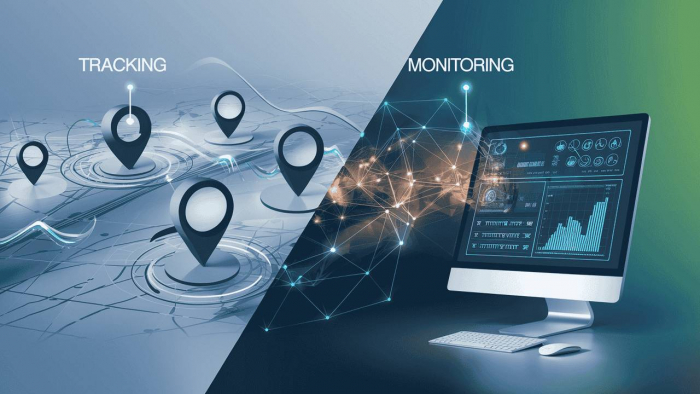
We’re now using AI to analyze real-time signals. This tells us not just what people are searching for, but why they’re looking for it in the first place. It allows us to create content that feels deeply personal to the person reading it. We can see the "why" behind the click.
In a world where 90% of online content is assisted by AI, the winners are the ones using data to drive a genuine human connection. It’s a bit of a paradox, isn't it? We use massive data sets to help us be more "us." But in 2026, if you aren't using these insights, you're essentially shouting into a void that is already full of noise.
From "Tools" to "Agents": The 2026 Shift
If 2024 was the year of the chatbot, 2026 is the year of the agent. We no longer just "use" a tool; we delegate to it. For a creator, this means having "research agents" that live-crawl the web for your specific niche and "distribution agents" that know exactly when your audience in Brazil is most likely to engage with a video.
I sometimes think about how many good ideas were abandoned in past years simply because we didn't have enough time to test them. I used to spend four hours a week just on administrative "cleanup"—tagging videos, writing descriptions, formatting newsletters. Now, that is handled in the background. It feels like the air has cleared. You can finally hear your own ideas again because you aren't bogged down by the "busy work" of being a creator.
But this shift comes with a responsibility. We have to be the ones who provide the "Experience and Expertise" that a model just can't replicate. We provide the strategy and the emotional resonance. We’re the ones who decide which stories are worth telling and which insights actually matter to people.
The New Role of the Human Creator
So, where does that leave us? If a tool can write, edit, and produce, what’s our job?
In 2026, the creator has become an orchestrator. Our value lies in our taste, our lived experience, and our ability to be vulnerable. AI can simulate a "vibe," but it can't tell you how it felt to fail at your first business or why a specific sunset reminded you of home. Those are the emotional anchors that keep people coming back.
The tools handle the volume and the technical execution. They remove the friction of the blank page and the empty timeline. This frees us up to do the high-level thinking that actually moves people.
We’re no longer bogged down in the tiny details of editing or formatting. We’re back to being what we always wanted to be. We’re storytellers. We are the architects of the narrative, while the AI handles the heavy lifting of the construction.
Honestly, I think we’re finally getting our time back. And the question isn't "what can the AI do," but "what will you do now that you have your time back?"
And that's the real trick, isn't it? Staying human in a digital sea.
Post Comment
Be the first to post comment!