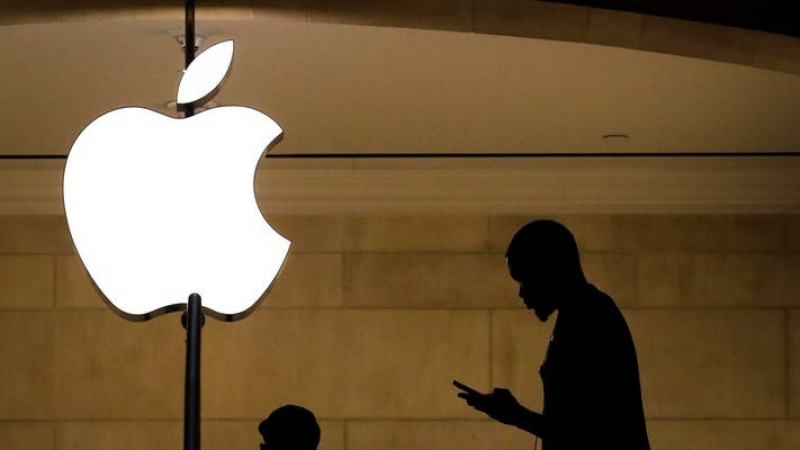
In a move that signals a seismic shift for the global smartphone economy, Apple has officially opened its iPhones to alternative app stores in Japan. Effective December 18, 2025, the tech titan has rolled out a suite of updates to comply with the nation’s newly enacted Mobile Software Competition Act (MSCA). This landmark legislation, designed to break the "gatekeeper" grip of dominant platforms, forces a restructuring of how digital services are distributed and paid for on millions of devices across the country.
The transformation is powered by the release of iOS 26.2, which introduces a radically different business model for Japanese developers. For the first time, creators can launch their own independent app marketplaces directly on the iPhone. Under these new terms, Apple has slashed its traditional commissions which famously reached as high as 30% allowing developers using third-party stores to pay as little as 5% in sales fees. This regulatory victory for the Japanese market follows similar pressure in the European Union, yet Japan’s framework introduces its own unique set of nuances.
While the "walled garden" is seeing its gates open, Apple remains steadfast in its commitment to user security. Every app distributed through these new alternative channels must still undergo a "notarization" process a baseline security scan intended to catch malware and fraud. Furthermore, Apple has maintained strict oversight regarding child safety, requiring alternative marketplaces to adhere to standardized age ratings. The company warned in a public statement that while it is complying with the law, these changes inherently create "new avenues for malware and privacy risks" that were previously mitigated by the centralized App Store.
The update also brings newfound freedom to the user experience. Japanese iPhone owners will now encounter "choice screens" when setting up their devices, allowing them to select their preferred default web browser and search engine. Additionally, the software now supports alternative browser engines, meaning browsers like Chrome and Firefox can finally utilize their own high-speed technology rather than being forced to use Apple’s WebKit. Even the physical hardware is being repurposed; users can now reconfigure the iPhone’s side button to trigger third-party voice assistants instead of Siri.
Financial flexibility is another cornerstone of this rollout. Developers still using the traditional App Store can now choose to process payments through their own systems or link users to external websites to complete purchases. For these transactions, Apple will charge a reduced fee, typically around 15%, compared to the standard rates. However, the company noted that it cannot assist with refunds or customer support for purchases made through these external payment processors. Industry analysts view Japan’s move as a critical test case for digital regulation worldwide. By successfully negotiating a path that balances open competition with security "notarization," Japan may provide a blueprint for other nations seeking to regulate Big Tech. For the consumer, the immediate impact is a future defined by more choices, potentially lower subscription prices, and a more diverse range of apps that were previously restricted by the App Store's stringent guidelines.
Post Comment
Be the first to post comment!