Table of Content
- Why I Even Considered AppsFlyer in the First Place
- The Onboarding Reality: This Is Not Plug-and-Play
- What Changed Once AppsFlyer Was Properly Set Up
- Fraud and Wasted Spend: Where AppsFlyer Quietly Helped
- Where AppsFlyer Did NOT Help
- Support Experience: Uneven Depending on Your Size
- Pricing From a Founder’s Perspective
- My Internal Scorecard
- Final Founder Take: Would I Use AppsFlyer Again?
When you run a company, you don’t choose tools because they look impressive on a slide. You choose them because something is breaking, and you need proof before money keeps leaking.
I didn’t adopt AppsFlyer because it called itself a “Modern Marketing Cloud” on its homepage at appsflyer.com.
I adopted it because we had a recurring argument inside the company:
“Which channel is actually driving revenue, and which one just looks busy?”
That question sounds simple. It isn’t.
This is a first-person review based on using AppsFlyer inside my own company, with real trade-offs, real friction, and real outcomes.
Why I Even Considered AppsFlyer in the First Place
Before AppsFlyer, our setup looked like this:
- Ad platforms reporting their own success
- App analytics showing events but not attribution
- Finance asking for ROAS we couldn’t confidently defend
We were spending enough on user acquisition that “gut feeling” stopped being acceptable.
AppsFlyer kept coming up in conversations with peers and agencies, and review platforms like G2 consistently showed strong ratings from teams operating at scale. That signaled credibility, but credibility doesn’t guarantee fit.
So we tested it.
That decision led directly to the hardest part: implementation.
The Onboarding Reality: This Is Not Plug-and-Play
Let me be blunt:
AppsFlyer is not friendly to teams that expect instant clarity.
SDK integration, event mapping, attribution windows, deep links—none of this is conceptually hard, but all of it is unforgiving. A small mistake in event naming or attribution configuration can silently distort reports.
During our first few weeks:
Numbers didn’t match internal expectations
Teams questioned the data
Confidence actually went down before it went up
This lines up closely with what smaller teams complain about on Trustpilot, where frustration often stems from onboarding complexity rather than outright product failure.
That early friction made me skeptical, but it also forced us to clean up our own data discipline, which changed how the platform performed later.
What Changed Once AppsFlyer Was Properly Set Up
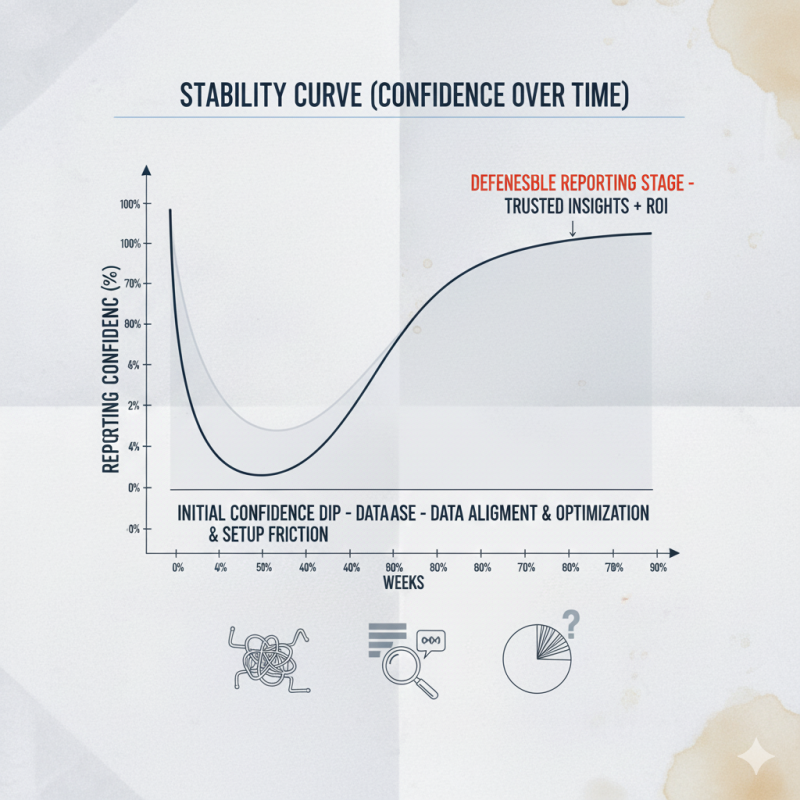
Once we stabilized instrumentation and attribution logic, the experience shifted.
Attribution Became Defensible (Not Perfect, But Defensible)
AppsFlyer didn’t magically tell us the truth.
What it did was give us a consistent attribution framework we could defend internally.
Instead of arguing over whose dashboard was right, we argued over assumptions—which is a healthier argument.
This mirrors why enterprise users rate AppsFlyer highly on platforms like Software Advice: once implemented correctly, it becomes a reference point.
That consistency led us to the next major benefit.
Fraud and Wasted Spend: Where AppsFlyer Quietly Helped
We didn’t adopt AppsFlyer for fraud protection, but it exposed patterns we were ignoring.
Certain sources drove installs with no downstream events
Some campaigns looked great on ad dashboards but collapsed under cohort analysis
AppsFlyer didn’t accuse anyone. It simply surfaced patterns that were hard to ignore.
Cutting those channels didn’t feel dramatic, but over time, it reduced spend inefficiency. This wasn’t a flashy win. It was a slow financial correction.
Once spend quality improved, deep linking became the next bottleneck.
Deep Linking (OneLink): More Valuable Than I Expected
I underestimated deep linking.
AppsFlyer’s OneLink routing meant users landed where they were supposed to—not on generic app screens. That reduced friction in onboarding flows and improved early engagement.
This mattered especially for:
- Email campaigns
- QR-based offline promotions
- Web-to-app journeys
It’s not a growth hack. It’s operational hygiene, and it quietly compounds.
Where AppsFlyer Did NOT Help
Here’s where expectations matter.
It Did Not Improve Creative Strategy
AppsFlyer shows what performed, not why emotionally.
It doesn’t tell you if your ad is persuasive, only whether it converted.
It Did Not Fix Internal Misalignment
Teams still argued.
AppsFlyer didn’t remove politics—it just made weak arguments harder to defend.
It Did Not Reduce Tool Complexity
If anything, it added another serious system that demanded respect.
These limitations align with recurring feedback on Reddit threads like this one, where users often say the tool is powerful but mentally taxing.
Support Experience: Uneven Depending on Your Size
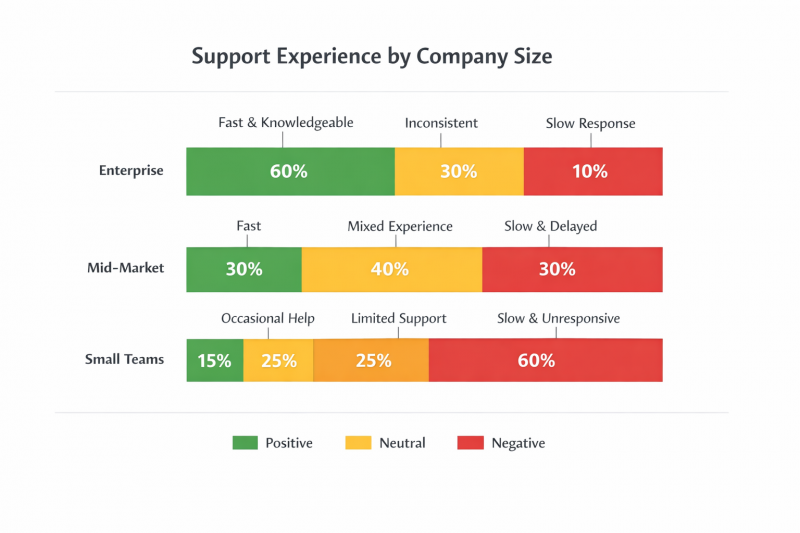
This part deserves honesty.
When we had dedicated support, response quality was solid.
When we didn’t, things slowed down.
This explains the stark contrast between:
Strong enterprise sentiment on G2
Harsh service complaints on Trustpilot
As a founder, I learned that AppsFlyer rewards scale. Smaller companies feel that gap more sharply.
Pricing From a Founder’s Perspective
AppsFlyer is not cheap, and it doesn’t pretend to be.
Was it worth it for us?
Yes, once spend crossed a certain threshold.
Would I recommend it to a small startup?
Only if:
attribution disputes are already costing money
you have technical capacity to implement it properly
Otherwise, it may feel like overkill.
My Internal Scorecard
Here’s how I’d rate AppsFlyer based on lived experience:
| Dimension | Score |
| Attribution reliability | 9 / 10 |
| Data depth & flexibility | 9 / 10 |
| Ease of onboarding | 5 / 10 |
| Support consistency | 6.5 / 10 |
| Value for money (at scale) | 8.5 / 10 |
| Value for small teams | 5 / 10 |
Overall rating: 8.1 / 10
Not because it’s perfect, but because it solved expensive problems once we met it halfway.
Final Founder Take: Would I Use AppsFlyer Again?
Yes, but with clearer expectations.
AppsFlyer didn’t make us smarter marketers.
It made us more honest ones.
It forced better questions, exposed weak assumptions, and reduced guesswork—but only after we invested in doing things properly.
If you’re running a company where:
- acquisition spend matters
- attribution disputes are real
- and decisions need to be defended
AppsFlyer can become infrastructure.
If you’re looking for simplicity or inspiration, it will feel heavy.
That tension defines the product, and explains why reviews are so polarized.
Post Comment
Be the first to post comment!