Python is one of the most popular programming languages in the world, used across web development, machine learning, automation, and more. Yet from time to time, developers encounter bizarre behaviors that don’t follow standard error messages or documentation issues that disappear when you try to debug them.
One such mysterious term circulating online is “Python 54axhg5”. In this article, we break down what it really means, why it feels real, and how savvy programmers handle these elusive problems.
What “Python 54axhg5” Really Is (And Isn’t)
Despite what many blogs and auto-generated posts claim, Python 54axhg5 is not an official Python feature, update, bug ID, or error code recorded in any Python Enhancement Proposal (PEP), CPython issue tracker, or CVE list.
- The term appears mostly in community talk and SEO-oriented content as a way to describe:
- Strange, inconsistent behaviors under particular conditions
- Errors that cannot be reproduced reliably
- Problems that vanish under a debugger
It’s essentially a nickname engineers use to describe hard-to-trace, intermittent issues, not a documented Python artifact.
👻 Why This “Ghost Bug” Gets So Much Attention
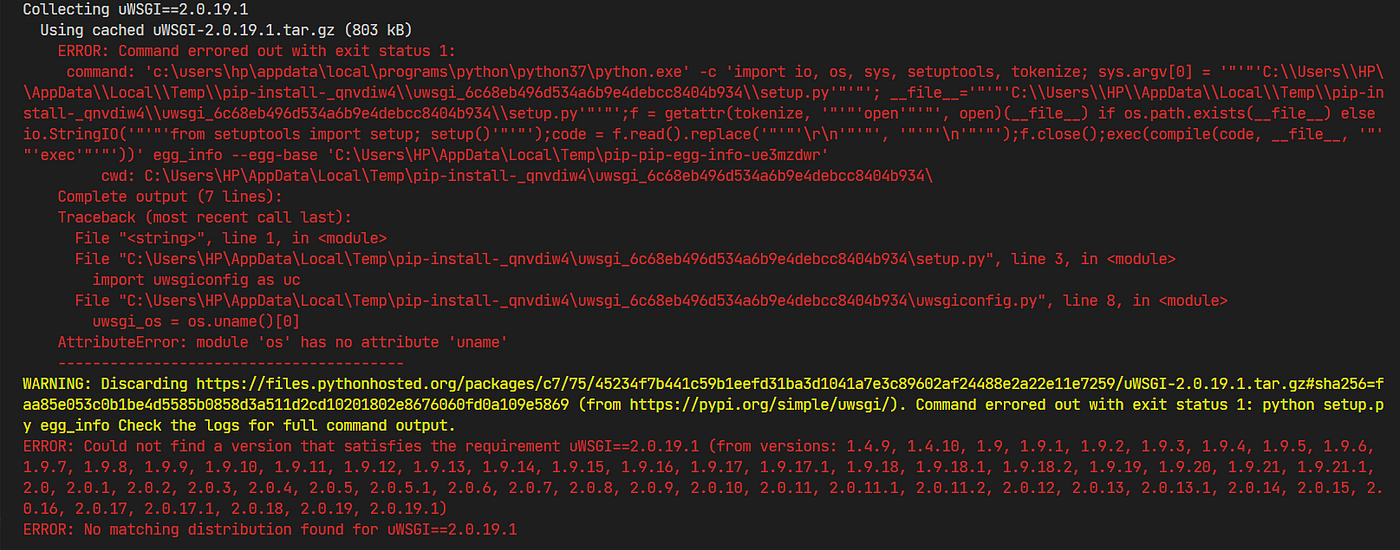
Some Python bugs can feel like they disappear the moment you look at them. These behaviors often happen only in specific environments (like production traffic spikes, multithreaded workloads, or asynchronous code) and might not show up in local testing.
The reasons for these zombie-like behaviors usually come down to:
- Concurrency and shared state – race conditions when data is mutated by several workers at once
- Async timing quirks – when event loop execution order differs under load
- Caching delays – stale data being used because cache invalidation was missed
- External library memory management – especially with C extensions that handle memory differently from Python’s garbage collector
These aren’t unique flaws in Python, they’re just hard-to-diagnose software behavior that any language can exhibit when complexity increases.
Recognizing the Hallmarks of a “54axhg5-Like” Problem
Here are the tell-tale signs that you might be facing one of these elusive issues:
Before blaming your code logic or assuming something is wrong with Python itself, it’s important to identify whether you’re dealing with one of those strange, hard-to-reproduce issues commonly labeled as “54axhg5-like” problems. These bugs don’t follow normal patterns and often confuse even experienced developers.
Here are the most common warning signs to watch out for:
Inconsistent Results with Identical Inputs
One of the most frustrating symptoms is when the same function returns different results even though the input hasn’t changed. This usually happens when:
- Shared variables are being modified by multiple threads or async tasks
- Global state is unintentionally changing in the background
- Cached values are partially updated or corrupted
- From the developer’s point of view, it looks like the function itself is broken, when in reality the surrounding execution context is unstable.
The “Observer Effect” in Debugging
A classic sign of a ghost-style bug is when:
- Adding
print()statements - Setting breakpoints
- Running the code in debug mode
- …suddenly makes the problem disappear.
This happens because debugging tools slow down execution timing, which can temporarily hide race conditions, async scheduling problems, or thread conflicts. So the bug doesn’t vanish it simply stops triggering under slower conditions, making it extremely difficult to confirm fixes.
Silent State Changes in Data Structures
Another red flag is when lists, dictionaries, or objects seem to change on their own, even though no obvious line of code is modifying them.
This often points to:
- Mutable objects being passed by reference
- Shallow copies instead of deep copies
- Multiple components using the same object unintentionally
These silent mutations can ripple through the system and produce effects far away from the actual cause, leading developers to debug the wrong part of the program.
Failures That Only Appear Under Real-World Load
Many developers report that everything works perfectly in development, but breaks when:
- More users access the system
- Background jobs increase
- APIs start responding slowly
- These load-dependent failures usually expose:
- Concurrency bottlenecks
- Database locking conflicts
- Timeout and retry loops are interacting badly
Because local testing rarely matches production traffic, such bugs remain hidden until real users trigger them.
Timing-Sensitive Behavior That Can’t Be Reproduced
Some errors only happen at very specific moments, such as:
- During startup
- While shutting down services
- When two background tasks overlap
These timing-based issues are extremely difficult to recreate manually and are often mistaken for random glitches. In reality, they are usually tied to poor synchronization or improper task scheduling.
Problems That Jump Between Different Parts of the System
Another confusing trait of 54axhg5-type problems is that symptoms may appear in:
- UI layers
- APIs
- Databases
- Background workers
…even though the real cause is somewhere completely different. This happens because corrupted states or delayed responses propagate through multiple layers before becoming visible, making root-cause analysis much harder.
What These Signs Usually Point To
When multiple symptoms like these appear together, they typically indicate issues related to:
- Thread safety problems
- Asynchronous execution order
- Shared memory conflicts
- Improper caching strategies
- External library interactions
In short, these are system-level behavior problems, not simple syntax or logic errors, and certainly not proof of any mysterious hidden Python bug.
Practical Ways to Reduce These Bugs
If you find yourself chasing errors that behave like “Python 54axhg5,” here are practical steps many senior developers rely on:
1. Favor Immutable Data
Immutability prevents shared data from changing unpredictably. Using tuples or frozen structures removes the risk of silent state changes.
2. Separate Workloads into Processes
Rather than sharing memory across threads, isolate tasks in separate processes. This prevents race conditions and makes debugging far easier.
3. Structured Logging and Stress Testing
Since interactive debugging might mask the issue, rely on detailed logging (timestamps, state snapshots) and stress testing tools to simulate real-world traffic and uncover hidden behaviors.
4. Rethink Caching Logic
Ensure cache invalidation strategies are sound. Outdated cache entries commonly lead to inconsistent reads under load.
Tools That Help Debug Elusive Python Problems
Here are techniques and tools that can make debugging deep Python issues easier:
- Logging frameworks — Python’s
loggingmodule with context-rich metadata - Async visualization tools — to see how your event loop schedules coroutines
- Profilers — like
cProfileor third-party profilers to analyze performance hotspots - Concurrency detectors — tools like
thread-sanitizerhelp find shared-state races
While none are magic fixes, they can shine a light where ordinary debugging fails.
Final Takeaway: Myth vs. Reality
To be clear:
✔️ Python 54axhg5 captures the feeling of a certain class of frustrating bugs
❌ It is not an official Python bug code, error message, or documented behavior
What it really highlights is this: as systems become more concurrent, highly asynchronous, and feature-rich, developers must adopt disciplined practices to maintain stability.
With the right tools, design patterns, and testing rigor, what once seemed like a ghost can become predictable and manageable.
Post Comment
Be the first to post comment!