There’s a moment in every Musk announcement where you have to pause and ask: is this a plan, or a preview of something that might exist years from now?
This time, it’s something called Terafab.
At an event in Austin, Elon Musk described a future where Tesla and SpaceX don’t rely on anyone else for chips. Not Nvidia. Not traditional semiconductor giants. No one.
The framing was blunt. Either build it internally, or risk not having enough compute to compete.
The Scale Sounds Unreal Because It Kind of Is
Musk didn’t pitch Terafab like a normal factory.
He talked in power terms, not units:
- 100 to 200 gigawatts of compute every year on Earth
- Eventually, a terawatt of compute… in space
That’s not a supply chain upgrade. That’s infrastructure on the scale of energy grids.
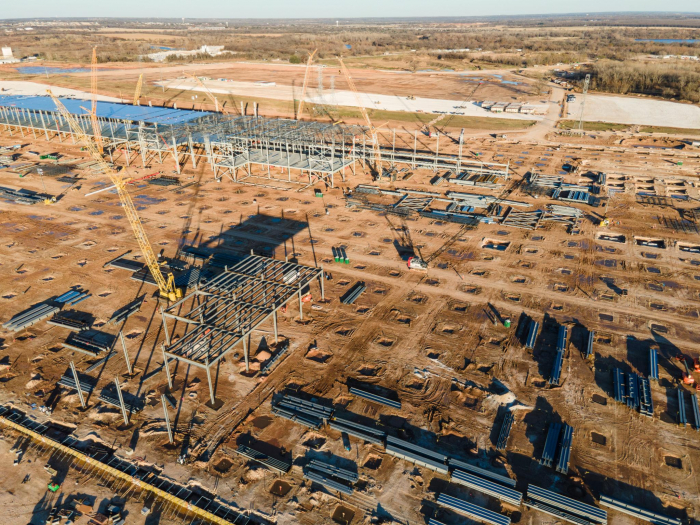
And yet, there’s no timeline. No construction roadmap. Just a directional signal and a hint that it could sit somewhere near Tesla’s Austin footprint.
This is classic Musk. Announce the destination first. Figure out the path later.
Why This Isn’t as Random as It Sounds
Underneath the spectacle, the logic is actually tight.
AI, autonomy, robotics, satellites, humanoid systems, all of it runs on chips. And right now, chips are the choke point.
If you can’t get enough compute, you don’t scale.
- For Tesla, that affects self-driving and robotics.
- For SpaceX, it touches satellites, AI workloads, and long-term space infrastructure.
So instead of competing for supply, Musk is hinting at removing the dependency entirely.
It’s vertical integration, just taken to an extreme most companies wouldn’t attempt.
The Part Everyone Is Quietly Questioning
There’s a reason this raised eyebrows.
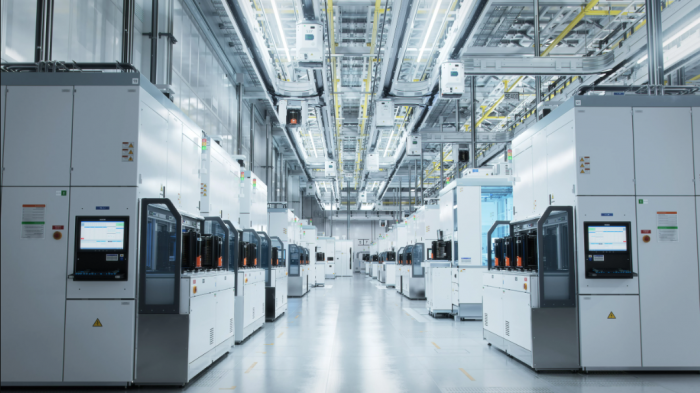
Semiconductor manufacturing isn’t just hard. It’s a different universe.
It’s not like rockets where physics is brutal but controlled. Chip fabs require:
- ultra-precise fabrication at nanometer scale
- deeply specialized supply chains
- years of process tuning before stability
Musk has disrupted industries before. But this is one where even established giants struggle to keep up.
That’s why this feels less like an announcement and more like a high-risk declaration.
This Is Really About One Thing: Control
If you strip away the scale and headlines, Terafab comes down to a single idea.
Control the compute, control the future.
Right now, AI companies depend heavily on external chip makers. That creates limits, pricing pressure, and strategic vulnerability.
If Musk pulls even part of this off, Tesla and SpaceX stop being customers. They become infrastructure owners.
That changes their position entirely.
So… Is This Real or Just Another Musk Vision?
Both can be true at the same time.
There’s a pattern:
- Some Musk ideas sound unrealistic early and eventually materialize
- Others stay in the “future roadmap” category for years
- Terafab sits right in that uncertain middle.
The intent is real. The need for compute is real.
The execution? That’s where the story will either collapse or become industry-defining.
What This Signals (Even If It Never Fully Happens)
Even if Terafab never reaches the scale Musk described, the direction matters.
The AI race is shifting:
- It’s no longer just about models.
- It’s about who owns the hardware layer underneath them.
And Musk just made it clear he doesn’t want to depend on anyone else for that layer.
Post Comment
Be the first to post comment!