Quick Answer
Modern post-frame building systems improve efficiency and durability through simplified foundations that anchor sturdy laminated posts directly into the ground or precast concrete columns. This approach reduces excavation, concrete volume, and construction time while creating open, column-free interiors suitable for rural and commercial structures. Modern upgrades such as Frost Shield combat frost heave in cold-climate construction, paired with robust metal cladding, DuraPanel, and hardware like Storm Brackets for wind resistance, delivering long-term structural stability and lower maintenance demands.
Introduction
Builders in rural areas across British Columbia, Alberta, and Saskatchewan often face tight timelines, unpredictable weather, and the need for structures that withstand heavy snow loads, high winds, and deep frost penetration without constant repairs. Traditional foundation methods demand extensive concrete work, which drives up costs and delays projects when conditions turn harsh. Modern approaches shift the equation by prioritizing speed without sacrificing strength.
Modern post-frame building systems skip complicated, massive concrete pours, cutting down on time and material needs right from the start. The result feels both robust and sensible, creating expansive, open interiors ideal for agricultural and commercial operations. They pair well with modern upgrades like DuraPanel, alongside metal roofing and siding, to provide a robust barrier against wind-driven snow and hail common in the region.
Core Advantages of Custom Post-Frame Design
Professionals in construction know that selecting the right system sets the tone for the entire project, especially when balancing speed, cost, and long-term performance in rural settings. Custom post-frame design stands out because it adapts to specific needs, whether for agricultural storage, commercial workshops, or equipment shelters.
Simplified Foundation Methods
By anchoring sturdy, laminated posts directly into the ground or precast concrete columns such as DuraColumns, this method eliminates the need for massive concrete pours. Builders use pressure-treated timber or high-quality laminated posts rated for ground contact, embedding them at depths of 4 to 6 feet, depending on soil conditions and load requirements.
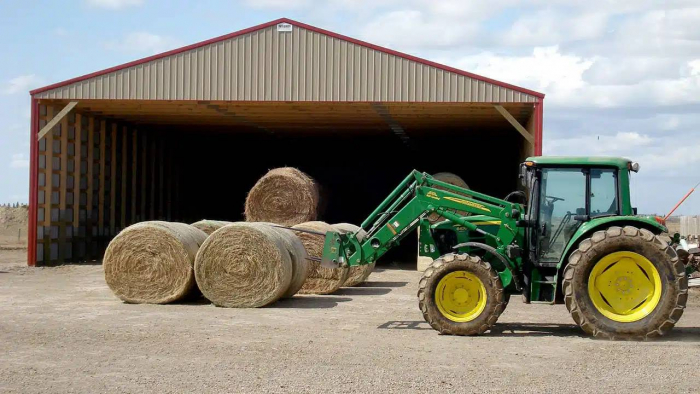
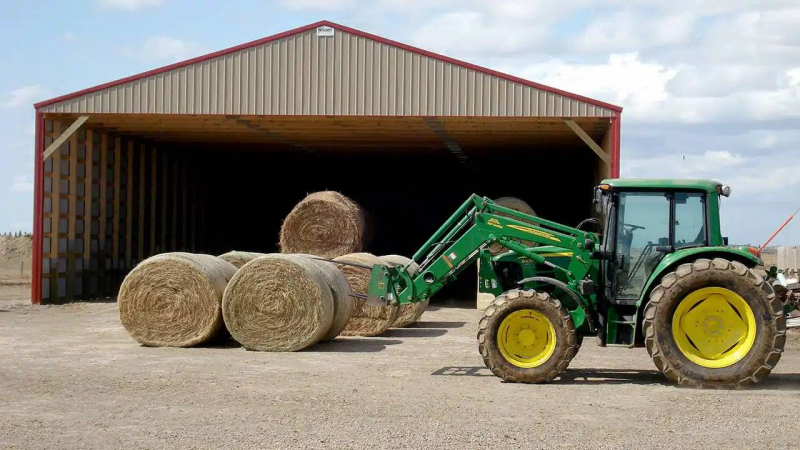
This method reduces excavation time and material costs, often cutting project timelines by weeks compared to traditional builds. In practice, the open spans created can reach up to 100 feet wide, resulting in a wide, column-free interior optimized for heavy machinery and custom workshops.
Flexibility in Layout and Customization
The beauty of this design lies in its adaptability to various site constraints and functional demands. Professionals can adjust post spacing and truss configurations to accommodate doors, windows, or specialized equipment access points. For instance, incorporating wider bays allows for easier vehicle movement, while modular components speed up assembly.
● Cost Savings: Reduced foundation work lowers overall expenses by 20 to 30 percent in many cases.
● Speed of Erection: Frames go up in days rather than months, minimizing weather-related delays.
● Scalability: Designs expand easily for future additions, supporting business growth without major overhauls.
Always conduct a soil test before finalizing post depths to optimize stability and avoid settlement issues over time.
Integration with Site-Specific Requirements
Tailoring the frame to the terrain ensures seamless integration, particularly in uneven or sloped areas common in rural landscapes. Posts can be cut to varying heights on-site, maintaining level trusses and roofs. This customization extends to incorporating insulation or ventilation early in the process, setting the stage for energy efficiency from the outset. Builders appreciate how these elements combine to create robust frameworks that perform reliably under daily use.
Key Features for Cold-Climate Construction and Durability
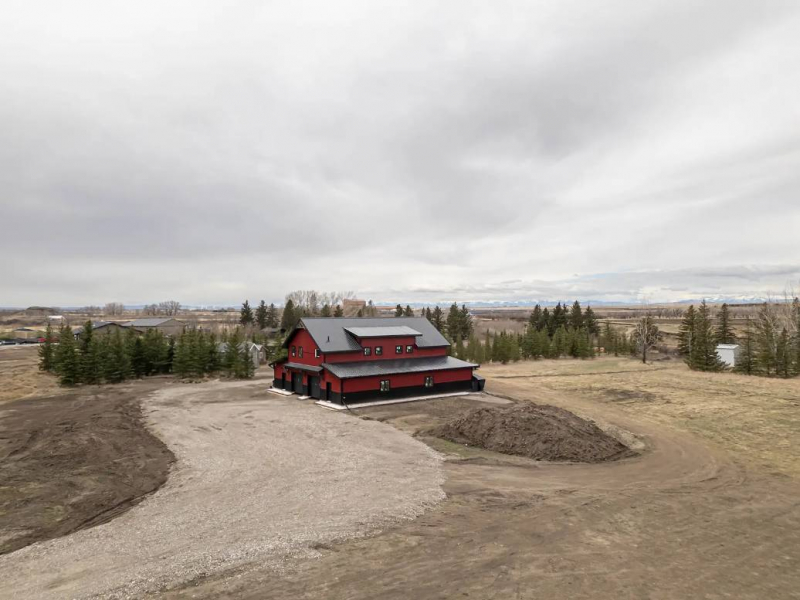
Harsh winters test every structural component, particularly in regions where deep frost penetration combines with heavy snow accumulation and strong winds. Durable structural systems in modern post-frame builds address these challenges head-on through engineered solutions that maintain alignment and integrity year after year. The focus shifts from basic post placement to integrated technologies that counteract specific environmental stresses.
Advanced Foundation Protection Against Frost Heave
In regions with deep frost penetration, frost heave is a constant threat that can lift and crack interior concrete floors over time. Traditional deep embeds help, yet they fall short when moisture migrates toward the foundation during prolonged cold spells.
To combat this, advanced foundation systems now utilize Frost Shield, a patented combination of horizontal and vertical rigid insulation that creates a thermal barrier between the exterior elements and the building’s footprint. By strategically placing this insulation around the building's exterior, the system directs moisture away from the foundation through a sloped design while blocking cold penetration.
This physically moves the frost line away from the foundation. This clever bit of thermal engineering keeps the ground beneath the posts warmer and more stable, neutralizing the soil expansion that causes traditional buildings to shift and 'jack' during the spring thaw, even through the most volatile Western Canadian freeze-thaw cycles. In heated buildings, the system also limits heat loss through the slab, contributing to operational efficiency over time.
● Thermal Barrier Creation: Rigid foam or mineral wool insulation placed strategically prevents frost from reaching susceptible soil layers.
● Moisture Management: Sloped grading combined with the insulation directs water away, minimizing saturation that fuels ice lens formation.
● Slab Protection: The configuration safeguards interior concrete from heaving, preserving level surfaces for equipment or vehicles.
Wind Resistance Through Engineered Hardware
High-velocity winds demand connections that resist uplift and racking without adding unnecessary complexity. For instance, Storm Brackets are proprietary hardware developed to stabilize the building and prevent leaning during high-velocity wind events. These components, tested under regional wind loads, increase connection strength by substantial margins while maintaining straightforward installation.
When combined with precast concrete columns such as DuraColumns, the system elevates laminated posts above ground level to eliminate rot risks entirely. These columns feature high-compressive-strength concrete reinforced with rebar and powder-coated steel brackets, providing a stable anchor point that withstands lateral forces far better than direct burial in shifting soils.
Advancements in High-Performance Building Envelopes and Long-Term Resilience
Once the frame stands solid, the envelope becomes the critical line of defence against ongoing environmental pressures. High-performance building envelopes in contemporary post-frame construction integrate advanced cladding, insulation, and sealing strategies to minimize heat loss, block moisture intrusion, and withstand mechanical stresses.
Superior Cladding and Roofing Systems
Modern upgrades like DuraPanel, alongside traditional metal panels, dominate modern applications due to their proven track record in extreme conditions. Galvalume or galvanized steel sheets, often with protective coatings, add long-term resilience without complexity, resisting corrosion and weathering far better than wood-based alternatives.
Profiles such as standing seam or screw-down systems provide exceptional wind uplift resistance when fastened according to manufacturer specifications and local load requirements.
Roofing follows suit with low-slope or steep-pitch metal options that shed snow efficiently and handle hail impacts without denting easily. The continuous barrier created by these materials prevents water infiltration at seams, providing a robust barrier against wind-driven snow and hail common in the region.
● Impact Resistance: Class 4 hail-rated panels maintain integrity under severe weather.
● Thermal Reflectivity: High solar reflectance indices reduce heat gain in summer months.
● Low Maintenance: Periodic inspections replace the need for frequent recoating or replacement.
Insulation Strategies for Energy Efficiency
Effective thermal control starts with continuous insulation layers that eliminate thermal bridging through the posts. Closed-cell spray foam or rigid board insulation applied between and over the framing creates an airtight envelope that significantly cuts heating costs in winter. Vapour barriers positioned on the warm side prevent condensation within the wall assembly, a frequent issue in cold climates where indoor humidity meets sub-zero exterior temperatures.
For unheated structures, perimeter slab-edge insulation complements the foundation system by reducing heat loss downward and outward. This layered approach maintains interior comfort where needed while protecting the slab from temperature-induced cracking.
Securing Long-Term Value with Post-Frame Building
The combination of simplified foundations, frost-resistant technologies, and advanced envelopes creates structures that deliver measurable advantages in efficiency and durability. Professionals benefit from reduced build times, lower material demands, and interiors free of obstructive columns, all while addressing the real challenges of cold-climate construction.
Owners gain peace of mind knowing these buildings maintain alignment and performance through decades of volatile Western Canadian freeze-thaw cycles and severe weather. The investment pays dividends in operational reliability and adaptability to evolving requirements. All in all, modern post-frame building systems provide a practical, high-value solution for rural and commercial structures that must perform reliably in demanding conditions.
Post Comment
Be the first to post comment!