If we imagine the stereotypical sports fan, the cliché usually paints a familiar picture: someone sitting on the couch, eyes fixed on the television, maybe wearing a team jersey while waiting for the next big play. For decades, that image defined what it meant to follow sports. Today, however, that version of fandom feels increasingly outdated. Modern fans are just as likely to experience a game through their phones, checking live stats, watching highlights, exploring new digital platforms, and even searching for tools like the best betting apps in California, all while the game unfolds in real time.
The shift from passive viewing to active engagement has happened quickly. Mobile apps have evolved from simple, boring score trackers into full sports ecosystems where fans can watch live streams, dive into advanced analytics, receive personalized alerts about their favorite teams or players, and, of course, take part in fantasy leagues as the action unfolds on a second screen. Every fan can personalize their experience in virtually unlimited ways.
For today’s sports audience, the phone or tablet is no longer just a companion to the game; it has become one of the main ways the game is experienced. In fact, some websites, such as ESPN, report that mobile traffic now accounts for more than 75% of their total.
From Passive Viewers to Interactive Fans
Recent industry data highlights how dramatically sports consumption habits have shifted in the digital era. A report from MNTN Research indicates that live sports viewership on digital platforms is projected to grow by more than 8% year-over-year from 2025 through 2030, a pace that clearly surpasses growth in traditional viewing. Rather than simply complementing television broadcasts, many digital platforms are now primary destinations for fans seeking faster access to highlights, statistics, and real-time updates.
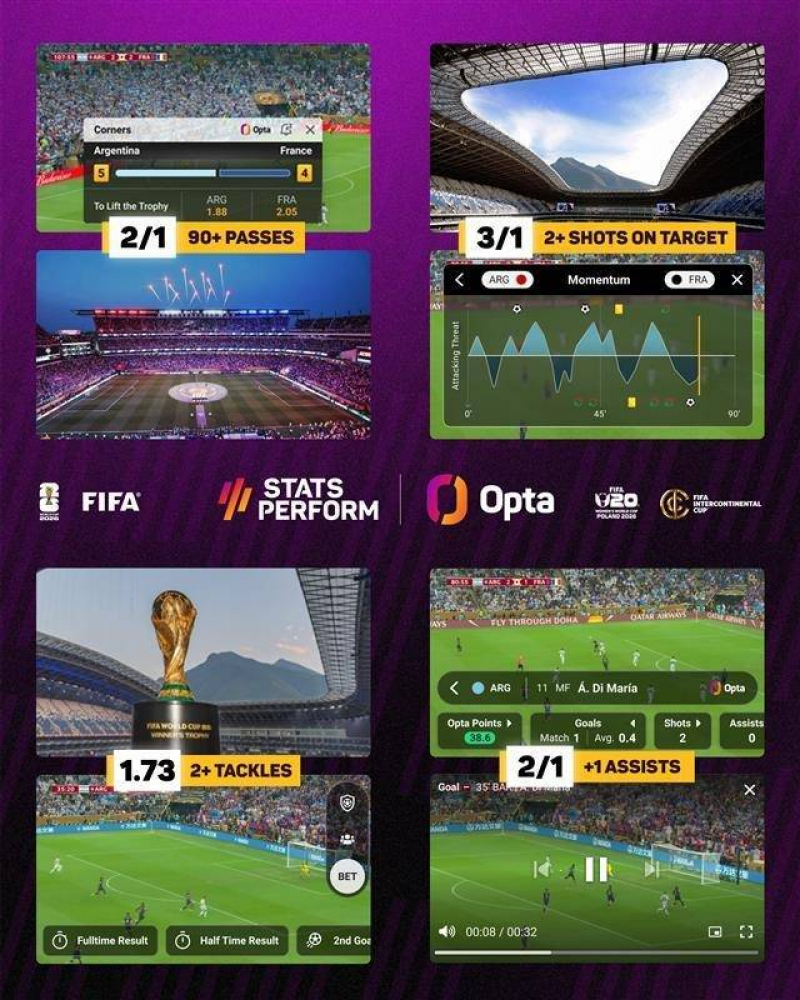
The way fans behave during games has also evolved. Research referenced by Softjourn shows that around 87% of sports viewers use a second screen while watching live events, most commonly a smartphone. That second device often becomes a command center for checking live statistics, tracking other games, or exploring additional context that the broadcast itself cannot fully cover.
Perhaps the most striking example of how fan behavior has evolved goes beyond how people watch sports; it shows how they participate financially while the game is still being played. A study cited by TV Tech, based on research from Horowitz Research, found that around 51% of NFL viewers purchase sports merchandise while watching live games. This means that for many fans, the experience no longer stops at viewing or discussing the action; they are actively buying jerseys, team gear, and other products while the event unfolds. In other words, modern sports engagement is not just interactive; it is transactional, with fans increasingly putting their money behind the teams and moments they are following in real time.
Real-Time Data Is Changing How Fans Follow Games
One of the biggest technological shifts behind modern sports fandom is the explosion of real-time data. Today’s fans don’t just watch the game unfold; they follow a constant stream of statistics generated during every play. Companies such as Sportradar, Stats Perform, and Genius Sports, among many others, process enormous volumes of information from live events and distribute those data feeds to broadcasters, mobile apps, and digital platforms used by millions of fans worldwide. In fact, some fans prioritize tracking game statistics over watching the live action itself, especially in sports like baseball or football.
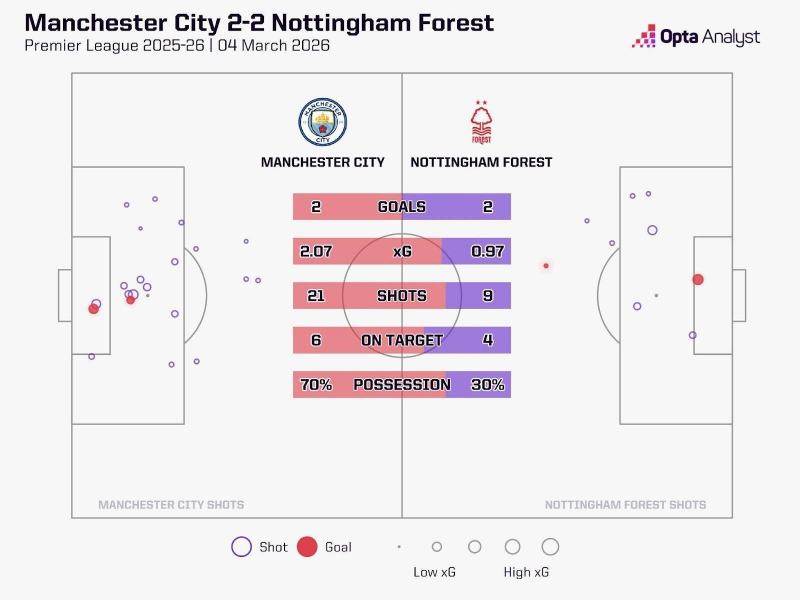
Much of that data comes from tracking technologies embedded directly into the game itself. In the NFL, the Next Gen Stats system uses RFID chips placed in players’ shoulders. pads, allowing the league to measure things like speed, acceleration, separation between receivers and defenders, and even route efficiency during every play. These data points are processed in real time and integrated into broadcasts and mobile platforms, allowing fans to access them instantly. And that’s how a new whole level of experience is possible for fans
Baseball offers another striking example. Major League Baseball’s Statcast system captures more than 7 million data points per game, tracking pitch velocity, exit velocity, launch angle, defensive positioning, and player movement across the field. The result is a much deeper analytical layer that fans can explore while games are still in progress. Instead of waiting for postgame analysis, modern audiences can evaluate performance metrics, probability models, and advanced statistics as the action unfolds.
The Rise of Real-Time Transactions in Sports Apps
Information isn’t the only thing moving faster in modern sports platforms. Money is moving faster, too. As mobile apps become central to the fan experience, many now integrate financial activity directly into how fans interact with games.
The scale of this shift is already measurable. According to Research and Markets, the global online sports betting market is expected to reach approximately $53.78 billion in 2025 and could grow to more than $93 billion by 2030, reflecting the rapid expansion of mobile platforms as the primary gateway for users engaging with sports-related services. Much of this growth is driven by live, in-game interactions, where users engage with platforms while watching the event in real time.
But the commercial layer of sports apps goes well beyond betting. At the same time, sports apps have evolved into broader commercial ecosystems. Fans can purchase team merchandise, subscribe to premium content, or unlock additional features directly from within a single mobile interface. Combined with the second-screen behavior discussed earlier, these transactions increasingly occur during the live event itself, making sports consumption a more interactive and economically active experience.
Security and Trust in High-Transaction Sports Platforms
As financial activity on sports platforms grows, security has become a critical technological priority. Platforms that handle large volumes of financial activity must ensure that user accounts, payment data, and personal information remain protected at all times.
Companies like FanDuel rely on multi-factor authentication and identity verification systems to secure user accounts. Another case is DraftKings, which uses encryption protocols and continuous fraud-monitoring systems to detect suspicious activity in real time. These systems analyze transaction patterns and can quickly flag unusual behavior, allowing the platform to intervene before potential fraud affects users.
Artificial Intelligence and the Future of Sports Apps
AI is the newest big deal, and it’s quickly becoming the next major driver of innovation in sports technology. Modern platforms increasingly rely on machine learning systems to analyze vast datasets generated during games and convert them into personalized insights for fans.
Companies like Stats Perform have already introduced AI-powered tools capable of generating predictive models, automated match previews, and advanced performance analysis. By processing thousands of data variables—from player movement to historical trends—these systems can produce insights that once required hours of manual work by analysts.
As these technologies continue to evolve, the smartphone is likely to become even more central to the sports experience. Real-time analytics, predictive modeling, and personalized content streams will further blur the line between watching a game and interacting with the complex digital ecosystem that surrounds it.
Post Comment
Be the first to post comment!