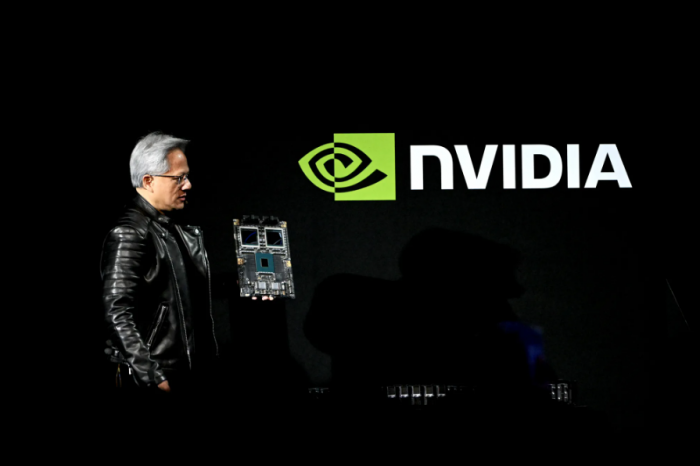
At Nvidia’s GTC 2026, Mistral introduced a platform that signals a deeper shift in enterprise AI strategy. Mistral Forge is not positioned as another tool for accessing AI models. Instead, it is designed to allow organizations to build their own models from the ground up using internal data. This approach moves away from the current norm of relying on external APIs and fine-tuning existing systems, toward a model where companies develop and control their own intelligence layer.
Mistral Forge operates as a full-stack model development environment for enterprises. Rather than limiting users to fine-tuning or retrieval-based systems, it enables both pre-training and post-training workflows. Organizations can train models on proprietary datasets such as internal documents, code repositories, operational logs, and structured business data. The goal is to create models that reflect domain-specific knowledge and internal processes rather than adapting generalized systems.
To reduce the complexity typically associated with model development, Mistral includes an autonomous system called Mistral Vibe. This component manages tasks such as hyperparameter optimization, synthetic data generation, and training orchestration. While it does not remove the need for infrastructure or expertise, it reduces the operational burden required to build and refine models.
Most enterprise AI implementations today follow a layered approach built around external models. Companies access a base model through APIs, apply fine-tuning, and use retrieval systems to integrate their data. This structure prioritizes speed and ease of deployment.
Mistral Forge introduces a different model. Instead of adapting to an external system, organizations can develop models that are entirely shaped by their own data and workflows. This approach is particularly relevant for companies that prioritize data sovereignty, compliance, and long-term ownership of intellectual property. It creates a distinction between using AI services and owning AI infrastructure.
The launch of Forge at Nvidia GTC highlights the infrastructure requirements behind this shift. Training custom models at scale requires significant computational resources, often involving multi-GPU environments. As enterprises move toward building their own models, demand for high-performance computing increases.
This creates a strong alignment between platforms like Forge and hardware providers. While Mistral focuses on enabling model ownership, the broader ecosystem depends on scalable compute infrastructure to support these capabilities. The relationship between AI software and hardware becomes more tightly integrated in this model.
Initial adoption of Mistral Forge has been observed among organizations operating in regulated or high-sensitivity environments. Companies such as ASML, Ericsson, and institutions like the European Space Agency are early examples. These organizations handle critical data where external processing may not be acceptable due to regulatory or security concerns.
In such contexts, the ability to train and host models internally is not just a technical advantage but a requirement. Forge is positioned to serve industries where control over data and model behavior is essential, including defense, telecommunications, and advanced manufacturing.
Mistral Forge reflects a broader shift in how AI is being integrated into organizations. The first phase of enterprise AI adoption focused on accessibility, enabling teams to quickly integrate AI capabilities through external services. The emerging phase is centered on ownership, where AI becomes part of internal infrastructure.
This transition involves higher costs and complexity but offers greater control, customization, and long-term strategic value. Organizations that invest in building their own models can align AI systems more closely with their operations and reduce dependency on external providers.
Mistral Forge is not designed to replace existing AI solutions for all users. It is aimed at organizations that require deeper control over their data and models. While API-based systems will continue to dominate for general use cases, Forge introduces an alternative path for enterprises that view AI as a core asset rather than a utility.
The platform represents a shift from consuming AI to developing it internally. For companies willing to invest in infrastructure and model development, this approach offers a level of ownership and alignment that traditional AI services cannot provide.
Be the first to post comment!