AI driven reverse image search has become a core part of how people verify identities, trace image misuse, and investigate where photos travel online. Lenso AI sits in the center of this category because it blends reverse search, face matching, duplicate detection, and object recognition inside one interface. It has earned attention from users who want features that go beyond traditional Google Images.
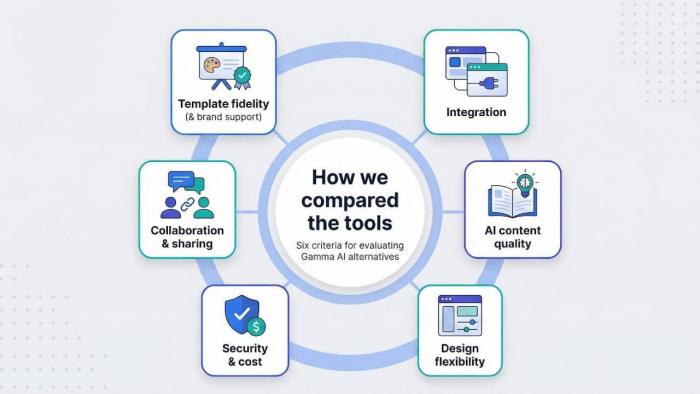
Even so, it is not the only tool available. Users often look for broader index coverage, lower costs, stronger face recognition, or greater transparency, which has led to a growing interest in alternatives. The following guide takes a practical and comparative approach. Rather than repeating vendor claims, it evaluates each major competitor by the specific value it offers and why a user might legitimately choose it over Lenso AI.
What Lenso AI Does and Where It Sits in the Market
At its core, Lenso AI is a visual search engine powered by machine learning that identifies faces, places, objects, and duplicates. It can track image reuse, catch modified versions of a picture, and organize search results using filters, collections, and alerts. These features make it useful for people who manage brand protection, handle personal privacy risks, or perform OSINT style checks.
Lenso’s biggest strengths are its semantic indexing and its ability to find edited images that basic pixel matching often misses. Its biggest weaknesses relate to credit based pricing, regional limitations, and the fact that its index is not as large as major search engines with decades of crawling history.
Because of these tradeoffs, many users benefit from exploring tools that specialize in specific parts of the visual search workflow. Below is a detailed look at alternatives that outperform Lenso in at least one meaningful category.
The Best Lenso AI Alternatives Ranked and Rated
The following sections present each alternative with a star rating, a description of its core function, and a clear explanation of why someone might choose it over Lenso.
1. PimEyes
Rating: 4.7 out of 5

PimEyes is one of the most advanced public facing facial recognition engines. It focuses almost entirely on people search rather than general image recognition. Users upload a face and receive matches from across the public web.
Why choose PimEyes over Lenso AI
PimEyes is the stronger option for anyone whose priority is tracking where their own face appears online. Its face centric index is larger, its match grouping is cleaner, and its alert system is more developed. For individuals dealing with impersonation or catfishing, PimEyes provides more consistent retrieval and deeper coverage.
Where it falls short
It is not suitable for object search, copyright detection, or multi category work. It also costs more and has its own set of privacy concerns.
2. TinEye
Rating: 4.5 out of 5
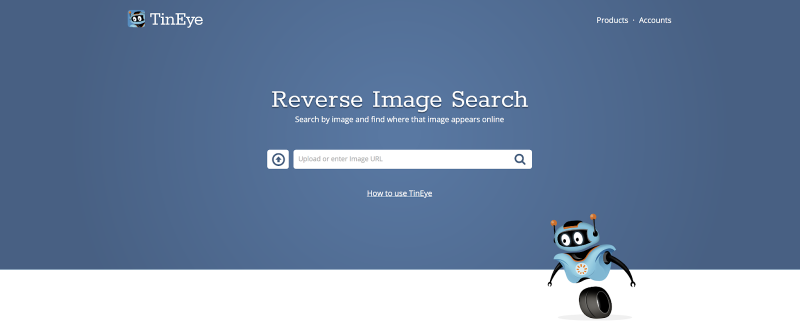
TinEye is the most established reverse image search engine on the internet. Rather than semantic AI, it uses highly refined exact and near exact matching to find copies and high resolution originals.
Why choose TinEye over Lenso AI
TinEye is better for users who need verification, copyright tracking, or source discovery. Its index is older and more stable, which makes it reliable for long running investigations. TinEye also provides a professional grade API, which is essential for developers or companies that want to embed reverse search into their workflows.
Where it falls short
It does not interpret faces or scenes the way Lenso does, which limits its usefulness for semantic matching.
3. Google Lens
Rating: 4.4 out of 5
Google Lens acts as a general visual intelligence layer that identifies objects, landmarks, products, plants, and text. It is deeply integrated into Google’s ecosystem and works instantly on most smartphones.
Why choose Google Lens over Lenso AI
Google Lens is the best choice for everyday visual search. It is free, fast, and extremely broad. If a user wants to identify a building, translate text, or find a product to buy, Google Lens provides a richer set of contextual results than Lenso.
Where it falls short
It cannot perform structured monitoring, duplicate detection, or specialized face search. It also does not track new appearances of an image.
4. Copyseeker
Rating: 4.1 out of 5
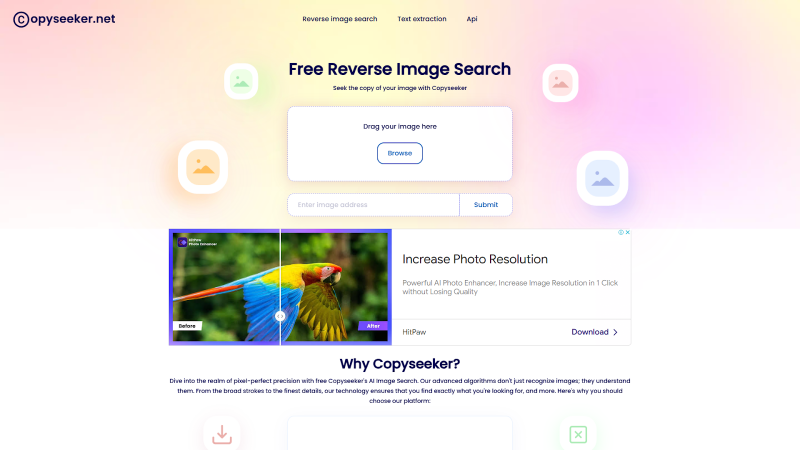
Copyseeker focuses on duplicate image detection, making it useful for creators who want to see where their content is being reused.
Why choose Copyseeker over Lenso AI
Copyseeker is a strong option for users who simply want a free way to check for reused images without committing to a credit system. It does not offer the depth of Lenso, but its simplicity and cost make it appealing for lighter use cases.
Where it falls short
Its index is smaller and its capabilities are limited. It will not catch highly edited images as effectively as Lenso.
5. ImageToText.me (Multi Search Engine Hub)
Rating: 4.0 out of 5

ImageToText.me acts as a gateway that runs searches across Google, Bing, Yandex, and TinEye from one interface.
Why choose ImageToText.me over Lenso AI
It is useful for users who want maximum coverage without manually checking multiple platforms. Researchers, journalists, and SEOs benefit from seeing how different engines interpret the same image. If a user suspects that one engine missed something, this tool makes comparison painless.
Where it falls short
It does not maintain its own index and does not offer alerts, face recognition, or duplicate clustering.
6. ProFaceFinder and Similar Face Search Tools
Rating: 4.3 out of 5

Several emerging platforms compete with Lenso and PimEyes by offering affordable face recognition with emphasis on safety and identity verification.
Why choose ProFaceFinder over Lenso AI
ProFaceFinder is appealing for users who want lower cost facial matching with strong accuracy. It is especially useful for people checking for stolen profile photos or impersonation across social platforms.
Where it falls short
It does not include object recognition, geographic filtering, semantic categories, or monitored duplicate detection.
7. CamFind
Rating: 3.9 out of 5

CamFind is a mobile visual search app that identifies objects and scenes without trying to locate exact duplicates.
Why choose CamFind over Lenso AI
CamFind suits users who want a mobile first tool for recognizing items and scenes. It is ideal for shoppers, travelers, and students who want quick information rather than investigative depth.
Where it falls short
It does not support long term monitoring, face recognition, or deep duplicate analysis.
Comparison Table: Lenso AI and Its Top Alternatives
| Tool | Rating | Best For | Strengths Compared to Lenso | Weaknesses Compared to Lenso |
| Lenso AI | 4.3 | Multi category visual search | Strong semantic matching and duplicate detection | Credit system and regional limits |
| PimEyes | 4.7 | Face tracking and safety | Superior face recognition accuracy | Not useful for objects or scenes |
| TinEye | 4.5 | Copyright and source verification | Mature index and enterprise API | Limited semantic understanding |
| Google Lens | 4.4 | Everyday object recognition | Free, broad, and highly integrated | No monitoring or face alerts |
| Copyseeker | 4.1 | Free duplicate checks | Zero cost entry | Small index and limited precision |
| ImageToText.me | 4.0 | Searching across engines | Wide coverage through aggregation | No original index or alerts |
| ProFaceFinder | 4.3 | Identity protection | Strong facial matching and lower cost | Narrow in scope |
| CamFind | 3.9 | On the go visual search | Simple and mobile friendly | Not suitable for investigators |
How to Choose the Right Alternative Based on Your Needs
- Choose PimEyes if your primary goal is tracking where your face appears online.
It is the most consistent facial recognition option and captures matches that general tools often overlook.
- Choose TinEye if you need proof of duplication or need to verify image authenticity.
Its pixel based matching makes it suitable for legal, editorial, and copyright workflows.
- Choose Google Lens if your goal is general object discovery.
It outperforms nearly every tool in categories involving product identification or landmark recognition.
- Choose Copyseeker if you want something free that performs simple reuse detection.
It is ideal for occasional checking without financial commitment.
- Choose ImageToText.me if you want to compare results across multiple engines.
This helps in investigations where visibility from different countries and indexes matters.
- Choose ProFaceFinder if you want facial search at a lower cost.
It fits users who do not need the full suite of Lenso features but do need solid face matching.
- Choose CamFind if you want a lightweight visual search app that behaves like Google Lens.
It works well for general curiosity and everyday recognition tasks.
Final Thoughts
Lenso AI offers a well rounded mix of facial search, duplicate detection, and object recognition. Its flexibility makes it valuable, but that same generalist nature means other tools outperform it in specific areas. PimEyes surpasses it in face recognition. TinEye surpasses it in copyright verification. Google Lens surpasses it in everyday object intelligence.
The most important step is identifying what you actually need. Face safety, copyright work, general discovery, and OSINT research each require different strengths. Once that is clear, choosing a Lenso AI alternative becomes significantly easier.
Post Comment
Be the first to post comment!