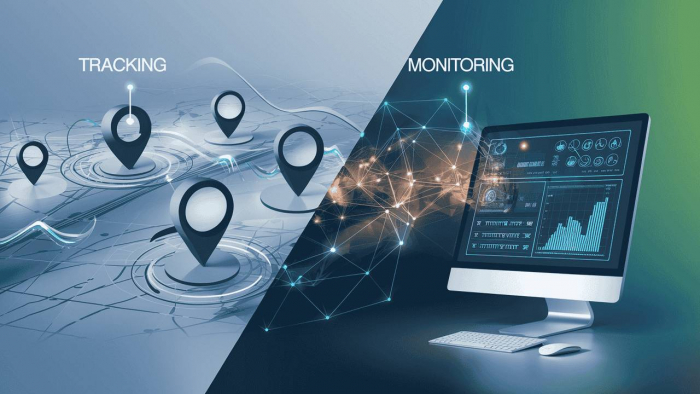
Large office spaces create real challenges for HR teams who need to understand how employees use the workspace each day. HR professionals often struggle to know which areas stay crowded, which rooms sit empty, and how to plan resources for teams that split time between home and office. Indoor employee location tracking helps HR teams collect real-time data about workspace usage, which allows them to make better decisions about office layouts, resource allocation, and support for hybrid work arrangements.
This technology uses sensors and software to monitor how people move through office buildings and which spaces they use most often. The data shows patterns that would otherwise remain invisible to HR managers. For example, it can reveal that meeting rooms on the third floor stay booked whilst similar rooms on other floors sit unused, or that certain desk areas remain empty on specific days.
The benefits extend beyond simple space management. HR teams can use location data to improve workplace safety, reduce costs by rightsizing office space, and create better experiences for employees who need to find colleagues or navigate large buildings. The following sections explore how indoor location tracking works in practice and what HR teams should consider before they implement these systems.
Key Benefits of Indoor Employee Location Tracking for HR Teams
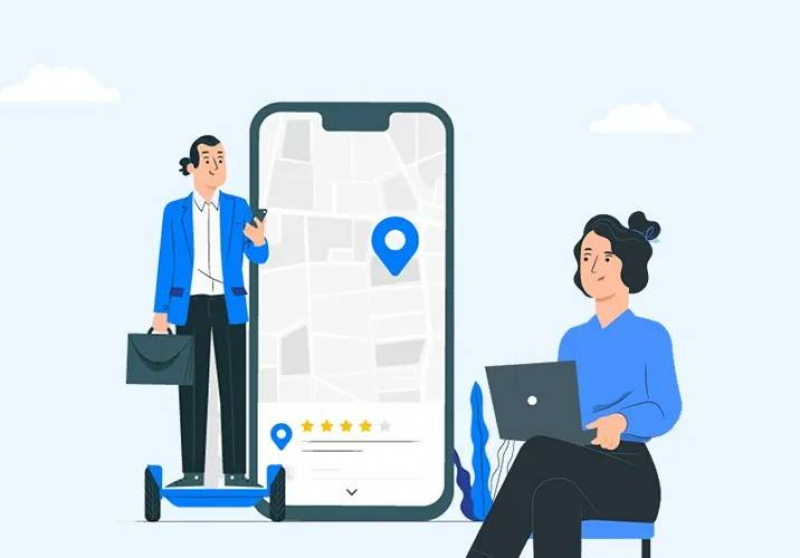
Indoor employee location tracking provides HR teams with real-time data that transforms how they manage large workspaces. The technology delivers practical solutions for space management, safety compliance, employee collaboration, and resource allocation.
Simplifying Workspace Management
HR teams face daily challenges in managing desk assignments, meeting room bookings, and overall space allocation across large facilities. An HR system with indoor employee location tracking helps teams monitor which areas employees use most frequently and identify underutilised spaces. This data allows HR professionals to make informed decisions about workspace layouts and resource distribution.
The system tracks employee movement patterns throughout the day. HR teams can see peak usage times for different areas and adjust schedules or space assignments accordingly. For example, if data shows that certain departments rarely use their assigned areas, HR can reassign those spaces to teams that need more room.
Real-time location data also helps HR staff respond quickly to workspace queries. Employees can find available desks or meeting rooms without searching the entire building. This saves time and reduces frustration for both staff and HR personnel who previously managed these requests manually.
Enhancing Health and Safety Protocols
Location tracking technology helps HR teams maintain safer work environments through better monitoring and faster emergency response. The system provides accurate headcounts for any area of the building at any given time. During emergencies, HR and safety teams can quickly verify that everyone has evacuated safely.
The technology also supports contact tracing when needed. If a health concern arises, HR can identify which employees were in specific areas during particular timeframes. This capability proved valuable for many organisations and remains useful for various safety protocols.
Indoor tracking systems can flag when too many people gather in one space. HR teams receive alerts about overcrowded areas and can take action to redistribute staff. The system also monitors restricted areas and notifies HR if unauthorised access occurs.
Optimising Employee Collaboration
HR teams can use location data to improve how employees work together across large facilities. The system shows which teams interact most frequently and which departments remain isolated. This information helps HR create workspace arrangements that bring collaborative teams closer together.
Location data reveals natural collaboration patterns that might not be obvious through surveys or reports. HR can identify informal meeting spots that employees prefer and invest in improving those areas. They can also spot teams that struggle to connect due to physical distance and develop solutions to bridge those gaps.
The technology supports flexible work arrangements by showing HR which employees work best in different settings. Some staff members may be more productive in quiet zones, whilst others thrive in collaborative spaces. HR teams can use this data to create policies that accommodate different work styles and improve overall productivity.
Data-Driven Space Utilisation
Indoor tracking provides HR teams with concrete metrics about how employees actually use workspace rather than relying on assumptions. The system measures occupancy rates for different areas throughout the day and week. HR can spot trends, such as departments that need more space or facilities that sit empty most of the time.
This data helps HR teams justify budget requests for workspace changes. Instead of presenting subjective observations, they can show leadership exact numbers about space usage and inefficiencies. The evidence makes it easier to secure approval for renovations, expansions, or reconfigurations.
HR departments can also reduce costs through better space management. If data shows that large portions of a building remain unused, organisations can downsize their property footprint or sublease excess space. The system also helps HR teams plan for growth by identifying which areas can accommodate additional staff and which locations have reached capacity.
Implementing Indoor Location Tracking in Large Workspaces
HR teams need to select the right technology, address privacy concerns, and connect location systems with their current software tools. Each decision affects how well the tracking system works and whether employees will accept it.
Choosing the Right Tracking Technology
Different technologies offer different levels of accuracy and cost. Wi-Fi-based systems work with existing network infrastructure, which makes them less expensive to set up. However, they typically provide accuracy within 5 to 15 metres.
Bluetooth Low Energy (BLE) beacons offer better precision, usually within 1 to 3 metres. These small devices attach to walls or ceilings and communicate with employee smartphones or badges. Ultra-wideband (UWB) technology delivers the most precise tracking, down to 10 to 30 centimetres, but costs more to install.
Large workspaces with complex layouts benefit from hybrid approaches. For example, BLE beacons can track general movement patterns whilst UWD handles areas that need exact positioning, such as restricted zones or equipment storage areas. The size of the facility matters too. Buildings over 10,000 square metres often require multiple technologies to maintain consistent coverage.
Battery life and maintenance requirements also influence the choice. BLE beacons need battery replacements every one to three years. Wi-Fi systems use existing infrastructure but may need hardware upgrades to support location features.
Privacy and Compliance Considerations
Employee consent forms the foundation of any location tracking programme. HR teams must explain what data the system collects, how it gets used, and who can access it. Transparency builds trust and reduces resistance.
Data protection regulations such as GDPR require organisations to document their legal basis for processing location information. Most companies rely on legitimate business interests, but they still need to conduct privacy impact assessments. These assessments identify risks and show how the organisation will protect employee information.
Location data should be anonymised whenever possible. Instead of tracking specific individuals, systems can monitor general occupancy patterns or count people in different zones. This approach gives HR teams the insights they need without collecting unnecessary personal details.
Access controls limit who can view location data. Only authorised HR staff and managers should have permission to see employee movements. Audit logs track who accessed the system and what information they viewed. Regular reviews of these logs help prevent misuse.
Integrating Systems with Existing HR Platforms
Location tracking systems need to share data with HR software, access control systems, and facility management tools. Application Programming Interfaces (APIs) allow different platforms to communicate and exchange information automatically.
Most modern HR platforms support API connections. The location system can send occupancy data to workforce management software, which then adjusts staffing levels based on actual office usage. This connection eliminates manual data entry and reduces errors.
Single sign-on (SSO) integration simplifies access for HR staff. They can log in once and use both their HR platform and location tracking dashboard without separate passwords. Directory services such as Active Directory sync employee information across all systems automatically.
Data formatting standards matter for smooth integration. Systems should export information in common formats such as JSON or CSV. Custom fields allow HR teams to match location data with existing employee records. Real-time synchronisation keeps all platforms up to date, whilst scheduled batch updates work well for historical reports and trend analysis.
Conclusion
Indoor employee location tracking gives HR teams the tools they need to manage large workspaces more effectively. The technology provides real-time data about how staff use different areas, which helps teams make better decisions about office layouts and resource allocation. HR professionals can identify underused spaces, improve traffic flow, and create work environments that support both productivity and employee wellbeing.
These systems deliver measurable benefits for organisations that operate hybrid or large office spaces. Therefore, companies that invest in location tracking technology gain valuable insights that lead to smarter workspace management and improved operational efficiency.
Post Comment
Be the first to post comment!