In a decisive move to cement its position as a global technological powerhouse, the Indian government has officially sanctioned a massive $4.6 billion investment package aimed at revolutionizing the domestic electronic component ecosystem. This landmark approval, finalized during a high-level cabinet meeting, signals a paradigm shift in the nation’s industrial strategy, moving beyond assembly to the high-value manufacturing of core electronic precursors. The initiative is designed to drastically reduce the country's reliance on foreign imports, particularly from China, while fortifying the "Make in India" vision for a digital-first economy.
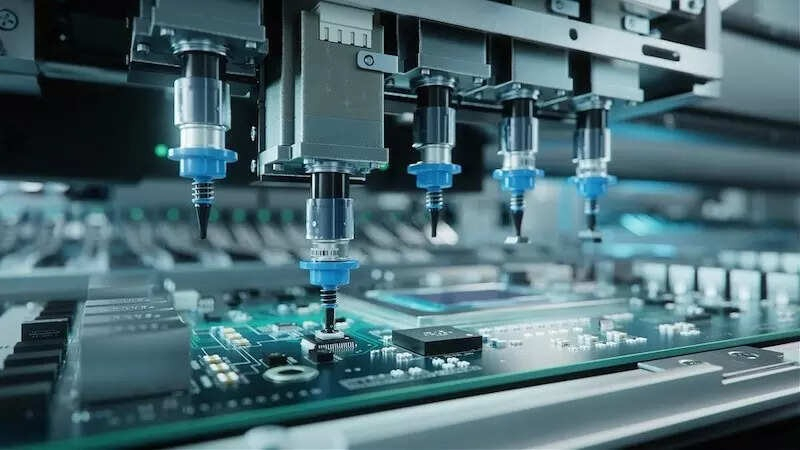
The multi-billion-dollar allocation targets the production of critical hardware including printed circuit boards (PCBs), advanced sensors, high-precision connectors, and specialized semiconductor packaging. By focusing on these foundational elements, New Delhi aims to create a vertically integrated supply chain that can sustain the growing demands of the smartphone, automotive, and defense sectors. Industry experts suggest that this capital infusion will act as a catalyst, attracting top-tier global manufacturers and stimulating local startups to innovate within the hardware space, effectively bridging the gap between design and physical production.
This strategic rollout comes at a time when global corporations are increasingly seeking a "China Plus One" strategy to diversify their supply chains amidst geopolitical volatility. India’s new incentive structure is meticulously crafted to offer competitive advantages that rival established manufacturing hubs like Vietnam and Taiwan. By providing direct financial support and infrastructure subsidies, the government is lowering the entry barrier for complex component fabrication, which has historically been capital-intensive and technologically demanding. The move is expected to generate hundreds of thousands of high-skilled jobs over the next five years, significantly contributing to the national GDP.
Furthermore, the investment is deeply intertwined with the second phase of the Production Linked Incentive (PLI) schemes, which have already seen success in mobile phone assembly. This transition into component manufacturing is viewed by economists as the "missing piece" in India’s industrial puzzle. As the world shifts toward electric vehicles and AI-driven hardware, the domestic availability of these electronic building blocks will ensure that Indian industries remain resilient against global price fluctuations and supply chain disruptions. The government has emphasized that this is not merely a fiscal package but a long-term commitment to technological sovereignty.
The international community is watching closely as India pivots from being a massive consumer market to a formidable global supplier. With the electronics sector projected to reach a trillion-dollar valuation by the end of the decade, this $4.6 billion approval serves as the bedrock for a future where "Designed in India" and "Made in India" are synonymous with global quality. As the first set of projects under this scheme breaks ground, the global electronics landscape is poised for a significant realignment, with New Delhi emerging as a primary heartbeat of the world's digital infrastructure.
Post Comment
Be the first to post comment!