School readiness begins before sirens, weather alerts, or security concerns interrupt the day. It comes from practiced routines, dependable equipment, and calm communication habits that hold under pressure. Students, families, teachers, office personnel, nurses, facilities teams, and responders each need clear direction when minutes feel compressed. A strong alert plan turns written procedures into repeatable actions, giving school communities a more reliable way to protect people, preserve order, and make sound decisions.
Faster Campus Alerts
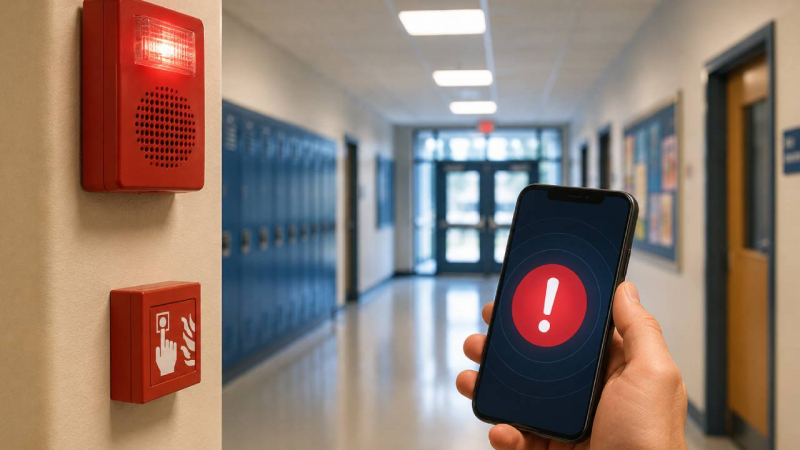
During a campus incident, staff need instructions that reach classrooms, offices, fields, cafeterias, and pickup lines without delay. An emergency notification system for schools provides authorized personnel with a single, controlled channel for urgent messages, reducing scattered calls and hallway confusion. Speakers, text messages, and mobile alerts can deliver the same directive to people who are teaching, walking, supervising, or supporting students.
Better Drill Practice
Drills should leave more than a general sense that staff participated. Time stamps, attendance records, message logs, and response notes show where a plan performed well. They also reveal weak points that would be easy to miss during a busy exercise. Afterward, leaders can adjust routes, scripts, supervision posts, reunification steps, and communication timing. That evidence makes each practice session beneficial rather than ceremonial.
Clear Staff Roles
Confusion grows quickly when duties are vague. Before an emergency, staff groups should know who starts alerts, who supervises students, who checks restrooms, and who contacts responders. Nurses may prepare medications or injury supplies. Facilities teams may secure doors, utilities, or access points. A shared notification process keeps those assignments visible, so teachers can focus on children while administrators work from verified information.
Stronger Accountability
Knowing who is safe changes every decision that follows. Roll call and mustering tools help staff confirm the status of students, employees, visitors, and contractors during lockdowns, evacuations, sheltering, or reunification. A missing status is more than a blank field. It may point to someone who needs medical care, mobility support, or guided evacuation. Live accountability records help leaders send attention where the need appears greatest.
Responder Coordination
Emergency crews need accurate details before they reach the front door. Building location, incident type, entry points, hazards, and live status reports can shape their first actions. Direct emergency communication reduces repeated phone calls, which matters when school personnel are guiding students, calming families, and securing spaces. Shared incident data gives responders a clearer operational picture before they step onto campus.
Device Readiness
An alert plan depends on equipment that works on ordinary days. Panic buttons, speakers, network links, mobile devices, batteries, and backup power all need routine checks. Device monitoring helps facilities teams spot weak batteries, offline units, failed connections, or service needs before pressure rises. Regular testing also builds staff confidence. People act faster when the tools feel familiar, reliable, and easy to reach.
Coverage Across Spaces
Schools are active buildings, not quiet office corridors. Students move through gyms, cafeterias, labs, buses, playgrounds, athletic fields, hallways, and parking areas. A single announcement may miss people during lunch, dismissal, class changes, or loud activities. Layered communication closes those gaps. Audio, text, and mobile notifications can reinforce one another, giving staff several chances to receive the same instruction at the right moment.
Compliance Support
Safety requirements are becoming more detailed across states, districts, boards, and insurance programs. Panic alerts, direct emergency contact, documented drills, response records, and incident reports are now common expectations. Compliance should never be treated as paperwork alone. It gives leaders a measurable standard for testing procedures, correcting gaps, training staff, and showing that safety practices are active rather than stored in a binder.
Conclusion
A strong school alert program is more than a faster message channel. It links people, procedures, equipment, records, and responders into one disciplined readiness process. The strongest results come from clear roles, repeated drills, dependable devices, and communication methods that reach the full campus. With steady practice, schools can replace uncertainty with trained action, helping every person receive better guidance when seconds matter.
Post Comment
Share your thoughts about this article.
Be the first to post a comment!