Running a website or application means you need infrastructure that actually works for you, not against you. Businesses today want hosting that bends to their needs without breaking the bank or forcing them into overly complex setups.
That's where Virtual Private Server technology comes in. It sits right in that sweet spot between basic shared hosting and pricey dedicated servers. Think of it this way: you get serious control without the headache of managing physical hardware. And that matters more than most people realize.
Understanding Virtualized Infrastructure
Here's what makes virtualization interesting. A single physical server gets divided into separate, independent environments. Each one acts like it has its own dedicated hardware. Pretty clever, right?
Multiple users share the same machine, but they never bump into each other. Your neighbor's traffic spike won't slow down your site. The separation is real and enforced by something called a hypervisor, which basically plays referee between all the virtual instances.
Each partition gets its slice of CPU power, RAM, storage, and bandwidth. But here's the main thing: you get root access. That means you can install whatever software you need and tweak settings however you want. Try doing that with shared hosting. You can't. That's the fundamental difference.
Resource Allocation and Customization
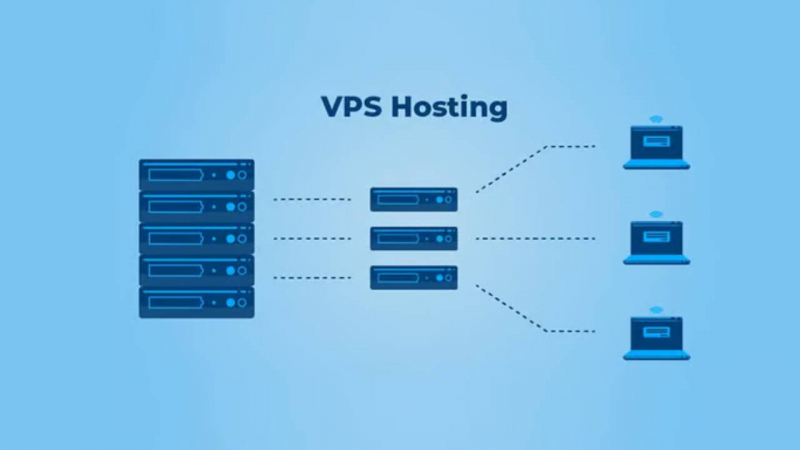
Granular control starts with how you allocate resources. Need more CPU cores for a heavy workload? Done. Want to bump up memory for a database-intensive app? Easy. You adjust things based on what your applications actually need, not what some preset package tells you to accept.
When businesses need reliable infrastructure that adapts to their workflow, choosing hosting VPS provides the control necessary to fine-tune server parameters without the overhead of managing physical hardware. This approach allows teams to scale resources incrementally as traffic patterns change, ensuring consistent performance during peak periods while avoiding unnecessary costs during slower times.
The ability to modify resource allocation on demand makes it easier to respond to evolving business needs and maintain service quality across different usage scenarios. But customization goes way beyond just sliding resource bars around. You pick your operating system. Linux? Windows Server? Your call. Security protocols get configured exactly how your company policy demands. Firewalls follow your rules, not generic defaults. Monitoring tools track what you care about in real time.
This level of customization matters especially when you're running specialized applications. Some software needs specific versions of dependencies. Others require particular configurations to run properly. With granular control, you make it happen instead of hoping your hosting provider supports it.
Performance Benefits of Granular Control
Dedicated resources mean predictable performance. Period. In shared hosting, your site's speed depends on what everyone else on the server is doing. That's unpredictable and frustrating. Virtualized infrastructure guarantees your minimum allocations. Your applications get what they need when they need it.
You can optimize performance directly. Database running slow? Tune the configuration yourself. Pages loading sluggishly? Adjust caching mechanisms on the fly. During traffic spikes, allocate more resources to critical processes. You're in the driver's seat.
Scaling becomes straightforward, too. Business growing? Add more RAM or CPU cores without moving to a completely new infrastructure. Most upgrades happen with minimal downtime. You expand capacity without disrupting service. That's huge for maintaining business continuity.
Security and Isolation Advantages
Isolation creates natural walls between virtual environments. If someone else's site gets compromised, yours stays safe. The compartmentalization limits damage and reduces attack surfaces significantly.
Security configurations get the same granular treatment. Set up firewall rules as strict or lenient as you need. Install intrusion detection systems. Configure automated backups on your schedule. Build access controls that match your organizational policies down to the last detail.
You can even maintain separate staging and production environments on the same infrastructure. Test updates safely without risking your live applications. When something breaks in staging (and it will), your production site keeps humming along just fine.
Here's another advantage people overlook: you decide when security updates happen. No forced patches that might conflict with your existing setup. Schedule maintenance windows when traffic is low. Apply updates at your own pace. That control prevents unexpected downtime and compatibility nightmares.
Managing Infrastructure With Precision
Modern control panels make management surprisingly simple. Visual dashboards show resource usage at a glance. CPU load, memory consumption, disk space, and network traffic are all right there. Spotting bottlenecks becomes easy when you can actually see what's happening.
Automation takes repetitive tasks off your plate. Scripts handle backups, log rotation, and monitoring. APIs let you integrate with other tools you already use. Build workflows that reduce manual work while keeping everything consistent and reliable.
Monitoring tools give you the data that actually drives smart decisions. Real-time alerts catch problems before users notice them. Historical performance data reveals patterns. You can plan capacity upgrades based on actual trends instead of guesses. Proactive maintenance beats reactive firefighting every single time.
Conclusion
Virtualized infrastructure solves a real problem for organizations stuck between shared hosting's limitations and dedicated servers' complexity. The granular control over resources, security, and performance settings lets you optimize everything for your specific needs. You get flexibility that supports growth without sacrificing reliability.
For professionals managing digital infrastructure, these capabilities translate into better outcomes. Build hosting strategies that adapt as requirements change. That's the real value.
Post Comment
Be the first to post comment!