Google’s parent company, Alphabet, is reportedly developing a new artificial intelligence chip intended to make its Gemini models more efficient.
The chip is internally known as “Frozen v2” and is reportedly being considered for release in 2028. It could deliver significantly better performance per unit of electricity than Google’s current AI hardware, according to a report based on unnamed sources familiar with the project.
Google has not officially confirmed that Frozen v2 will enter production. However, the company said its teams regularly research and test new technologies designed to improve performance and efficiency.
The reported chip is being designed for servers that run Google’s Gemini AI models.
Frozen v2 could be between six and 10 times more efficient than Google’s existing AI chips when measured by the number of tokens generated for each unit of power consumed.
Tokens are the small units of text processed and generated by artificial intelligence models. Improving the number of tokens produced for the same amount of electricity could allow Google to serve more Gemini users while reducing energy and infrastructure costs.
Running advanced AI models requires large data centers filled with expensive computing equipment. These facilities also consume substantial amounts of electricity, making energy efficiency an increasingly important factor for companies developing generative AI services.
A more efficient chip could help Google lower the cost of operating Gemini across its consumer products, business services and cloud platform.
Google did not directly confirm the reported specifications or planned 2028 release date.
The company said its teams continuously explore innovations that could provide better performance and efficiency for customers. It also noted that not every experimental project ultimately moves into production.
This means Frozen v2 may still be in an early development stage, and its design, performance targets or release schedule could change.
Google emphasized that its approach involves designing hardware and software together. By developing chips alongside its AI models and cloud systems, the company aims to optimize the entire computing process for real-world workloads.
Google has spent years developing its own artificial intelligence processors, commonly known as Tensor Processing Units.
These chips are designed to accelerate machine learning tasks and support services across Google’s internal systems and cloud infrastructure. They also give the company an alternative to relying entirely on processors supplied by external chipmakers.
Frozen v2 appears to be part of this broader custom hardware strategy. Instead of using the same general-purpose equipment for every workload, Google can design specialized chips around the requirements of Gemini.
This approach may allow the company to improve speed, manage electricity consumption and control more of the infrastructure behind its AI products.
Owning more of its hardware stack could also help Google manage supply constraints as demand for AI computing continues to grow.
Technology companies have invested heavily in data centers, processors and energy capacity to support increasingly powerful AI models.
However, the cost of building and operating that infrastructure has raised questions about whether AI services can generate enough revenue to justify the spending.
More efficient chips could help address those concerns. A processor that generates more output while using the same amount of electricity can reduce the cost of each user request.
This is particularly important for services such as AI assistants, search tools and workplace applications that may process millions of requests each day.
Efficiency improvements could also allow companies to expand access to advanced AI features without increasing infrastructure costs at the same rate.
Google is not the only major technology company pursuing custom AI chips.
Several AI developers and cloud providers are investing in specialized hardware as they attempt to improve performance, secure computing capacity and reduce their dependence on outside suppliers.
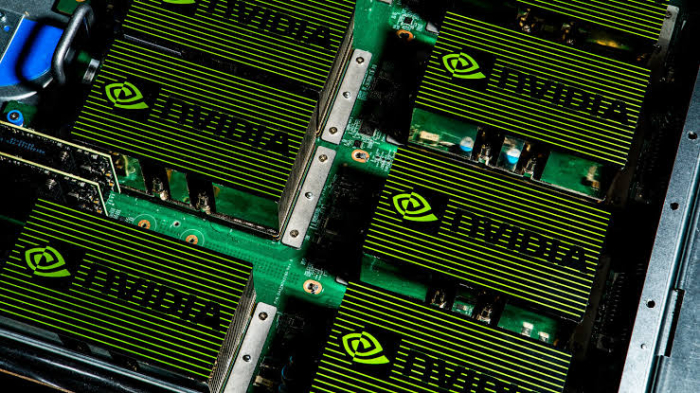
Nvidia remains a dominant provider of processors used for artificial intelligence, but large technology companies increasingly view custom chip development as a strategic advantage.
Designing chips internally gives companies more control over how their models are trained and operated. It can also allow hardware to be tailored to specific software, rather than requiring software teams to work within the limitations of general-purpose processors.
The reported efficiency gains could make Frozen v2 an important component of Google’s future AI infrastructure, but the project remains unconfirmed.
Its expected 2028 arrival also means the chip could undergo major changes before any commercial deployment. Development challenges, manufacturing limitations or changes in Google’s AI strategy could affect the final product.
Still, the report highlights the growing importance of specialized processors in the competition to build faster, less expensive and more energy-efficient AI systems.
For Google, a successful new chip could help the company operate Gemini at a larger scale while gaining greater control over the cost and performance of its artificial intelligence services.
Share your thoughts about this article.
Be the first to post a comment!