Table of Content
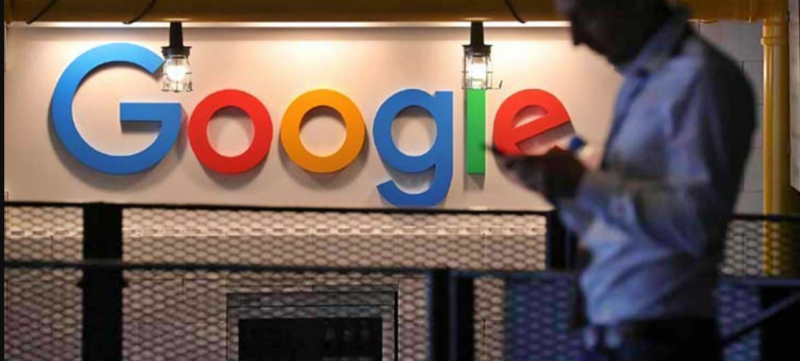
As the digital advertising era faces its toughest cross-examination yet, Google’s vast ad machinery stands at a legal crossroads. In Washington, the final arguments of a closely watched antitrust trial have concluded, leaving Google on the defensive, determined to keep its ad business whole. This is not just courtroom drama; it’s a turning point for the $626 billion global digital ad market, where Google controls roughly 28% the largest share by any tech company.
The Stakes: Billions and Market Power
At the center of this trial lies a single, seismic question: Should Google be forced to split off its ad technology business? Prosecutors say Google’s ad stack gives it unfair leverage, locking out competitors and stifling innovation across the web. Google counters that breaking up its ad backbone would harm publishers, advertisers, and users, forcing prices higher and hobbling performance.
A breakup would rip apart Google’s tightly integrated ad services, from buying and selling to placement and analytics. Analysts warn this could disrupt everything from small publisher revenue streams to the way brands reach consumers, introducing fragmented workflows and technical headaches.
What’s Google Arguing?
Google’s lawyers have spent months painting a picture of complexity. They argue their ad platform is not invincible: Meta, Amazon, and smaller rivals all claim fast-growing slices of the market. The defense team calls the government’s plan “outside the mainstream,” contending that no other democracy has pushed for such a drastic remedy against Google’s ad business.
Google insists its tools benefit millions of small websites and app publishers, making digital advertising cheaper and more efficient. Executives warn that breaking up the ad stack would upend the ecosystem, creating chaos for marketers and upstart businesses alike.
What Comes Next?
Judge Leonie Brinkema now faces a monumental decision, one of the most significant for big tech in two decades. If Google loses, the outcome could reshape the global ad industry and set a precedent for future antitrust cases against Silicon Valley giants. The verdict, expected in early 2026, will be watched not just by lawyers and CEOs but by anyone who relies on digital reach to tell their story or sell a product.
This trial has become a moment of reckoning for tech power and market fairness. Whether Google’s sprawling ad business stays intact or faces a historic split, the ripple effects will alter the flow of money, information, and trust across the entire internet.
Post Comment
Be the first to post comment!