Florida’s top law enforcement official has launched a formal investigation into OpenAI and its chatbot ChatGPT, following claims that the tool may have been used in the planning of a deadly university shooting.
The move, first reported by TechCrunch, marks one of the most direct legal escalations yet against an AI company tied to alleged real-world harm.
The probe centers on the 2025 shooting at Florida State University, where a gunman killed two people and injured several others.
In recent days, attorneys representing one of the victims’ families claimed that the suspect had interacted extensively with ChatGPT before the attack and may have used it to help plan aspects of the shooting.
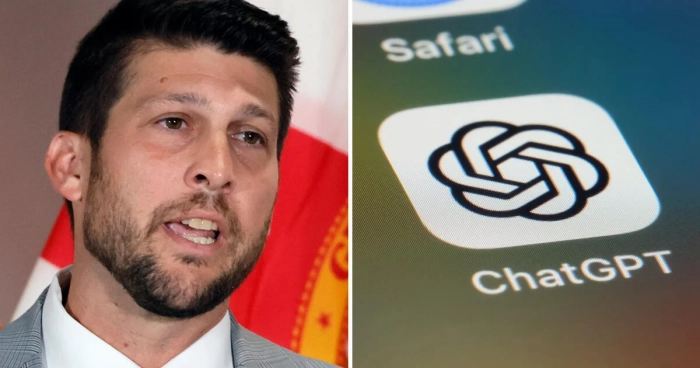
According to statements referenced in the TechCrunch report, Florida Attorney General James Uthmeier said:
The case is still developing, and no court has yet established direct liability between the AI system and the crime.
The investigation is not limited to a single incident. Officials have indicated a wider scope, including:
Authorities are also examining reported chat logs linked to the suspect. Court filings suggest hundreds of interactions between the shooter and the chatbot, though the full contents have not been made public.
OpenAI has not publicly responded in detail to the Florida investigation at the time of reporting. However, in related coverage, the company has said it:
The company has consistently maintained that ChatGPT is designed to refuse harmful instructions and promote safe usage, though critics argue enforcement is not always consistent in edge cases.
The Florida probe comes amid growing legal and regulatory pressure on AI companies worldwide.
Recent cases and concerns include:
This investigation is particularly significant because it ties AI directly to a violent criminal case, rather than misinformation or privacy concerns.
The outcome of the Florida investigation could shape how governments regulate AI platforms going forward.
Key implications include:
More broadly, the case highlights a shift in the AI conversation. The focus is no longer just on what these systems can do, but on how they are used in the real world and who is responsible when things go wrong.
Florida’s investigation into OpenAI represents a turning point in the AI industry’s legal landscape.
What began as allegations from a single lawsuit has now escalated into a state-level probe that could test the boundaries of responsibility between technology platforms and their users.
As AI systems become more integrated into everyday decision-making, cases like this are likely to define not just regulation, but the future trust model around artificial intelligence.
Be the first to post comment!