Overview
FakeYou sits in a specific corner of the “AI voice” world: it’s built more for experimentation, fandom voices, memes, and quick character-style lines than for “studio-grade narration” or enterprise voice production. The platform is community-powered, meaning a lot of what you experience i.e. voice variety, quality consistency, and moderation outcomes comes from how that community’s models are created and managed.
Key Product Categories
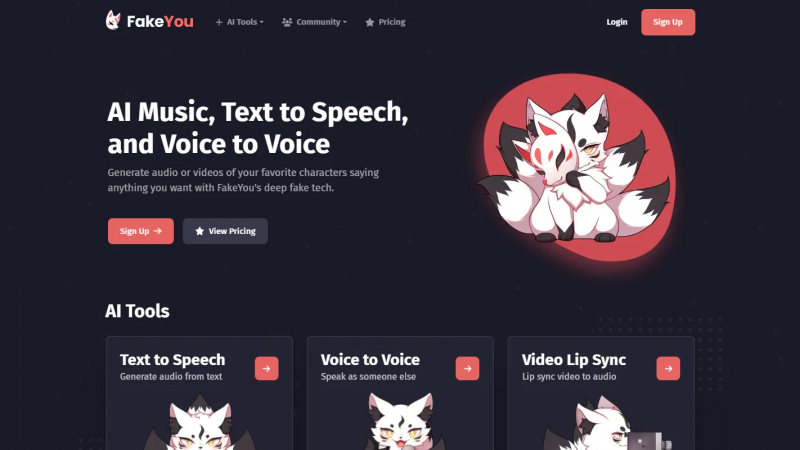
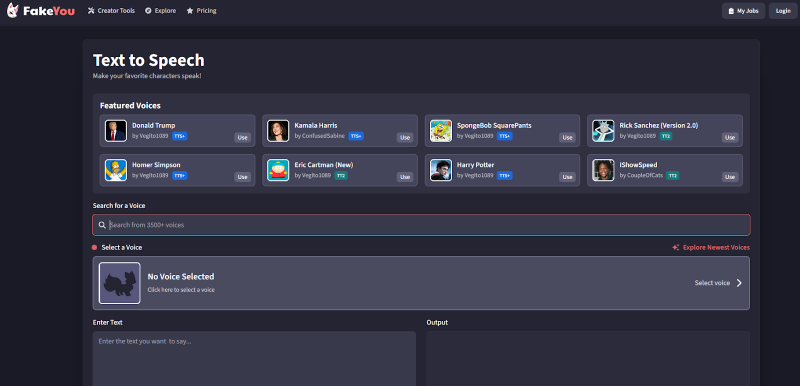
1) Text-to-Speech (Character voice library) : This is FakeYou’s “main event” for most users: pick a voice, type a line, generate audio. The upside is breadth and speed; the trade-off is that not every model is good, and results can vary across voices.
2) Voice Conversion (Voice-to-Voice) : You feed in your recording (or an audio file) and convert it toward a target voice. It’s oriented toward creative transformations, not precision voice acting.
3) Voice Designer / Voice Cloning: This is where FakeYou becomes higher-risk and higher-reward: custom voice creation. Community discussion shows mixed satisfaction—some users report clones that “don’t sound like the dataset,” especially on free/low-priority usage.
4) Developer API : FakeYou publishes API documentation and notes rate limiting to prevent abuse, with optional tokens. If you’re building a bot or app, this matters because it directly affects reliability and throughput.
Features That Matter
● Huge voice catalog (community-built): Great for variety; inconsistent for quality.
● Queue/priority system: Free users often experience waiting; paid tiers generally reduce friction.
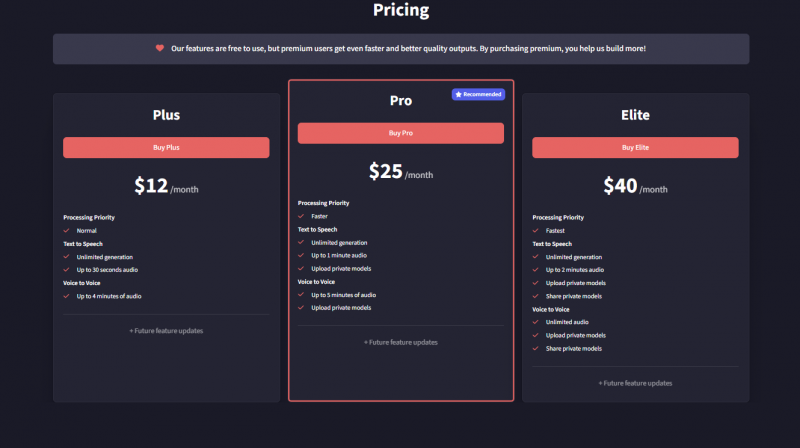
● Short-form output constraints: Many plans/tools emphasize shorter clips (good for memes/short videos, limiting for narration).
● Upload/private model options (higher tiers): Useful if you want separation from public voice lists, but it’s also where consent/compliance becomes your responsibility.
Pricing and Plan
Ratings by Platform
| Platform | Avg Rating | #Reviews (used/ referenced) |
| Trustpilot | Around 3–3.5/5 | Very low (single digits publicly visible) |
| G2 | Individual ratings 4–5/5, but small sample | Very low (a few reviews) |
| Tool/directories (Wavel, Alternatives, Quarule, others) | Often present FakeYou positively for features but describe user satisfaction as mixed; some editors score it around 4/5 for features, lower for reliability. | N/A (editorial + small user samples) |
| Reddit & communities | sentiment ranges from enthusiastic (for memes and free use) to frustrated (for speed and outages). | Many scattered posts, not uniform |
Top Praises
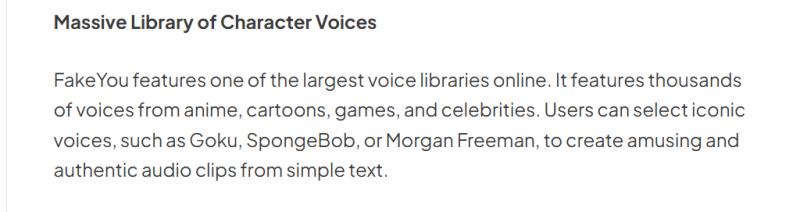
● Huge community voice library, including celebrities, anime, gaming and meme voices.
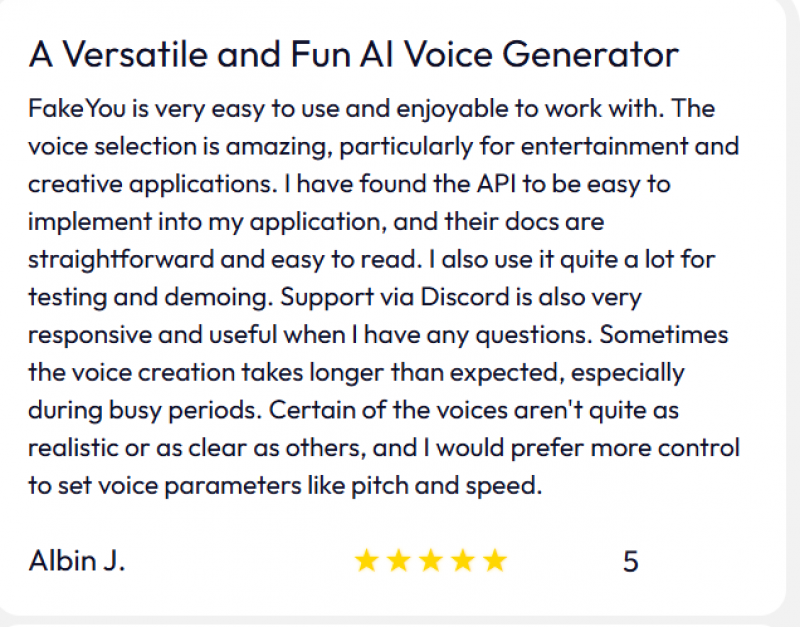
● Very easy and fun to use for casual projects; low barrier to entry for non-technical creators.
● Free tier lets users experiment a lot before paying, making it attractive to small creators and hobbyists.
● Active community and Discord support are appreciated by some developers integrating the API .
Top Complaints
● Slow generation and long queues, especially for free users and during peak hours; even paid tiers can be slow under load.

● Inconsistent voice quality; some models sound convincing, others robotic, glitchy, or lacking emotional depth.
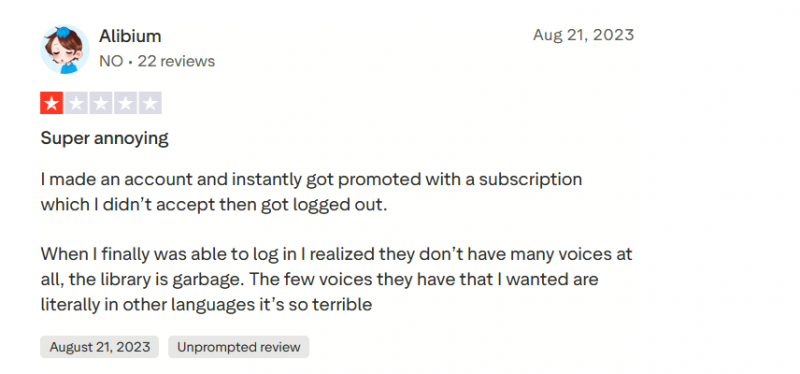
● Pricing perceived as high relative to reliability and quality, especially for serious or professional use .
● Occasional crashes, glitches, and voice-load failures that require refreshes.
● Legal/commercial ambiguity when using celebrity/fictional voices for monetized or branded content.
Who Should / Shouldn’t Use FakeYou
Best fit
● Hobbyists, meme creators, and fan editors who value variety of character/celebrity voices more than perfect realism or strict uptime.
● Small YouTubers, streamers, or social accounts who are okay with occasional delays and re-generations, and mainly produce parody, fan-dub, or non-commercial content.
● Developers or tinkerers who want to experiment with a community-driven voice library and do not need enterprise-grade SLAs or legal clarity for brand campaigns.
Poor fit
● Professional content creators, agencies, or businesses with tight deadlines or high production volumes, where long or unpredictable queues materially hurt workflow.
● Brands needing clearly licensed, legally-safe voices for advertising, localization, or corporate e-learning, where celebrity/character-based models and unclear commercial rights are risky.
● Users who prioritize ultra-realistic, emotionally rich speech quality over variety and are willing to pay more for that (e.g., audiobook producers, premium video courses).
Nearest Alternatives (Pick based on your goal)
Instead of “best,” think “best for this job”:
● If you want higher realism + creator-grade control
ElevenLabs (strong policies and mainstream creator adoption; clear pricing page)
● If you want voice cloning with broader production features
Play.ht (markets multilingual synthesis + voice cloning)

● If you want creator-focused voice tools with commercial hooks
Uberduck (TTS + voice conversion + voice cloning; published pricing)
● If you want “licensed/pro voice replication” vibes
Respeecher is often positioned more toward professional/rights-managed use cases than meme-first platforms.
Final Verdict: Should you use FakeYou?
FakeYou shines as a chaotic, community-powered voice playground, not as a reliable production tool. Its massive catalog of fan-made celebrity and character voices is unmatched for memes, fan-dubs, and experimental content, but quality is inconsistent and queues can be painfully slow, even on paid plans. For hobby channels and parody projects it’s worth using; for clients, strict deadlines, or brand-safe commercial work, reviews consistently recommend looking elsewhere or treating FakeYou as a side toy, not core infrastructure.
Post Comment
Be the first to post comment!