Table of Content
- What Is Cloud Migration at Scale?
- Why Businesses Are Moving to the Cloud
- Building the Right Cloud Migration Strategy
- Choosing Between Cloud Models
- Understanding the Migration Process
- Migration Approaches Explained
- Ensuring Security and Compliance
- Cloud Architecture and Cloud Native Transformation
- Managing Cloud Costs and Cloud Economics
- Supporting Business Continuity and Minimal Disruption
- Post Migration and Ongoing Services
- Unlocking Business Value Through Cloud Transformation
- Choosing the Right Cloud Migration Partner
- Final Thoughts
Modern organisations are under constant pressure to modernise systems, reduce costs, and improve performance. That’s why end to end cloud migration solutions at scale have become a core priority for businesses looking to stay competitive. Whether you're moving from legacy systems or optimising existing deployments, the right cloud migration approach can unlock real business value.
Working with experienced cloud migration companies like Pulsion ensures your migration is structured, secure, and aligned with long-term business outcomes. A strong cloud migration partner will guide your cloud migration journey from planning through to post migration optimisation, helping you avoid disruption and maximise results.
What Is Cloud Migration at Scale?
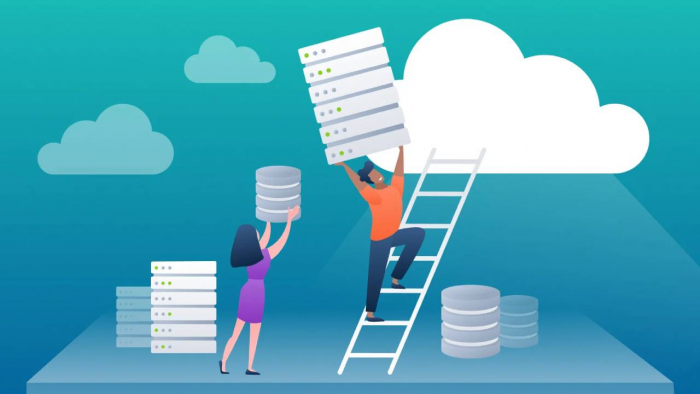
Cloud migration refers to the process of moving applications, data, and workloads from existing infrastructure into a cloud environment. At scale, this involves migrating multiple systems, business units, or even entire organisations across cloud platforms such as Google Cloud, Microsoft Azure, and other public cloud providers.
Unlike smaller migrations, enterprise-level cloud migration solutions require detailed migration plans, a clearly defined migration strategy, and the ability to manage complex hybrid cloud and multi cloud architectures.
Businesses often need to migrate workloads from legacy systems into a new cloud environment while maintaining business continuity and ensuring minimal disruption to ongoing business operations.
Why Businesses Are Moving to the Cloud
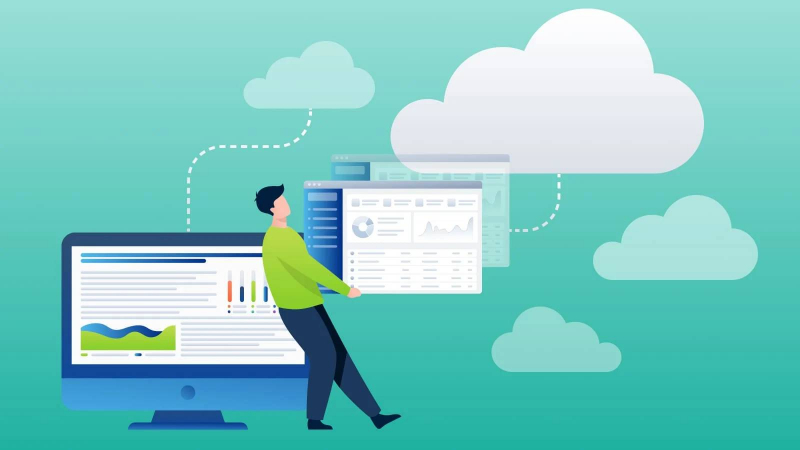
Organisations are investing in cloud migration services to unlock flexibility, scalability, and cost efficiency. Traditional infrastructure often limits growth, while modern cloud platforms enable businesses to fully leverage cloud capabilities and support future growth.
Key drivers include:
- Reducing cloud costs through better resource utilization
- Improving security and compliance across systems
- Enabling cloud native architectures and cloud native technologies
- Supporting analytics platforms and modern data platforms
- Enhancing integration capabilities across systems
Cloud transformation is no longer optional. It’s a necessary step for organisations aiming to stay competitive in a digital-first world.
Building the Right Cloud Migration Strategy
A successful cloud migration starts with a strong cloud migration strategy. This includes assessing current infrastructure, defining business outcomes, and selecting the right cloud providers.
Your migration strategy should include:
- A detailed assessment of existing infrastructure and legacy systems
- Identification of mission critical workloads
- A migration wave plan to prioritise workloads
- A clear migration plan aligned with business outcomes
- Defined success metrics to measure progress
Choosing the right cloud migration partner is essential here. They help design cloud strategies that align with your organisation’s goals while ensuring compliance requirements and regulatory requirements are met.
Choosing Between Cloud Models
Modern cloud migration solutions support multiple deployment models, including public cloud, private cloud, hybrid cloud, and multi cloud environments.
Public Cloud
Public cloud platforms like Microsoft Azure and Google Cloud provide scalability and flexibility, making them ideal for most workloads.
Private Cloud
Private cloud environments offer more control and are often used for sensitive data and compliance-heavy industries.
Hybrid Cloud
Hybrid cloud combines on-premise systems with cloud infrastructure, allowing businesses to gradually migrate workloads while maintaining control over critical systems.
Multi Cloud
Multi cloud strategies involve using multiple cloud providers to reduce risk and improve resilience. Multi cloud architectures are particularly useful for organisations seeking flexibility and avoiding vendor lock-in.
Hybrid cloud environments and multi cloud setups are now standard for large-scale cloud initiatives.
Understanding the Migration Process
The migration process involves several key stages:
1. Assessment and Planning
This stage evaluates current infrastructure, identifies dependencies, and defines a migration strategy.
2. Migration Execution
Workloads are moved using approaches such as lift and shift, rehosting lift and shift, or more advanced transformations.
Tools like AWS Database Migration Service can support data transfer during this stage.
3. Optimisation and Post Migration
Post migration activities include performance tuning, cost optimisation, and continuous monitoring.
A successful migration ensures that systems are not only moved but also optimised to fully leverage cloud capabilities.
Migration Approaches Explained
Different workloads require different approaches:
- Lift and shift: Moving systems with minimal changes
- Rehosting lift and shift: A quick way to migrate workloads without redesign
- Refactoring: Adapting applications to cloud native architectures
- Replatforming: Making targeted improvements for better performance
Choosing the right migration strategy depends on your business goals, existing infrastructure, and long-term cloud transformation plans.
Ensuring Security and Compliance
Security and compliance are critical throughout the cloud migration journey. Businesses must ensure that data security, data encryption, and compliance capabilities are built into every stage of the migration process.
Key considerations include:
- Meeting regulatory requirements and compliance requirements
- Implementing strong data encryption policies
- Maintaining security and compliance across hybrid cloud and multi cloud environments
- Ensuring secure access to cloud resources
A strong cloud migration partner will ensure your cloud environment meets all security and compliance requirements from day one.
Cloud Architecture and Cloud Native Transformation
Modern cloud migration solutions go beyond simple infrastructure migration. They focus on building scalable cloud architecture and enabling cloud native transformation.
This includes:
- Designing cloud native architectures
- Leveraging serverless computing
- Using cloud native technologies to improve performance
- Building scalable data platforms and analytics platforms
Cloud native capabilities allow businesses to innovate faster and respond to changing market demands.
Managing Cloud Costs and Cloud Economics
One of the biggest concerns for organisations is cloud spending. Without proper planning, cloud costs can quickly increase.
Effective cloud economics focuses on:
- Optimising resource utilization
- Monitoring cloud spending
- Aligning cloud resources with business needs
- Using cost management tools within cloud platforms
Continuous monitoring and optimisation ensure long-term cost efficiency while maintaining performance.
Supporting Business Continuity and Minimal Disruption
A well-executed migration ensures business continuity and minimal disruption to operations. This is especially important when dealing with mission critical workloads.
Strategies include:
- Phased migration using a migration wave plan
- Testing workloads before full deployment
- Maintaining fallback options during migration
- Ensuring ongoing services remain operational
The goal is to migrate workloads seamlessly while keeping business operations running smoothly.
Post Migration and Ongoing Services
Cloud migration doesn’t end once systems are moved. Post migration support is essential to ensure long-term success.
Post migration activities include:
- Continuous monitoring and anomaly detection
- Performance optimisation
- Enhancing integration capabilities
- Managing cloud infrastructure and cloud environment
Ongoing services and managed services help organisations maintain performance, security, and compliance over time.
Unlocking Business Value Through Cloud Transformation
The ultimate goal of cloud migration is to deliver measurable business outcomes. A successful cloud migration enables organisations to:
- Improve operational efficiency
- Enhance scalability and flexibility
- Support future growth and innovation
- Enable better decision-making through data platforms
Cloud adoption allows businesses to fully leverage cloud capabilities and build a foundation for long-term success.
Choosing the Right Cloud Migration Partner
Selecting the right cloud migration partner is one of the most important decisions in your cloud migration journey.
Look for a partner that offers:
- Proven cloud migration services
- Expertise across cloud platforms like Azure and Google Cloud
- Experience with hybrid cloud and multi cloud architectures
- Strong focus on security and compliance
- End to end cloud migration solutions
The right partner will help you define the right cloud migration strategy, execute a successful migration, and support ongoing optimisation.
Final Thoughts
End to end cloud migration solutions at scale are essential for organisations looking to modernise their IT landscape. From defining a migration strategy to managing post migration optimisation, every step plays a critical role in achieving successful cloud transformation.
By working with the right cloud migration partner, leveraging modern cloud platforms, and implementing a structured migration process, businesses can unlock real business value and position themselves for future growth.
Post Comment
Be the first to post comment!