The global artificial intelligence landscape is bracing for a significant shift as the Beijing-based research firm DeepSeek prepares to launch its next-generation coding model in February 2026. This move, first reported by The Information and corroborated by industry insiders, marks a strategic escalation in the competition between Chinese AI innovators and Western tech giants like OpenAI and Google. Following the massive success of its previous open-source releases, DeepSeek’s upcoming model is expected to focus heavily on advanced logical reasoning and autonomous software engineering capabilities, aiming to provide developers with a tool that rivals the most sophisticated proprietary systems currently on the market.
DeepSeek has rapidly ascended to the forefront of the AI sector by championing a philosophy of high-efficiency training and transparency. Unlike many of its competitors who rely on massive computational clusters and multi-billion dollar hardware investments, DeepSeek has consistently demonstrated that superior performance can be achieved through algorithmic optimization and refined data curation. The upcoming February release is rumored to build upon the architecture of the DeepSeek-V3 and R1 series, which previously stunned the industry by matching or exceeding the benchmarks of GPT-4o in specific technical domains, particularly in mathematics and programming. This trajectory suggests that the new model will not merely be an incremental update but a specialized tool designed to handle complex codebase architecture and multi-step debugging with unprecedented precision.
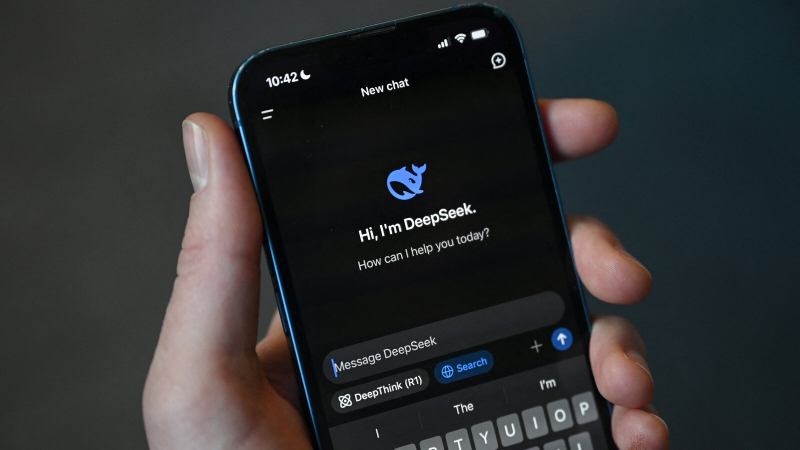
The timing of this launch is particularly notable as the international tech community faces rising costs for AI integration. By offering high-performance capabilities that often remain accessible to the developer community, DeepSeek is positioning itself as the primary alternative for enterprises looking to scale their software development without the "vendor lock-in" associated with American cloud providers. Market analysts suggest that a specialized coding model could drastically reduce the time required for legacy system modernization and the development of new applications, potentially shifting the center of gravity for software innovation toward the East.
Furthermore, the anticipation surrounding this release highlights the growing divergence in AI development strategies. While some firms continue to pursue "General Purpose" intelligence, DeepSeek’s focused approach on coding suggests a belief that the most immediate economic value of AI lies in its ability to augment human technical labor. As February approaches, the technology sector remains on high alert, waiting to see if DeepSeek can once again deliver a performance-to-cost ratio that forces its competitors to rethink their development roadmaps. If the new model meets the high expectations set by its predecessors, it could solidify DeepSeek’s reputation as the most disruptive force in the modern AI era.
Post Comment
Be the first to post comment!