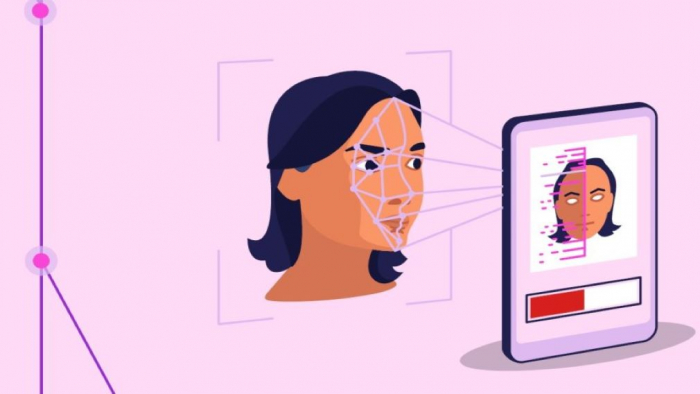
A sophisticated AI-powered impersonation attempt at BSE Ltd. has highlighted the growing threat of deepfake fraud in corporate environments. The incident involved a fake video message that appeared to show CEO Sundararaman Ramamurthy urgently requesting a money transfer.
The attempt ultimately failed, but security experts say the case underscores how quickly AI-enabled social engineering is evolving.
According to the report, a BSE employee received a WhatsApp video message that convincingly mimicked Ramamurthy’s face and voice. The message instructed the employee to move funds urgently.
The video and audio were generated using AI tools designed to replicate real individuals, turning the message into a high-risk financial fraud attempt.
Fortunately, the employee noticed red flags.
The request arrived via WhatsApp rather than official corporate channels and was sent to the employee’s personal phone instead of a company device. Those inconsistencies raised suspicion, and the employee did not act on the instructions.
Security specialists warn that this case represents a broader shift in cybercrime tactics.
Traditional business email compromise relied on text-based impersonation. Deepfake technology now allows attackers to simulate senior executives in video and voice, dramatically increasing credibility.
The psychological pressure is significant. When employees believe instructions are coming directly from a CEO, especially with urgency or confidentiality framing, the likelihood of compliance rises sharply.
This makes financial and treasury teams particularly high-value targets.
Following the incident, BSE conducted internal reviews and reinforced guidance to staff. Employees were reminded that official financial instructions will not be delivered through informal channels such as WhatsApp.
Security leaders cited in the report say organizations are now accelerating several protective measures:
Many firms are also introducing multi-person approval workflows for sensitive financial actions.
Experts increasingly view AI-driven impersonation as an emerging executive-level threat category.
The expectation is that CEOs and boards will spend more time working with CISOs and security teams to build layered defenses against deepfake fraud.
Unlike traditional phishing, these attacks combine visual realism, voice cloning, and behavioral pressure. That combination makes them harder to detect and more dangerous if successful.
The failed BSE deepfake attempt is less a one-off incident and more an early warning.
As AI tools make high-quality impersonation cheaper and faster, organizations face a new class of social engineering risk that targets trust itself. The companies that adapt their verification culture, communication policies, and employee training fastest will be best positioned to avoid becoming the next headline.
Be the first to post comment!