The closing weeks of 2026 have solidified a profound shift in the global industrial landscape, marking the year that data centers transitioned from invisible backend utilities to the epicenter of geopolitical and economic strategy. For decades, these massive warehouses of silicon and cooling fans operated in the shadows of the digital economy, rarely crossing the minds of the general public. However, the unprecedented acceleration of generative artificial intelligence and the insatiable demand for high-performance computing have turned data centers into the "new oil" of the 21st century. What was once a niche concern for IT departments is now a primary focus for heads of state, energy regulators, and Wall Street investors, as the physical infrastructure of the internet becomes the ultimate arbiter of national competitiveness.
The primary catalyst for this visibility has been the sheer scale of the energy requirements needed to sustain the AI boom. As large language models grew in complexity throughout the year, the power grid became the ultimate bottleneck for innovation. In 2025, we witnessed a historic decoupling of the tech industry from traditional green energy narratives, as hyperscalers like Microsoft, Amazon, and Google moved aggressively into nuclear energy. The reactivation of retired reactors and the massive investment in Small Modular Reactors (SMRs) redefined the relationship between Big Tech and the utility sector. This year proved that software prowess is no longer enough; the winners of the digital age are now defined by their ability to secure gigawatts of power and the physical real estate to harness it.
Beyond the electrical grid, the geographical footprint of data centers sparked a global conversation regarding resource management and community impact. From the outskirts of Northern Virginia to emerging hubs in Southeast Asia and the Nordic regions, the expansion of these facilities met with a mixture of economic enthusiasm and environmental scrutiny. The debate over water consumption for cooling systems and the strain on local infrastructure forced the industry toward radical transparency and innovation. We saw the rapid adoption of liquid cooling technologies and closed-loop systems, as well as the exploration of unconventional environments including underwater modules and high-altitude deployments to mitigate the heat generated by the latest generation of Blackwell and Rubin-class GPUs.
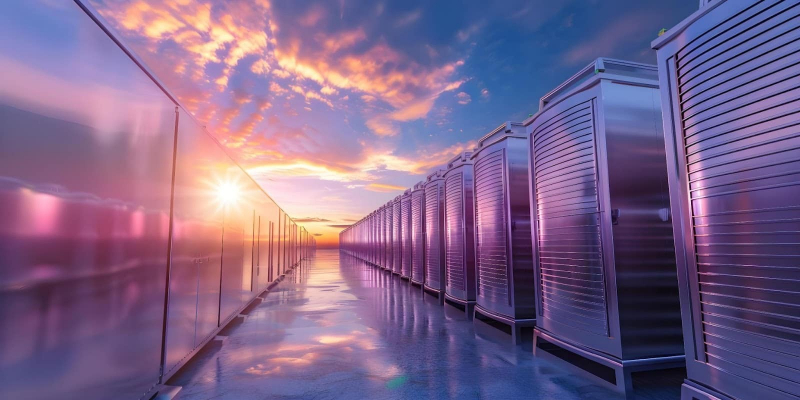
Furthermore, 2026 marked the year that "data sovereignty" moved from a legal concept to a physical reality. Nations that previously relied on cross-border cloud services began mandating the construction of domestic data centers to ensure that their citizens' data remained within their borders. This balkanization of the cloud has led to a construction frenzy, with specialized real estate investment trusts (REITs) seeing record-breaking valuations. The data center is no longer just a place where information is stored; it is a fortress where national security is maintained and where the intellectual property of the future is processed. As we look toward 2026, the industry is no longer viewed as a support function for the internet, but as the foundational bedrock upon which the entire global economy is built.
Post Comment
Be the first to post comment!