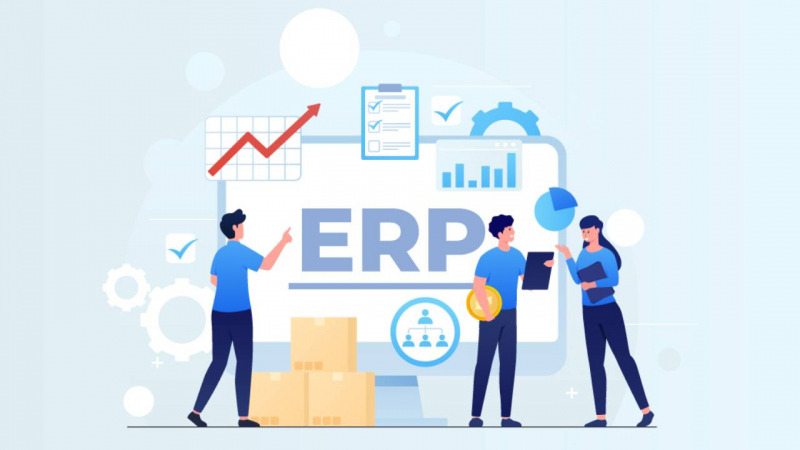
The better you do, the more complex problems you'll have as a growing organization. Coordinating departments, utilizing resources, and maintaining information are critical. To solve these kinds of issues, an enterprise resource planning (ERP) system can address issues expediently. Such software provides tools for growth and consistency by centralizing key functions.
By knowing which features are most useful, decision-makers can pick a solution that suits them the most. Understanding common ERP features helps businesses choose the right system for their needs. Let's look at the core features that support growing organizations. Below are the key capabilities that drive efficiency and scalability.
Centralized Data Management
One place to store information minimizes mistakes. Employees can view up-to-date information without clicking through multiple sources in your company. Centralized data management helps prevent duplication and ensures accurate records. It also encourages collaboration between teams. This allows staff to find what they need quickly, which translates to smoother daily operations and streamlined communication overall.
Automated Workflow Processes
As teams grow, manual tasks slow everything down. Automation can save a lot of time and reduce the possibility of errors. This means that routine activities, like invoicing or updating inventory details, can be executed without the need to monitor them all the time. This enables staff to better spend their time on work that matters. Automating through an ERP makes sure that the procedures go through the same steps each time.
Financial Management Tools
Growth requires managing your finances correctly. ERP software encompasses budgetary, accounting, and reporting functions. Identifying trends and spotting potential challenges is made easier by accurate expense and revenue tracking. These tools produce reports that assist in making well-informed decisions. Organizations can plan or decide how to allocate resources with much more confidence when they understand the money flow clearly.
Inventory and Supply Chain Control
High growth demands trustworthy oversight of inventory and supply chains. These ERP platforms usually have modules for tracking stock levels, shipments, and supply chain relationships. This ensures that there are no shortages or overstock situations. Improved visibility allows organizations to respond faster to changing demand. Effective control of inventory mitigates waste and increases operational efficiency.
Human Resources Management
When companies grow, especially to larger numbers, managing people becomes more challenging. According to the U.S. Small Business Administration, effective employee management is crucial for business growth. Things like payroll, benefits, and performance reviews can be managed effectively with ERP systems. Centralizing all employee data in a secure location not only protects everyone but also keeps organizations compliant with regulations. Automated reminders regarding certifications or due dates allow managers to remain organized. Improved human capital management enhances employee happiness and performance
Customer Relationship Management
It is important to keep your clients happy to achieve sustained success. ERP solutions usually comprise customer relationship management modules. These tools are used to house contact information, record interactions, and keep tabs on sales opportunities. This gives teams a more complete picture of their customer interactions, so they can respond better to inquiries and problems. Happy clients are more likely to return and refer.
Scalable Architecture
Growing enterprises need software that will change as their needs change. Most ERP solutions feature scalability, which means that as your business grows, new functionality or users can be added seamlessly. Flexible design does not interrupt work when it is time to expand. Scalable architecture enables the system to remain functional even as the organization matures. This type of adaptability can save time and money by eliminating the need for a more significant upgrade.
Real-Time Reporting and Analytics
Good decisions need timely information. Most ERP platforms integrate real-time reporting and analytical tools. These capabilities provide immediate visibility into operations, finance, and performance. It allows leaders to quickly take action whenever trends are detected or problems are encountered. Analytics provides details that assist with strategy formulation and identify improvement areas.
Compliance and Security
Due diligence for the protection of sensitive data and compliance is key. ERP software provides access control, encryption, and audit trails. These characteristics protect against data loss and unauthorized access to data. Built-in regulatory compliance support helps organizations adhere to legal standards. Such an emphasis on security can establish your credibility with potential clients, staff, and partners alike.
Conclusion
Companies with rapid expansion can capitalize on ERP features for streamlining operations, protecting data, and making informed decisions. Centralized data, automated processes, and a scalable design support the achievement of growth. Daily operations are kept on track by financial, human resources, and inventory modules. Businesses that expand can continue on the path to success with the right ERP features that help them to take on new challenges with confidence.
Post Comment
Be the first to post comment!