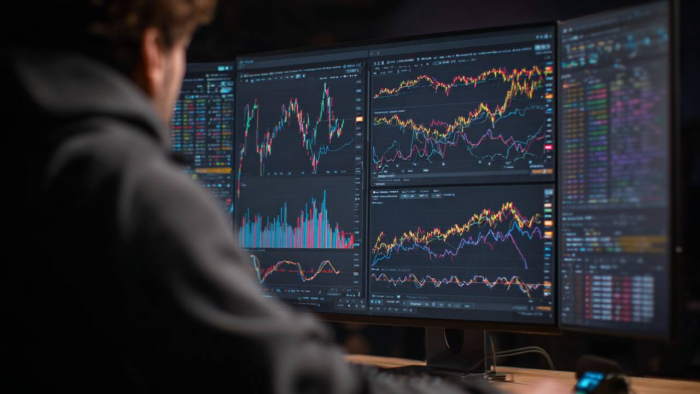
The trading technology has gone a long way in the past few years, with order flow analysis moving from niche institutional use to standard equipment for serious retail traders. Modern order flow trading software provides real-time visibility into market dynamics that price charts alone cannot cover. So far, those are the most functional tools that give users the ability to see actual buying and selling pressure as it develops. But which tools are truly worth it in 2026?
Top Order Flow Platforms for 2026
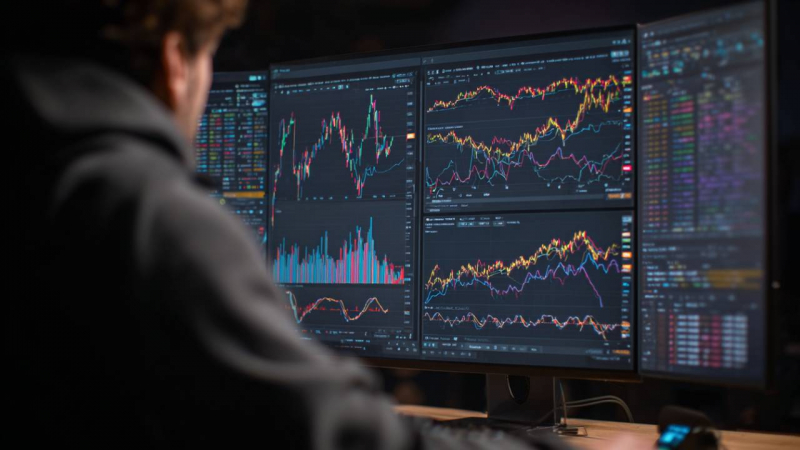
Order flow platforms serve different purposes depending on whether a trader needs deep customization, beginner-friendly interfaces, or specialized visualization techniques for specific markets.
Sierra Chart
Sierra Chart has maintained its position as one of the most respected platforms among professional traders, particularly those trading futures markets. The software offers extensive customization options for order flow visualization, including footprint charts, volume profiles, and time and sales displays. Its high-performance architecture and low-latency execution make it well-suited to fast intraday and automated trading strategies, while its relatively low-cost subscription packages appeal to active, cost-conscious traders.
The platform supports multiple data feeds and broker connections, allowing users to configure their setup based on specific market requirements. While Sierra Chart's interface appears dated compared to newer competitors, its functionality and reliability have earned it a dedicated following among technical traders who prioritize performance over aesthetics.
ATAS Platform
ATAS provides a complete suite of order flow analysis tools designed for both futures and crypto markets. The platform combines cluster charts, volume delta analysis, and smart DOM displays that show where institutional orders cluster around key price levels. Traders working with ATAS order flow software gain access to time-based volume profiles, cumulative delta indicators, and market depth visualization that updates tick-by-tick during active sessions.
This professional trading software supports direct connections to major futures brokers and cryptocurrency exchanges, eliminating the need for third-party data feeds in many cases. ATAS also includes detailed historical replay functionality, allowing users to practice reading patterns on past market sessions before applying strategies to live trading.
Bookmap
Bookmap creates a three-dimensional heatmap that shows liquidity and orders over time, allowing traders to see how the order book has evolved and identify areas where large orders were placed, pulled, or filled. The platform integrates with major futures and cryptocurrency exchanges, providing real-time data that updates as market conditions change. Bookmap's visual approach appeals to traders who process information better through graphics rather than numerical displays.
NinjaTrader
NinjaTrader combines order flow analysis with full trade execution capabilities, making it a complete trading workstation rather than just an analysis tool. The platform includes native footprint charts, imbalance indicators, and volume profile studies that work across futures and forex markets. Key features include:
● Custom strategy development using C# programming language.
● Third-party ecosystem with thousands of indicators and automated systems.
● Free simulation mode for testing strategies without capital risk.
● Multi-broker connectivity for routing orders to different execution venues.
The platform offers both free and paid licensing tiers, with the free version providing full functionality for simulated trading and basic charting.
MotiveWave
MotiveWave targets Elliott Wave practitioners and pattern traders who want order flow confirmation for their analysis. The platform integrates traditional wave counting tools with volume profile displays, market delta indicators, and order book visualization. This combination helps traders validate wave structures using actual transaction data instaed of relying solely on price patterns.
The software supports multiple asset classes, including futures, forex, stocks, and cryptocurrencies, through various data feed partnerships. MotiveWave's main strength is its ability to overlay classical technical analysis methods with modern metrics, bridging the gap between traditional charting approaches and microstructure analysis.
Quantower
Quantower provides a modular approach to analysis, allowing traders to build custom workspaces from individual widgets. The platform includes heatmap displays, TPO charts (time-price-opportunity), and advanced DOM tools that show aggregated liquidity across multiple exchanges. Core capabilities include:
● Cross-exchange analysis for comparing order flow across different venues.
● Options flow tracking for derivatives traders.
● Customizable widgets that can be arranged in unlimited workspace configurations.
● Crypto market support with direct connections to major exchanges.
Quantower works particularly well for traders who need to monitor multiple markets simultaneously or who trade across different asset classes within the same session.
Integration Requirements
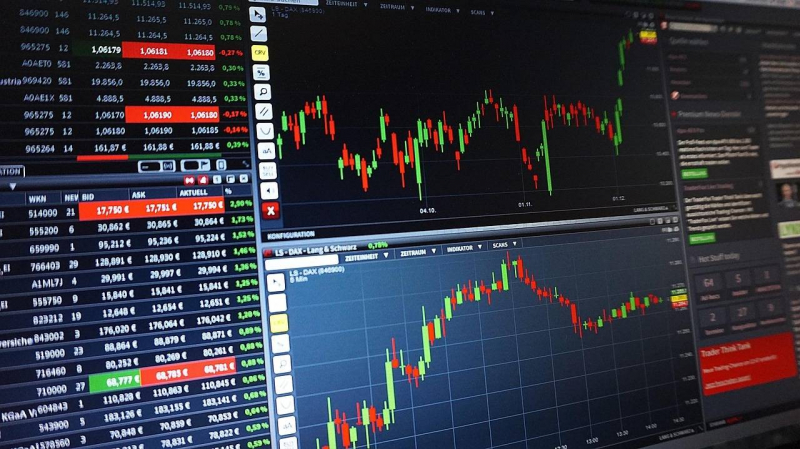
The best software for traders 2026 needs to function as part of a broader trading ecosystem. Just as businesses rely on specialized tools for different functions — order flow software shares complexity with accounting software like QuickBooks or Xero — traders typically use multiple applications that need to communicate effectively.
Most order flow platforms today offer API access and data export capabilities, allowing traders to combine order flow insights with algorithmic execution systems or risk management tools. This integration capability has become standard rather than a premium feature.
Final Tips on Hardware and Data Requirements
Running market analysis tools for traders clearly requires adequate computing resources. Here are the basic requirements, but you can always go higher if you wish:
| Component | Minimum Specification | Purpose |
| Processor | Quad-core CPU | Real-time calculations |
| Memory | 16GB RAM | Multiple charts and indicators |
| Display | Dual monitors | Different timeframes simultaneously |
| Internet | Low-latency connection with backup | Prevent trading disconnections |
These infrastructure requirements are must-have investments beyond the software itself, but they're necessary to avoid technical failures during critical trading moments. After all, the effectiveness of any order flow software depends entirely on the quality and speed of market data it receives.
Post Comment
Be the first to post comment!