Have you ever watched a movie or a short video and thought, how do people actually create something like this?
Filmmaking may look complex from the outside, but once you understand the basic equipment, everything starts to feel clear and practical. You do not need anything fancy to begin.
What you need is clarity about the tools that help you capture visuals, record sound, and shape your story. When you know what each piece of equipment does, you feel more confident and ready to start creating.
Camera: The Heart Of Your Film
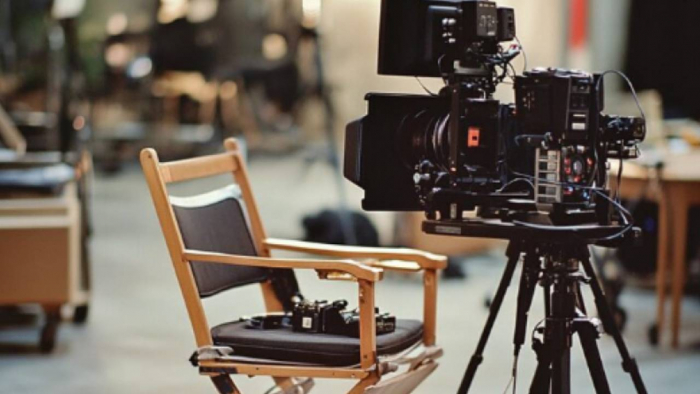
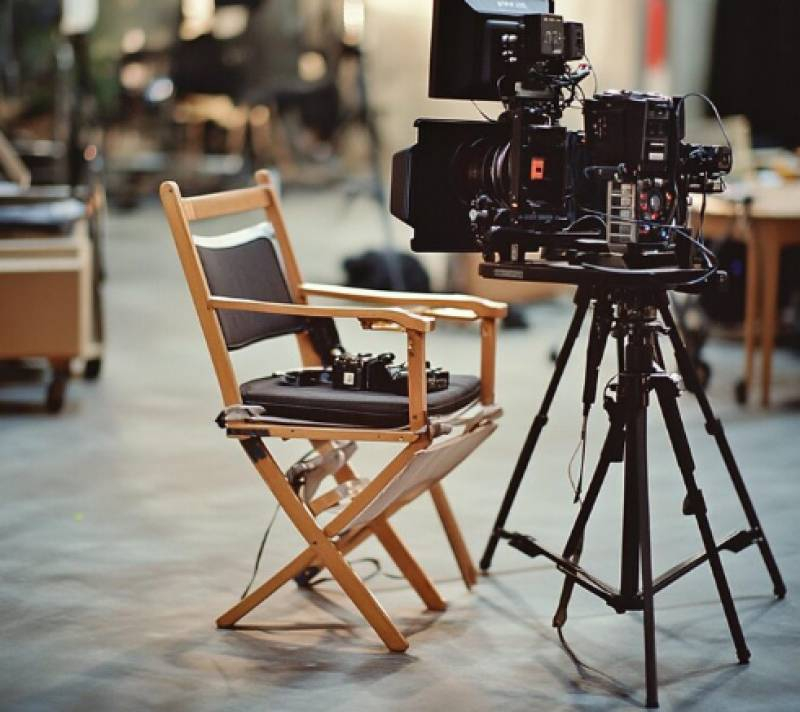
The camera is the main tool in filmmaking. It captures the visuals that tell your story. Before choosing a camera, it helps to understand how it supports your creative idea. A camera records light, colors, and movement, turning them into scenes your audience can see and feel.
Modern cameras come with different features like resolution settings, frame rates, and manual controls. These features allow you to adjust how your video looks.
Types Of Cameras Used In Filmmaking
There are different types of cameras that beginners often use. DSLR and mirrorless cameras are popular because they offer manual control and high-quality visuals.
Camcorders are also simple to operate and suitable for long recordings. Even smartphones today have strong camera systems that can produce clear and sharp footage.
What matters most is how well you understand your camera settings. Learning about ISO, shutter speed, and aperture helps you control brightness and focus in a balanced way.
Lenses: Shaping The Visual Style
A lens plays a big role in how your footage looks. After selecting a camera, understanding lenses adds more control over your scenes.
A lens decides how much of the scene fits in the frame and how subjects appear on screen. Some lenses show a wide area, while others bring distant objects closer.
Common Lens Options For Beginners
Wide-angle lenses are useful when you want to capture landscapes or group shots. Standard lenses give a natural look that feels similar to human vision.
Telephoto lenses help you capture subjects from a distance with clarity. Prime lenses have fixed focal lengths and often provide sharp images.
Zoom lenses allow you to adjust framing without physically moving. Each lens gives a slightly different visual feel, and learning how to use them adds creativity to your filmmaking.
Tripod And Stabilization Tools
Holding a camera by hand can create natural movement, but stabilization tools give a steady and clean look. After understanding cameras and lenses, it becomes clear why stability matters. A stable shot makes your video look polished and comfortable to watch.
Tripods, Gimbals, And Other Supports
A tripod keeps your camera steady during interviews, speeches, or static scenes. It allows you to adjust height and angle easily. Gimbals help maintain smooth motion while walking or moving.
They are useful for dynamic scenes. Monopods provide light support and allow quick movement. Using stabilization tools shows care for visual quality and helps your audience focus on the story.
Microphones: Clear Sound Matters
Visuals are important, but sound brings life to your film. After thinking about the camera setup, it is wise to give equal attention to audio. Clear dialogue and balanced background sound make your content more enjoyable.
Types Of Microphones In Filmmaking
Lavalier microphones are small and clip onto clothing. They work well for interviews and presentations. Shotgun microphones focus on sound coming from a specific direction and are useful during outdoor shoots.
Condenser microphones are often used in indoor settings for voice recording. Using the right microphone helps your audience hear every word clearly.
Many creators who manage projects like rent collection videos for property documentation also focus on clear audio to explain details properly and maintain clarity in communication.
Lighting Equipment: Bringing Scenes To Life
Lighting changes the mood of your video. After setting up your camera and audio, proper lighting completes the setup. Light helps highlight subjects and creates depth in your frame.
Basic Lighting Setup For Beginners
Softbox lights create even and soft illumination. LED panels are easy to adjust and suitable for indoor shoots. Ring lights provide balanced lighting for close-up shots. Reflectors help bounce natural light onto your subject, making scenes brighter.
A simple three-point lighting setup includes a key light, fill light, and backlight. This setup adds dimension and makes your subject stand out naturally.
Audio Recorders And Headphones
Sometimes microphones connect directly to cameras, but external audio recorders offer more flexibility. After recording, headphones help you monitor sound quality.
Why Monitoring Sound Is Important
Audio recorders capture clean sound separately from the camera. This can provide better control during editing. Headphones allow you to listen in real time and adjust levels if needed. Clear monitoring keeps your recording balanced and smooth.
Basic Equipment Overview
Below is a simple table that summarizes the main equipment and its purpose in filmmaking.
| Equipment | Purpose In Filmmaking |
| Camera | Captures video footage |
| Lens | Controls framing and visual style |
| Tripod | Keeps shots stable |
| Microphone | Records clear audio |
| Lighting | Improves brightness and mood |
| Audio Recorder | Captures separate sound |
| Headphones | Monitor sound quality |
Editing Software And Storage
After filming, editing shapes your final result. Editing software allows you to cut clips, adjust colors, and balance sound. Even basic editing programs provide tools to organize footage and create smooth transitions.
Managing Files And Workflow
Storage devices like memory cards and external drives keep your footage safe and organized. Keeping files labeled by project and date saves time during editing. A clear workflow helps you move from shooting to final output smoothly. Planning storage and editing in advance makes the whole process feel organized.
Final Thoughts
Starting filmmaking becomes simple when you understand the basic equipment and how each tool supports your idea. A camera captures visuals, lenses shape the frame, microphones record clear sound, lighting adds warmth, and editing software brings everything together. When you focus on learning these essentials step by step, you build confidence naturally. With patience and practice, these tools turn your ideas into meaningful visual stories that you can proudly share with others.
Post Comment
Be the first to post comment!