In a transformative shift for the digital economy in Latin America, Apple has reached a comprehensive settlement with Brazil’s antitrust watchdog, the Administrative Council for Economic Defense (CADE), to permit third-party app stores and alternative payment systems on its iOS platform. This agreement effectively concludes a contentious three-year investigation into the tech giant’s alleged monopolistic control over software distribution and in-app transactions. Under the terms of the settlement, Apple will fundamentally alter the "walled garden" architecture of its iPhone ecosystem within the country, granting developers and consumers unprecedented flexibility in how they download and pay for digital services.
The resolution stems from a 2022 complaint spearheaded by MercadoLibre, the Uruguay-based e-commerce powerhouse that dominates the Latin American market. The complaint accused Apple of abusing its market position by mandating the use of its proprietary App Store and in-app purchase system, which typically carries commissions between 15% and 30%. By securing this agreement, CADE has positioned Brazil alongside the European Union and Japan as one of the few global jurisdictions successfully forcing Apple to decouple its hardware from its restrictive software commerce rules.
Under the specific mandates of the settlement, Apple is required to allow the operation of rival app marketplaces on iOS devices and must permit developers to integrate third-party payment processing tools directly into their applications. Furthermore, the company must allow "steering," a practice where developers provide external links to their own websites so users can complete purchases at potentially lower prices without paying Apple’s service fees. These changes must be implemented within a strict 105-day window, signaling a rapid transition for the millions of iPhone users across Brazil.
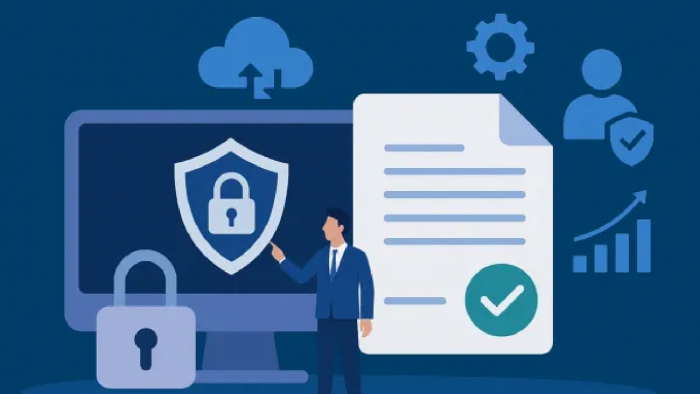
While Apple has agreed to the terms to avoid further litigation, the California-based company maintains a cautious stance regarding the security implications of these mandates. In an official statement, Apple emphasized its commitment to complying with CADE’s requirements but warned that opening the iOS ecosystem inherently introduces new privacy and security risks. The company noted that while it will maintain certain safeguards for younger users and implement objective security warnings, these protections cannot eliminate every threat associated with sideloading software or using unverified payment processors.
Failure to adhere to the agreed-upon timeline or the specific operational requirements could result in significant financial penalties for the tech giant. CADE has established a non-compliance fine of up to 150 million reais (approximately $27.1 million). The settlement is slated to remain in force for at least three years, during which time the regulator will closely monitor Apple's fee structures and technical implementations to ensure that the spirit of open competition is maintained without creating artificial barriers for third-party competitors.
Industry reaction to the news has been largely positive but remains tempered by the complexities of implementation. MercadoLibre acknowledged the settlement as a pivotal victory for competitive fairness but suggested that the agreement only partially addresses the broader systemic imbalances within the mobile app economy. Analysts suggest that the move could trigger a domino effect across other Latin American markets, as regulators in neighboring countries often look to Brazil’s CADE as a benchmark for digital platform governance and antitrust enforcement.
This landmark decision marks the end of a long-standing judicial standoff, with Apple also agreeing to drop its ongoing legal challenges against CADE’s previous preventive measures. As the 105-day countdown begins, the tech industry will be watching closely to see how Apple structures its new commercial terms in Brazil, particularly whether it will introduce new "core technology fees" similar to those implemented in the European Union, which could influence the ultimate cost savings for consumers and profitability for local developers.
Post Comment
Be the first to post comment!