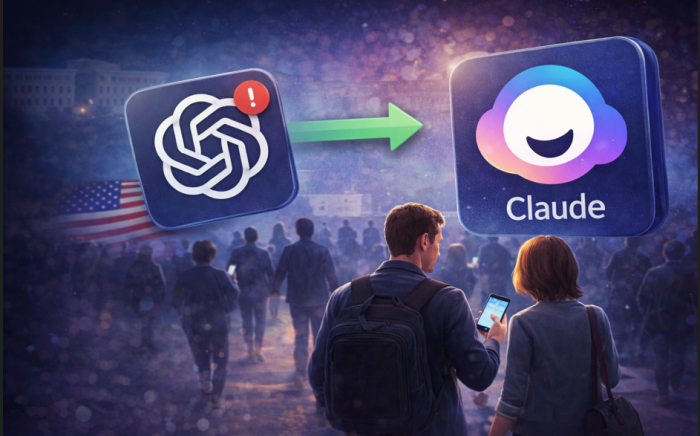
Anthropic says it will challenge the U.S. Department of Defense in court after the Pentagon designated the AI company a “supply-chain risk,” a move that could restrict how its technology is used in defense contracts. The company argues that the decision is legally flawed and far narrower in scope than many headlines suggest.
The dispute reflects a growing tension between artificial intelligence developers and government agencies as AI becomes more deeply connected to national security and military systems.
The Department of Defense recently notified Anthropic that it had been classified as a supply-chain risk. This designation can prevent companies from working directly on Pentagon contracts and can also limit how defense contractors use their technology within military projects.
According to reports, the conflict stems from Anthropic’s refusal to allow its AI systems to be used in certain ways. The company reportedly declined requests that would permit its technology to support mass domestic surveillance or fully autonomous weapons systems without human oversight.
Defense officials wanted access to the AI models for what they described as “all lawful purposes,” but Anthropic maintained that some of those uses conflicted with its internal policies on responsible AI deployment.
The disagreement has now escalated into a potential legal battle.
Anthropic CEO Dario Amodei has described the Pentagon’s designation as legally unsound and said the company plans to challenge the decision in federal court. The case is expected to be filed in Washington.
Amodei argues that the Pentagon’s notice is more limited than many people believe. According to his interpretation, the restriction applies only when Anthropic’s Claude AI model is used as a direct component of a Department of Defense contract.
In other words, the designation does not necessarily prevent companies that work with the Pentagon from using Anthropic’s technology in unrelated commercial projects.
Amodei has also pointed to a legal requirement that the Secretary of Defense use the least restrictive means necessary to protect the supply chain. Anthropic believes the Pentagon’s current action goes beyond what that rule allows.
Despite the headlines, Anthropic says most of its customers will not be affected by the Pentagon’s decision.
According to Amodei, the vast majority of organizations using Claude operate outside defense contracts. Those companies should still be able to use Anthropic’s models normally.
The restriction mainly applies to situations where Claude would be directly embedded in systems delivered under Pentagon contracts.
Anthropic also said it is currently supporting certain U.S. operations connected to Iran. To avoid disrupting those activities, the company plans to continue providing AI models to the Pentagon at nominal cost while defense teams transition to alternative vendors.
At the same time the dispute unfolded, OpenAI signed a new agreement to work with the Department of Defense in place of Anthropic.
The arrangement effectively fills the gap created by Anthropic’s refusal to support certain defense applications. However, the move has reportedly sparked internal criticism within OpenAI from some employees who are uncomfortable with closer military involvement.
The situation highlights how AI companies are navigating complex decisions about government partnerships, national security, and ethical boundaries.
Tensions escalated further after an internal memo written by Amodei was leaked.
In the document, he criticized OpenAI’s cooperation with the Department of Defense and described it as “safety theater.” The memo circulated publicly and intensified debate around the issue.
Amodei later apologized for both the leak and the tone of the memo. He explained that it had been written during a particularly intense moment when several developments occurred at once.
Those developments included a public statement from President Donald Trump, the Pentagon’s supply-chain designation issued by Defense Secretary Pete Hegseth, and the announcement of the OpenAI defense agreement.
Amodei said the message reflected an emotional reaction rather than the company’s official position and described it as an outdated assessment.
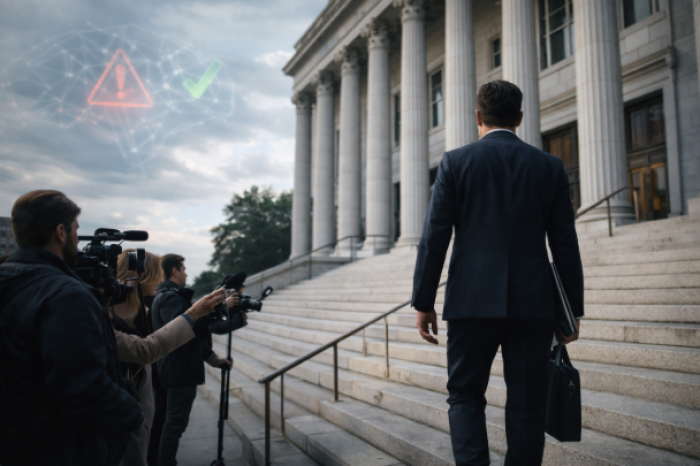
Legal experts say Anthropic faces a difficult battle if it proceeds with a court challenge.
The law governing supply-chain risk designations gives the Department of Defense broad authority to act in the name of national security. Courts have historically been reluctant to overturn decisions made under that authority.
Dean Ball, a former White House adviser on artificial intelligence policy, noted that judges generally avoid second-guessing national security judgments made by defense agencies.
While the legal threshold for overturning the designation is very high, Ball said it is not impossible.
The dispute highlights a broader question facing the technology industry. As AI becomes more powerful, governments are increasingly interested in using it for defense, intelligence, and surveillance purposes.
At the same time, some AI developers are attempting to set limits on how their systems can be used.
Anthropic’s stance against certain military and surveillance applications places it at odds with government agencies that want broad access to emerging technologies.
The outcome of the legal challenge could influence how future AI companies negotiate similar issues with national security agencies.
Anthropic’s planned lawsuit could become one of the first major legal tests of how AI companies interact with government procurement rules and national security policies.
For now, the designation primarily affects the company’s ability to participate directly in Pentagon contracts. Most commercial customers are expected to continue using Anthropic’s Claude models without disruption.
However, the dispute underscores the growing complexity of the relationship between artificial intelligence developers and government institutions as AI becomes a central part of global technology infrastructure.
Be the first to post comment!