AMD has introduced Helios, a new rack-scale artificial intelligence infrastructure platform designed to compete directly with Nvidia in the rapidly expanding market for advanced AI computing.
The company presented the system during its Advancing AI conference in San Francisco, where AMD Chair and CEO Lisa Su described Helios as a high-performance platform built for training and running some of the world’s most demanding AI models.
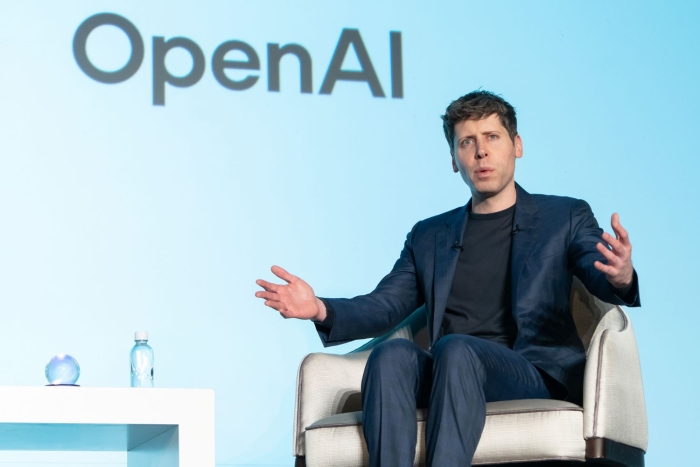
AMD plans to begin shipping Helios-based systems to customers in the second half of 2026. The platform has already attracted interest from major technology and AI companies, including Microsoft, OpenAI, Meta and Oracle.
Helios combines 72 AMD Instinct MI455X graphics processing units with sixth-generation AMD EPYC processors, previously known by the codename Venice. The system also includes AMD Pensando networking technology and the company’s ROCm software platform.
Rather than operating as a collection of separate servers, the hardware is designed to function as a single integrated computing system. This allows AI developers and cloud providers to process large models across an entire rack while improving communication between processors.
The platform offers up to 2.9 exaflops of FP4 computing performance and 1.4 exaflops of FP8 performance. It also includes 31 terabytes of HBM4 memory and 260 terabytes per second of scale-up bandwidth.
These specifications are aimed at frontier AI workloads, including large-scale model training, high-volume inference and agent-based AI systems that must complete multiple reasoning steps and access external tools or data.
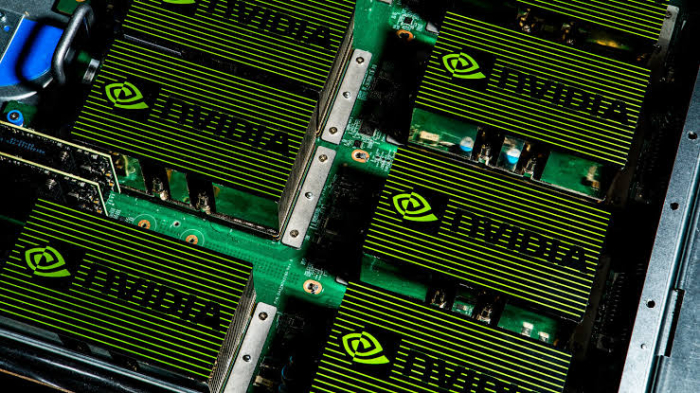
Nvidia has established a strong position in AI infrastructure through platforms such as Grace Blackwell and Vera Rubin. These rack-scale systems combine Nvidia processors, networking equipment and software into tightly integrated platforms for data centers.
AMD is attempting to challenge that position by offering an alternative built around open industry standards.
According to AMD’s internal comparisons, Helios is designed to provide up to 15 percent more AI computing performance, 50 percent more high-bandwidth memory capacity and 50 percent more scale-out bandwidth than Nvidia’s Vera Rubin NVL72 platform.
The figures are based on theoretical performance calculations, and real-world results will depend on system configurations, software optimization and the workloads being processed.
AMD’s open architecture could become an important selling point for cloud providers and AI companies seeking greater flexibility. Helios supports standards developed through organizations including the Open Compute Project, UALink and the Ultra Ethernet Consortium.
Microsoft plans to deploy Helios within its Azure infrastructure to support frontier-model inference, Azure AI services and workloads operated by its cloud customers.
OpenAI expects to begin bringing Helios systems online during the fourth quarter of 2026, with deployments increasing through 2027. AMD and OpenAI previously announced a broader agreement involving the deployment of several gigawatts of AMD graphics processors.
Meta is also testing and validating workloads on Helios as part of its plans for large-scale AMD infrastructure. The two companies have been working together on rack designs and software optimization for Meta’s AI workloads.
AMD has also formed a strategic partnership with Anthropic involving the planned deployment of up to two gigawatts of AMD Instinct GPUs through Helios systems. The first gigawatt-scale deployment is expected to begin during the first half of 2027.
The Helios launch comes as technology companies invest heavily in data centers capable of training and operating increasingly complex AI systems.
Su said the growth of agent-based AI is creating a major increase in computing requirements. Unlike basic AI applications that may produce a single response, AI agents can perform dozens of steps, call software tools, search databases and repeatedly evaluate their progress before completing a task.
AMD estimates that the global market for AI accelerators could reach approximately $1.4 trillion by 2030. The company expects graphics processors to account for most of that market because AI models and algorithms are still evolving and require flexible, programmable computing hardware.
Helios represents AMD’s most ambitious effort to compete at the level of complete AI systems rather than individual processors. Its success will depend on whether AMD can deliver the hardware on schedule, expand ROCm software support and demonstrate competitive performance across real-world AI workloads.
With several major customers preparing deployments, Helios could give cloud providers and AI developers a credible alternative to Nvidia as demand for large-scale computing infrastructure continues to accelerate.
Share your thoughts about this article.
Be the first to post a comment!