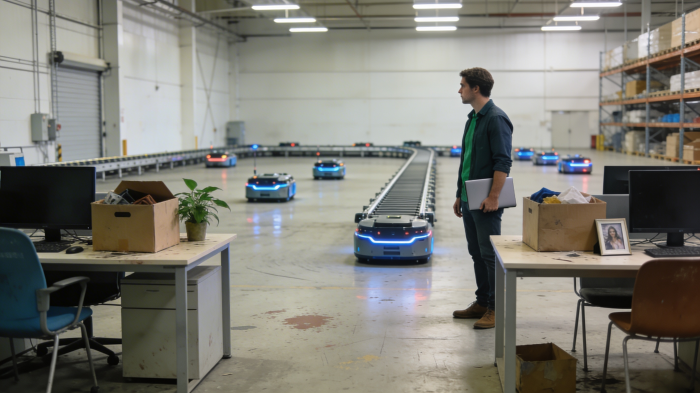
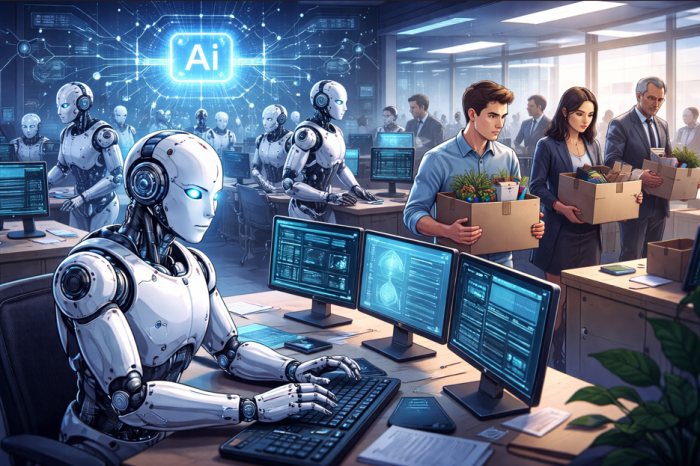
Amazon has eliminated more than 100 white collar roles in its robotics division as part of a broader wave of layoffs tied to cost reductions and increasing use of artificial intelligence to improve productivity.
The move reflects a larger restructuring effort at the company as it continues investing heavily in AI infrastructure while trimming certain corporate and operational positions.
According to an internal message sent to employees, Amazon Robotics Vice President Scott Dresser confirmed that more than 100 jobs were removed from the robotics team. Dresser described the decision as difficult but said the changes were necessary as the company adjusts its structure.
He emphasized that robotics remains an important strategic focus for Amazon. The company has invested for years in warehouse automation systems that support faster logistics, improved package handling, and reduced operational costs.
Despite the layoffs, Amazon plans to continue developing robotics technologies used in fulfillment centers and delivery operations.
The robotics cuts come after two major rounds of layoffs across the company in recent months.
Amazon reduced approximately 16,000 jobs in January 2026. Another round of cuts in October 2025 affected about 14,000 employees. Together, the recent reductions bring the total number of job cuts to roughly 30,000 positions.
These layoffs mainly targeted corporate, technology, and administrative roles rather than frontline warehouse staff.
Amazon has increasingly focused on streamlining operations while shifting resources toward high priority areas such as artificial intelligence, cloud computing, and logistics automation.
Amazon said it reviews its organizational structure regularly to ensure that teams are aligned with long term business priorities.
A company spokesperson stated that these decisions are made carefully and are intended to help Amazon continue delivering innovation and value for customers.
Employees affected by the robotics unit layoffs will receive severance packages along with continued health insurance coverage for a limited period. The company also said it will provide career transition assistance and job placement support.
Amazon's Chief Human Resources Officer Beth Galetti previously said the company does not intend for mass layoffs to become a routine practice. However, she acknowledged that future adjustments cannot be completely ruled out as the business evolves.
While Amazon is cutting some white collar roles, the company is significantly increasing investment in artificial intelligence infrastructure.
Capital spending is expected to reach nearly 200 billion dollars in 2026, compared with about 125 billion dollars in 2025. A large portion of that spending will support data centers, AI computing capacity, and cloud services.
One of the major initiatives driving this investment is Project Rainier, Amazon’s large scale effort to expand AI infrastructure to support both internal technologies and Amazon Web Services customers.
These investments highlight a broader shift in the company’s workforce needs. Amazon is actively hiring for roles related to AI and machine learning engineering, data center operations, and cloud architecture.
The layoffs in robotics and other corporate areas illustrate how large technology companies are adjusting their workforce for the next phase of AI driven growth.
Rather than expanding headcount across all departments, companies like Amazon are reallocating resources toward specialized technical roles.
Experts say this shift reflects the growing importance of AI systems, automation, and large scale computing infrastructure across the technology industry.
Amazon’s latest job cuts underscore a major transition underway in the tech sector. Even as the company reduces certain white collar roles, it is dramatically expanding investment in artificial intelligence and cloud infrastructure.
The strategy signals a broader industry trend. Companies are restructuring their workforce to prioritize AI development, automation technologies, and the infrastructure required to power the next generation of digital services.
Be the first to post comment!