Staying productive today means capturing information quickly. Millions of busy office workers are shifting away from manual typing to automated solutions. But as you look for the best AI note taker, a major debate arises: should you choose an app or a hardware device?
The choice between hardware vs. software solutions is not always simple. Both options promise to save you time, yet they work in completely different ways. Finding the right fit depends heavily on your daily routine and environment.
This guide breaks down the core differences to help you make the right decision. Read on to find out which tool will upgrade your workflow.
Hardware vs. Software AI Note Takers: What’s the Difference
Software AI note-takers are applications or cloud bots that join your virtual meetings. They connect directly to platforms like Zoom, Google Meet, or Microsoft Teams to record and summarize audio. They are great for remote workers who spend their entire day sitting in front of a computer screen.
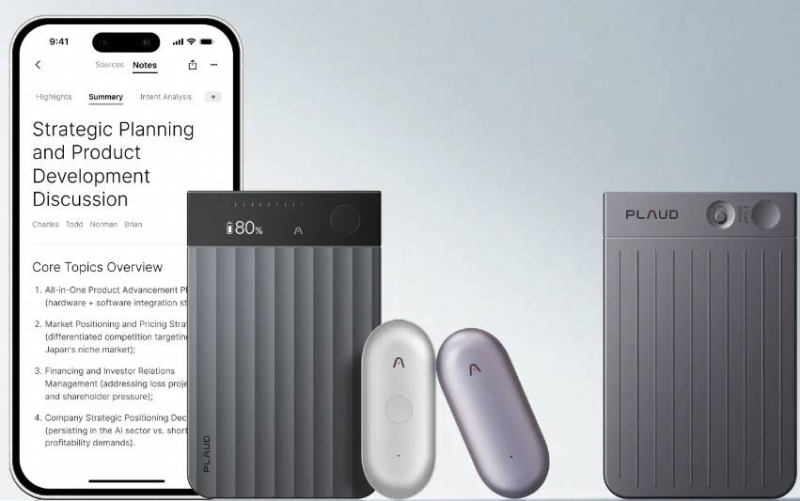
Hardware AI note-takers are dedicated physical gadgets designed solely to capture clear, real-world audio. These tools, like Plaud Note Pro, record in-person meetings and phone calls with one click, and then sync with cloud apps to generate highly accurate transcripts.
| Comparison Metric | Software AI Note Takers | Hardware AI Note Takers |
| Best For | Remote workers and virtual Zoom/Teams meetings | In-person meetings, interviews, and phone calls |
| Setup Friction | High (must invite bots or open apps manually) | Low (instant one-touch physical button) |
| Audio Source | System audio or standard laptop microphones | Premium built-in multi-microphone arrays |
| Offline Ability | None (requires a stable internet connection) | High (records offline and syncs data later) |
| Data Privacy | Lower (data passes through third-party platform bots) | Higher (device-level storage and secure encryption) |
| Phone Call Recording | Relatively difficult or requires clunky workarounds | Seamless (built-in hardware call recording switches) |
How to Choose the Best AI Note Taker for Your Workflow
Every professional has different daily habits, so there is no single tool that fits everyone. To find the best AI note taker, you must look closely at where your conversations actually happen. Interestingly, cutting-edge hybrid options from brands like Plaud are now blurring these lines completely.
To choose the perfect match for your specific job, follow these three steps:
Step 1: Analyze Your Primary Meeting Environment
If 90% of your work happens on remote video calls, software bots are highly efficient. However, if you travel often, meet clients at coffee shops, or attend live seminars, a software app will fail. Hardware is necessary whenever you step away from your desk.
Step 2: Evaluate Your Need for Phone Call Recording
Recording phone calls on modern smartphones is incredibly difficult due to software restrictions. If your sales leads or legal consults happen over standard cellular calls, software apps cannot help you. You need a dedicated hardware device that captures physical sound vibrations directly.
Step 3: Assess Your Company's Data Security Rules
Many corporations ban external software bots from entering internal virtual rooms due to data leaks. Hardware devices give you total control over when you record. They store your data safely on the device before uploading it to secure, encrypted cloud servers.
| Scenario | Best Choice |
| Heavy meetings & calls | Hardware AI note taker |
| Online-only work | Software AI note taker |
| Mixed workflow | Hybrid solution |
| High privacy needs | Hardware-focused tool |
Why Hybrid AI Note-Taking Solutions Are Gaining Popularity
Hybrid AI note takers are becoming more popular because they solve the limitations of both hardware and software. Hardware alone is strong in recording but weak in smart organization, while software alone often depends on stable devices and a constant internet connection. This gap creates massive frustration in real-world work situations.
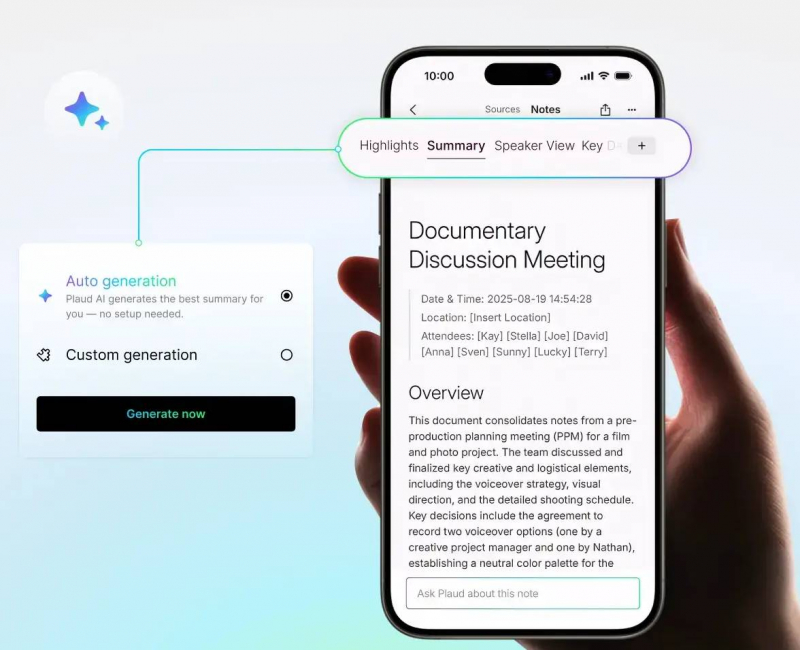
Hybrid systems combine both sides by using premium hardware to capture voice in a highly stable way. Then, advanced software processes that data into summaries, insights, and searchable notes. This creates a much smoother, distraction-free workflow for busy professionals.
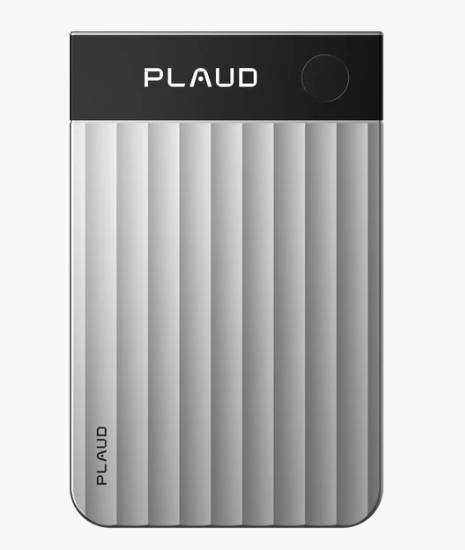
For example, the Plaud Note Pro, a physical AI note taker and AI voice recorder, uses 4 MEMS and one VPU microphone to capture local audio or phone calls. The data then syncs with its application to deliver accurate 112-language transcription and multi-perspective summaries under enterprise-grade security standards like GDPR and SOC II.
In Conclusion
Choosing between hardware and software is about matching your tool to your lifestyle. Software offers great convenience for digital-first workers who live inside web browsers. Meanwhile, dedicated hardware brings unmatched reliability, privacy, and versatility to face-to-face business environments.
If you want the ultimate workflow, look toward modern hybrid ecosystems. By combining physical recording control with cloud intelligence, you ensure that no brilliant idea or critical meeting action item ever slips away again.
Post Comment
Share your thoughts about this article.
Be the first to post a comment!